
PRODUCTS

What Is A Zipper Pouch?
A Zipper Pouch is a flexible package with an integrated, reclosable fastening system. Its body may be made from a single film or several bonded layers, while its zipper typically uses interlocking plastic profiles. Depending on the design, it can lie flat, stand on a bottom gusset or expand at the sides. An initial heat seal above the zipper may provide evidence of opening and protect the contents before first use.
The zipper and the pouch body perform different jobs. The body and its seals provide the main physical and barrier properties; the zipper allows the user to open and close the package repeatedly. A closed zipper should not automatically be treated as a hermetic seal. Dust, wrinkles, incomplete engagement or deformation can leave a leakage path, so performance must be checked with the actual product and intended handling conditions.
There is no single universal specification for every zipper pouch. Buyers should define the contents, fill weight, dimensions, material structure, closure requirements and distribution environment before requesting a quotation. Requirements may also include printing, traceability, food-contact documentation or local labeling. A clear specification makes samples easier to compare and helps prevent a low unit price from masking poor fit or avoidable production losses.
How Sizes And Formats Affect Capacity
Common formats include flat pouches for compact or low-volume contents, stand-up pouches with bottom gussets for shelf presentation, and side-gusseted designs for products that benefit from additional depth. Some formats use a slider, while others use press-to-close profiles. A pouch that looks large from the front can still have limited usable capacity because seals, gusset geometry and the zipper reduce the available internal space.
Specify dimensions consistently: identify whether measurements are external or internal, and state the pouch opening, height and gusset depth using the supplier's measurement convention. Note whether height includes the area above the zipper. The usable filling opening is usually narrower than the outside measurement because of side seals. Confirm the required clearance for the filling nozzle, product flow and final seal rather than relying on nominal size alone.
Capacity depends on bulk density, particle shape and how the product settles, not just on a pouch's advertised volume. Fluffy powders, irregular pieces and liquids with foam can each require different headspace. Fill representative samples at the target weight, allow normal settling and check that the zipper area remains clean. Then verify that the pouch can be sealed, handled and packed into its shipping case without excessive strain.
How Closures And Seals Work
A press-to-close zipper uses matching profiles that engage when pressed together. It can be a practical choice for many dry goods, but users need to align and close the profiles along the full opening. A slider moves along the track to help engage and disengage the closure; it adds a component and may influence cost, package height and recyclability. Compare ease of opening with the retention force required for the application.
The initial seal is normally formed by applying controlled heat, pressure and dwell time to compatible sealing layers. The acceptable settings depend on the film, equipment and line speed. Too little sealing energy can produce weak joints; too much can distort the film or damage the closure. Verify both the top seal and the areas where the zipper meets the side seals, because changes in material thickness can make those intersections difficult to seal consistently.
Select a closure for realistic use, not only for the first opening. Fine powders may lodge in the profiles, oily residues may affect handling, and sharp or heavy contents can put stress on the pouch and zipper ends. Test repeated opening and closing with the filled product, including checks for visible damage and relevant leakage. Add a tear notch or other opening feature only after confirming that it does not compromise seal integrity.
Match Materials To Product Requirements
Material selection starts with the product's sensitivity to moisture, oxygen, light, aroma loss and contamination. Polyethylene or polypropylene films may suit applications with modest barrier needs, while multilayer structures can combine sealing, stiffness and higher barrier properties. Metallized or foil-containing layers may improve protection against certain exposure conditions, but they can affect transparency, flex behavior and end-of-life options. Request relevant barrier data for the complete structure and confirm the test conditions.
For food, supplements or personal care products, assess the entire contact system, including the inner film, inks, adhesives and zipper components where relevant. Obtain supplier documentation appropriate to the destination market, food type, contact time and temperature. Do not assume that a general food-contact statement covers hot filling, freezing, high-fat products or long storage. Product-specific compatibility and shelf-life studies remain the responsibility of the brand owner and its qualified partners.
Nonfood products also need compatibility checks. Detergents, fragrances, solvents or oily formulations may interact with films, seals or printing; hardware and granular products can puncture or abrade the package. Consider temperature changes in warehousing and transport, as well as the expected number of consumer openings. Use filled-pack trials to assess odor transfer, deformation, leakage and appearance over a representative storage period before approving a structure.
Applications And Market Requirements
A Zipper Pouch can serve food brands packing snacks, ingredients or dry mixes; manufacturers supplying pet products or household refills; and distributors organizing small components. Each application has a different priority. Snacks may need oxygen and moisture control, refills may need clean dispensing and chemical compatibility, and components may need puncture resistance and clear identification. The right format follows the product and distribution system rather than a generic industry template.
For cross-border sourcing, identify the destination market and intended use before finalizing artwork or materials. Applicable rules can cover food-contact materials, packaging composition, labeling, extended producer responsibility and disposal claims. Requirements vary by jurisdiction and can change, so request current, application-specific declarations and have qualified advisers verify the finished pack. A recycling symbol or material name alone does not establish that a pouch is accepted by a local collection program.
Pactek operates in packaging materials and can be approached with a defined pouch brief for a specification discussion. Share the product type, target fill, required format, barrier needs, destination markets and expected order volume, then ask which available materials and zipper options are suitable. Request samples and supporting documentation before selecting a product. Specific Pactek models, certifications and performance advantages should be confirmed directly rather than assumed.
Manufacturing And Quality Control
Depending on the structure, pouch production can involve film extrusion, printing, lamination, curing, slitting, zipper application and pouch forming. Not every product requires every step. The converter then forms side and bottom seals as appropriate and checks dimensions and appearance. Ask suppliers to explain which operations apply to the proposed construction, where the zipper is attached and how they control changes between approved samples and production lots.
A practical inspection plan covers film and print appearance, pouch dimensions, seal consistency, zipper alignment and closure function. Depending on the product and risk, it may also include seal-strength, burst, leak, drop or barrier testing. Agree on test methods, sampling frequency and acceptance criteria before ordering; results obtained by different methods are not necessarily comparable. For shelf-life claims, validate the filled package under relevant storage conditions rather than relying only on film data.
Run the approved pouch on the actual filling line before committing to a large order. Check opening behavior, filling speed, dust buildup, zipper cleanliness, heat-seal settings and case packing. Record rejects and their causes, then adjust equipment or specifications with the supplier. Retain an approved reference sample and document material, artwork and dimensional tolerances so that future batches can be evaluated against an agreed baseline.
Procurement Costs And Future Trends
The purchase price of a zipper pouch reflects film structure, dimensions, zipper type, printing, order quantity and conversion complexity. Tooling or artwork setup, freight, duties, storage and minimum order quantities can materially change the delivered cost. Compare quotations on the same basis: usable dimensions, material specification, print coverage, quantity, tolerances and delivery terms. A cheaper pouch may be more expensive in practice if it increases line stoppages, rejects or product damage.
Estimate total cost using expected pouch consumption, filling losses, transport damage and the cost of any required testing or compliance work. For an investment comparison, calculate the difference in annual packaging and operating costs between qualified alternatives, then account for any one-time equipment or validation expense. Treat savings as estimates until production data supports them, and consider product protection and customer usability alongside the financial calculation.
Developments include structures designed for established recycling streams, reduced material use and improved barrier performance with fewer material types. Their suitability depends on local collection infrastructure, zipper composition, printing and the protection needed throughout shelf life. Review specifications when products, regulations, filling equipment or destination markets change. Before switching materials, repeat compatibility, seal and distribution trials so that environmental goals do not inadvertently increase product waste.
![]() Why won't my zipper pouch close properly?Zipper Pouch not closing properly? Discover common causes, easy cleaning and alignment tips, and when to replace the pouch to protect your products.
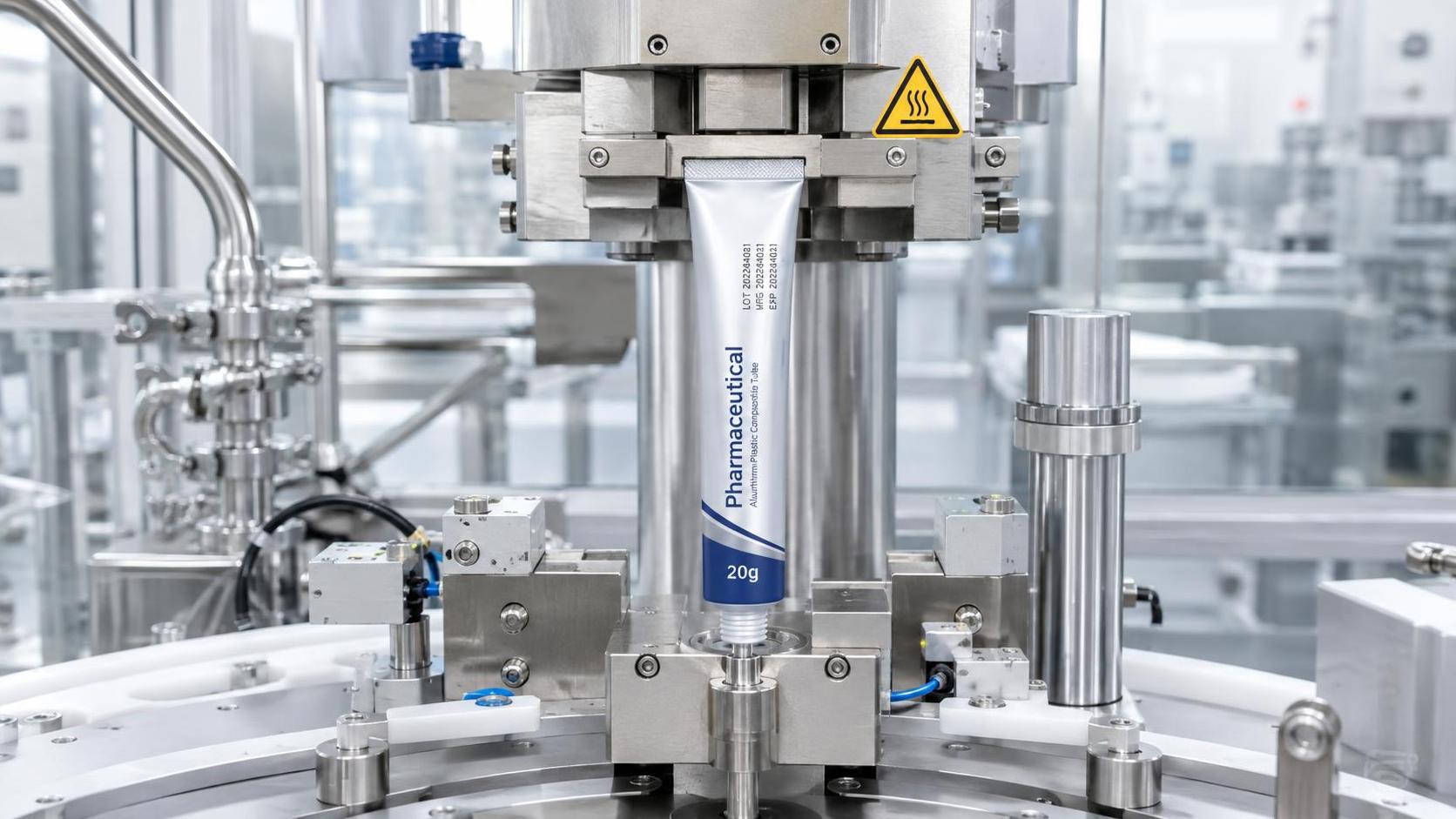
 How to choose a Pharmaceutical Tube for liquid medicinesChoose the right Pharmaceutical Tube for liquid medicines with expert guidance on barrier protection, compatibility, dispensing control, closure safety, and filling performance.
 How to prevent leakage from a Pharmaceutical Tube during fillingPharmaceutical Tube leakage during filling? Discover practical ways to control nozzle alignment, fill volume, seal cleanliness, pressure, and sealing parameters for reliable packs.
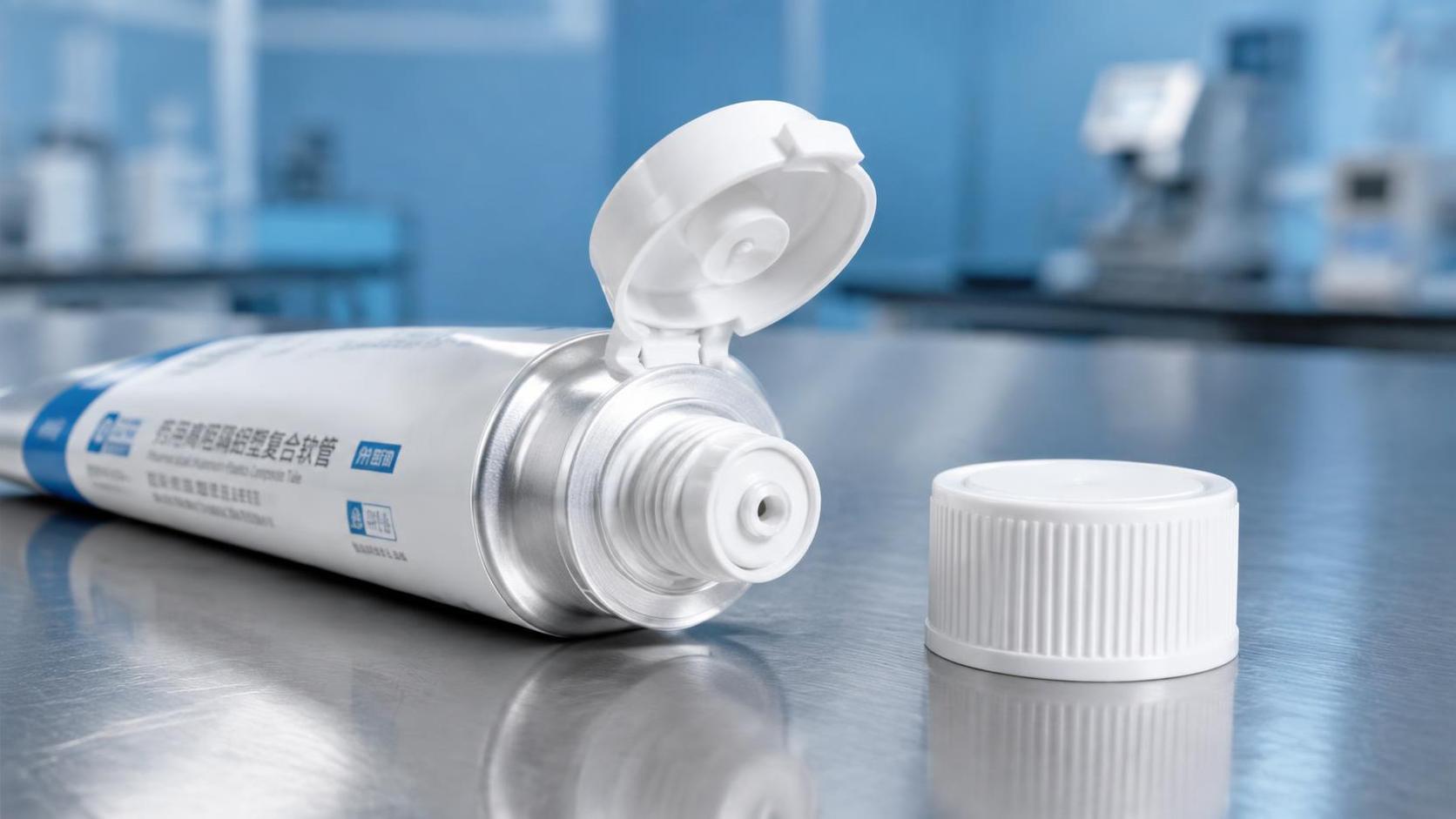
 How does closure design affect Pharmaceutical Tube usability?Pharmaceutical Tube closure design affects opening torque, resealing, tamper evidence, and dosing precision. Explore practical tips for safer, user-friendly packaging.


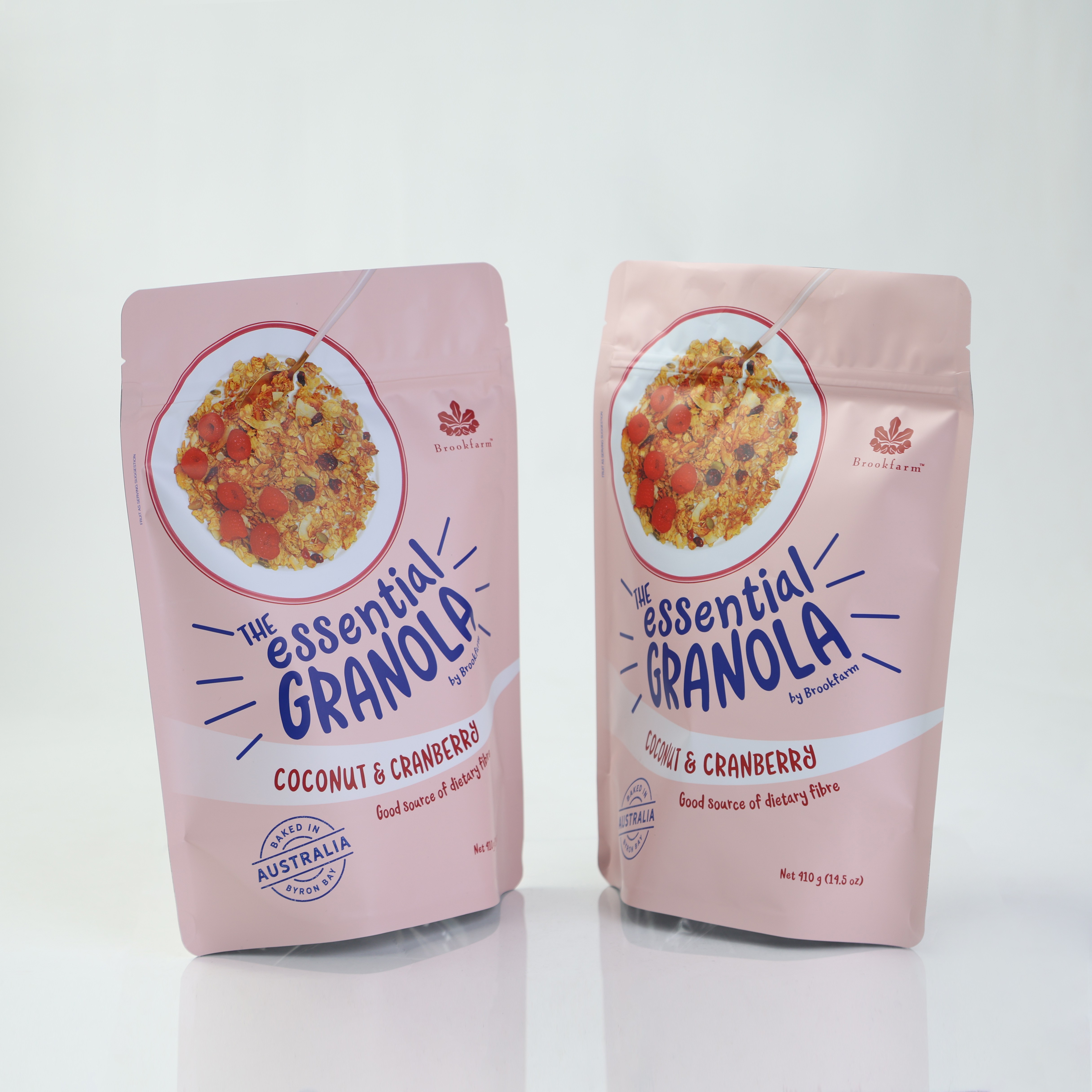
 Stand-Up Laminate Zipper Pouch Packaging For Mixed Nut FoodGive your nut-based snack range a competitive edge with our high-performance Stand-Up Laminate Pouch, built to merge practical function with eye-catching visual appeal. Specially developed for mixed nuts and trail mix goods, this packaging solution adopts heavy-duty multi-layer laminate construction (e.g., PET/AL/CPP or NY/PE), delivering solid shielding against moisture, oxygen and light. Available across sizes ranging from 150g to 2kg, this vertical-style pouch comes with strengthened gusseted base to deliver stable support, letting packages sit firmly on retail shelves or countertop surfaces.
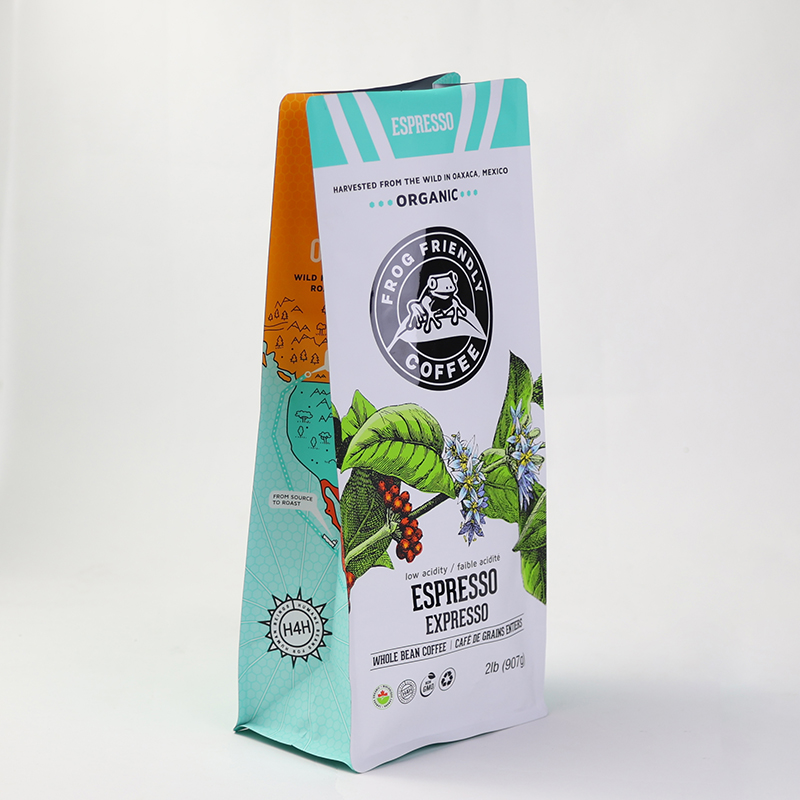
 Stand-Up Laminate Pouch With Breather Valve For Coffee BeanEngineered to safeguard the rich aroma and fresh character of premium coffee beans, our Stand Up Laminate Pouch merges practical packaging performance with contemporary, eye catching styling. It is constructed from high barrier multi layer laminate materials. A tough outer layer delivers strong tear resistant performance, while the inner lining blocks moisture, light and oxygen effectively. The innovative one way degassing valve (breather valve) is neatly integrated near the top section of the pouch. It permits carbon dioxide to flow outwards, while preventing outside air from getting inside and degrading bean quality.
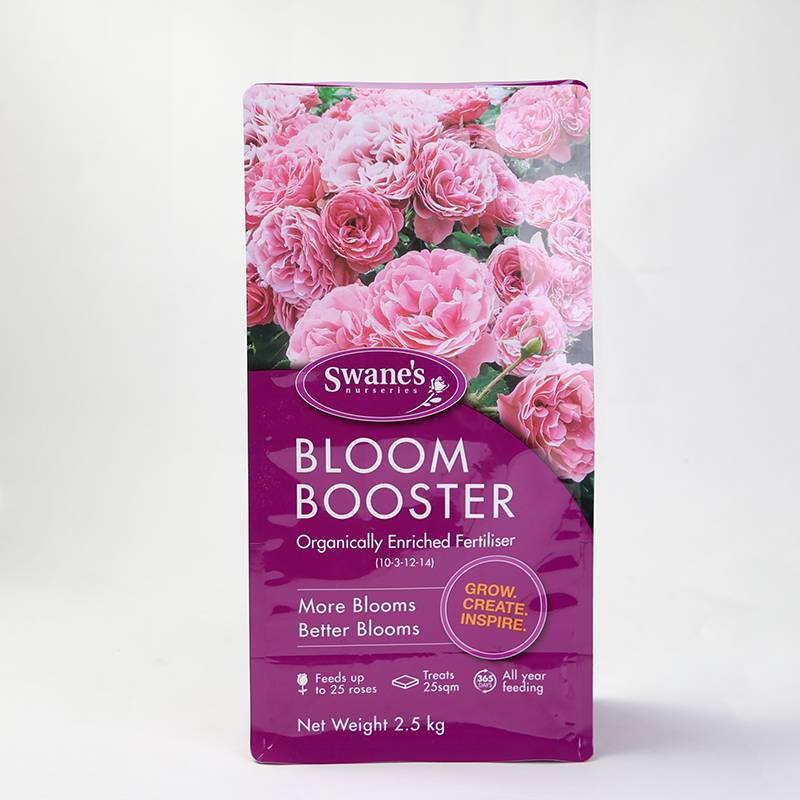
 Stand-Up Laminate Pouch Packaging for Household FertilizerOur Stand-Up Laminate Pouch delivers high-end packaging performance specially developed for household fertilizer items, merging practical performance with human-centered design concepts. Built with sophisticated multi-layer laminated materials, this pouch delivers outstanding sturdiness and reliable product safeguarding. Its outer layer adopts high-tensile polyester film to resist tearing. The middle aluminum foil barrier keeps moisture, UV rays and outside pollutants out. The inner food-grade polyethylene layer secures product safety and stops liquid or powder leakage.
Professional Service
Interested? Leave your contact details.
Search Starts Here