
‹
›
OEM Service Process
Complete the cooperation in four simple steps, with a professional team providing full support throughout the process.
Confirmation of product type, specifications, quantity, and special requirements
Provide a complete solution and detailed quotation
Make samples and adjust them to satisfaction
Mass production delivery based on confirmed samples
Product Detail
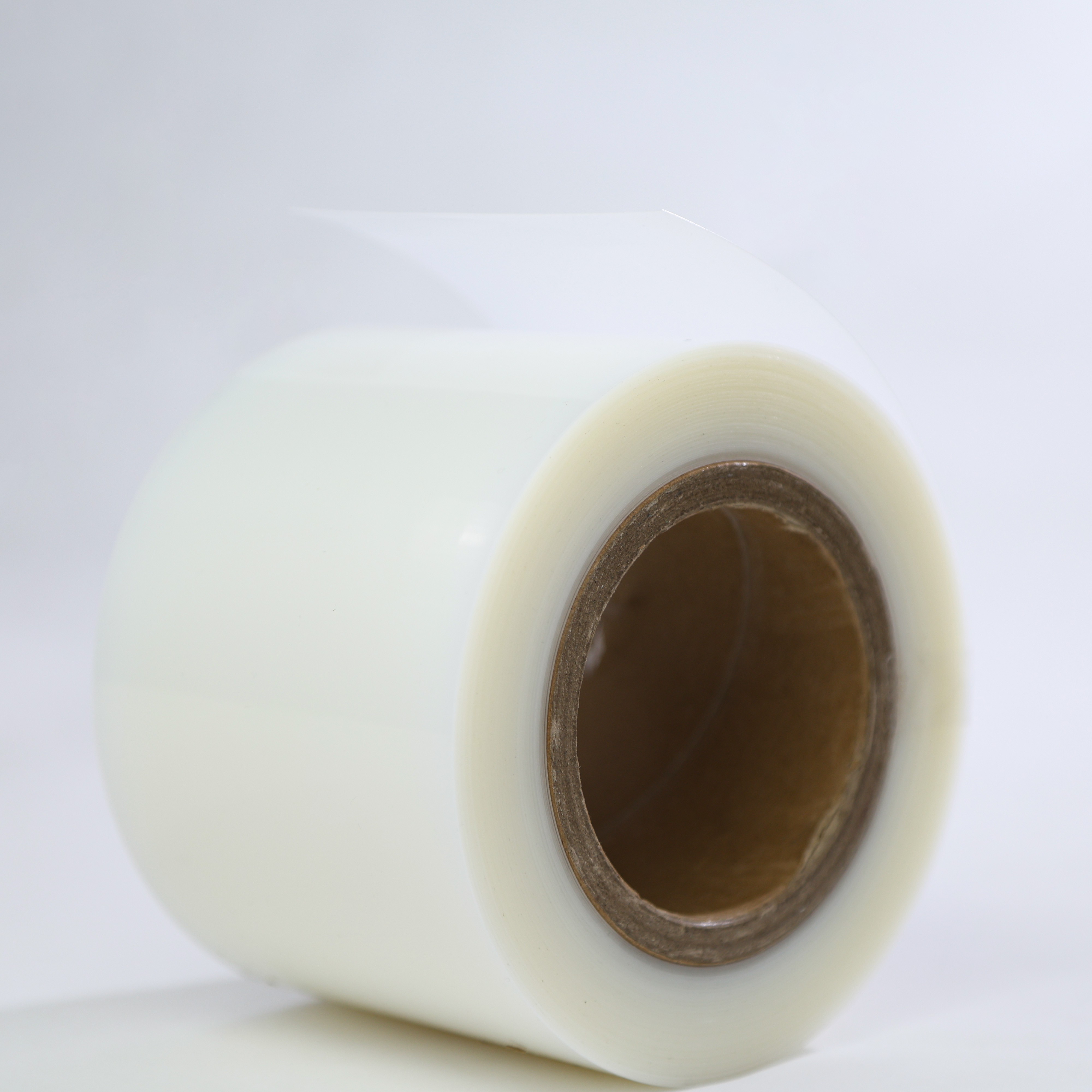
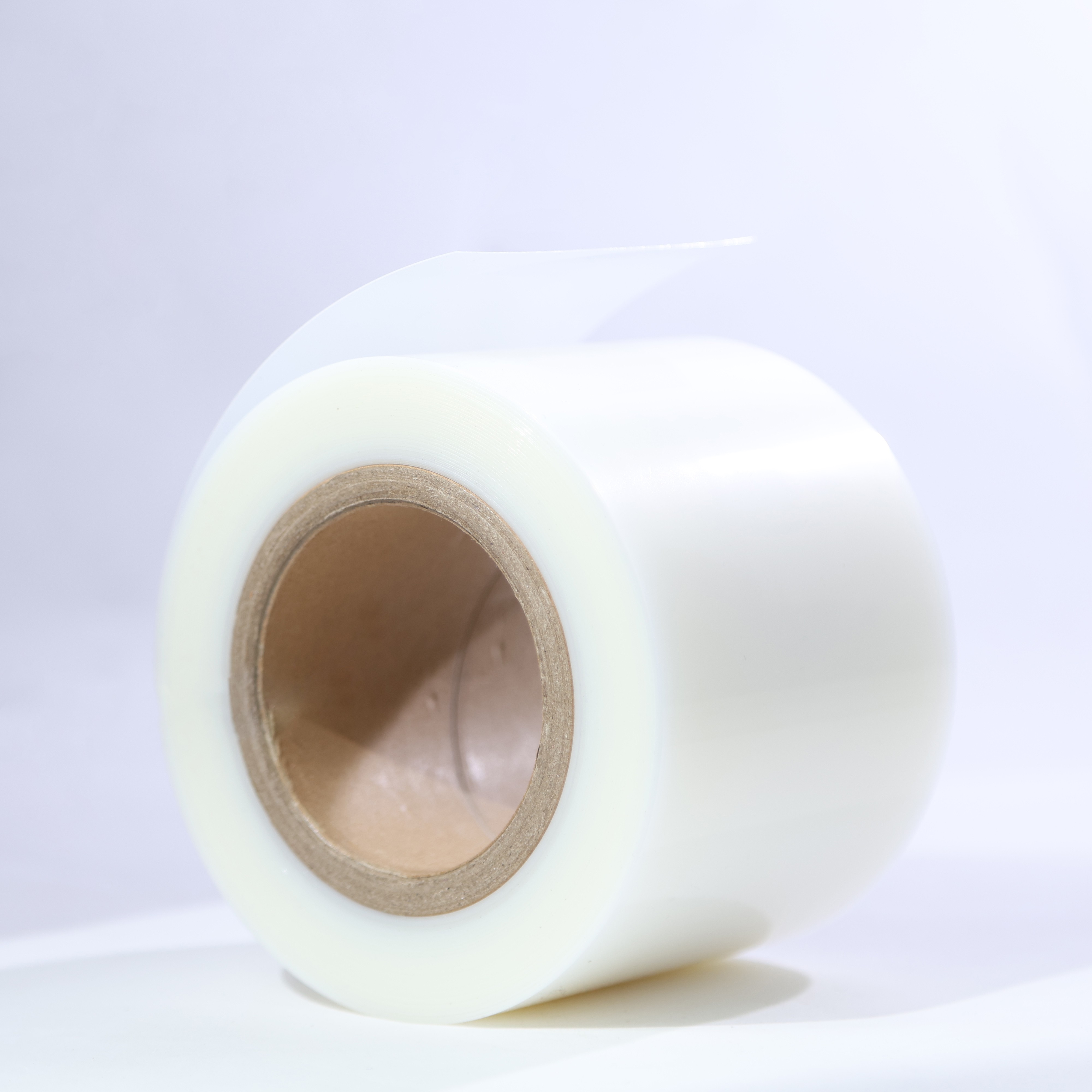
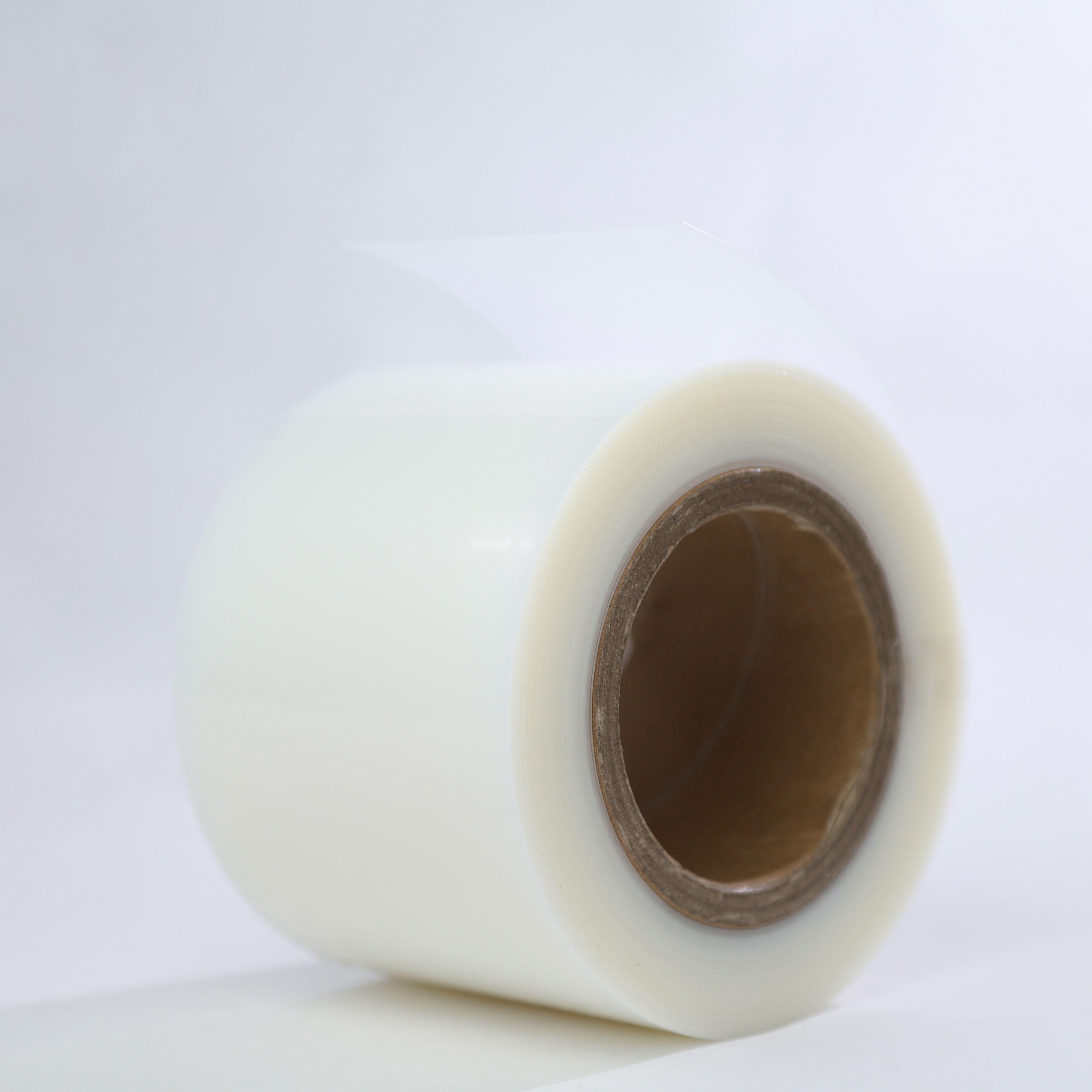
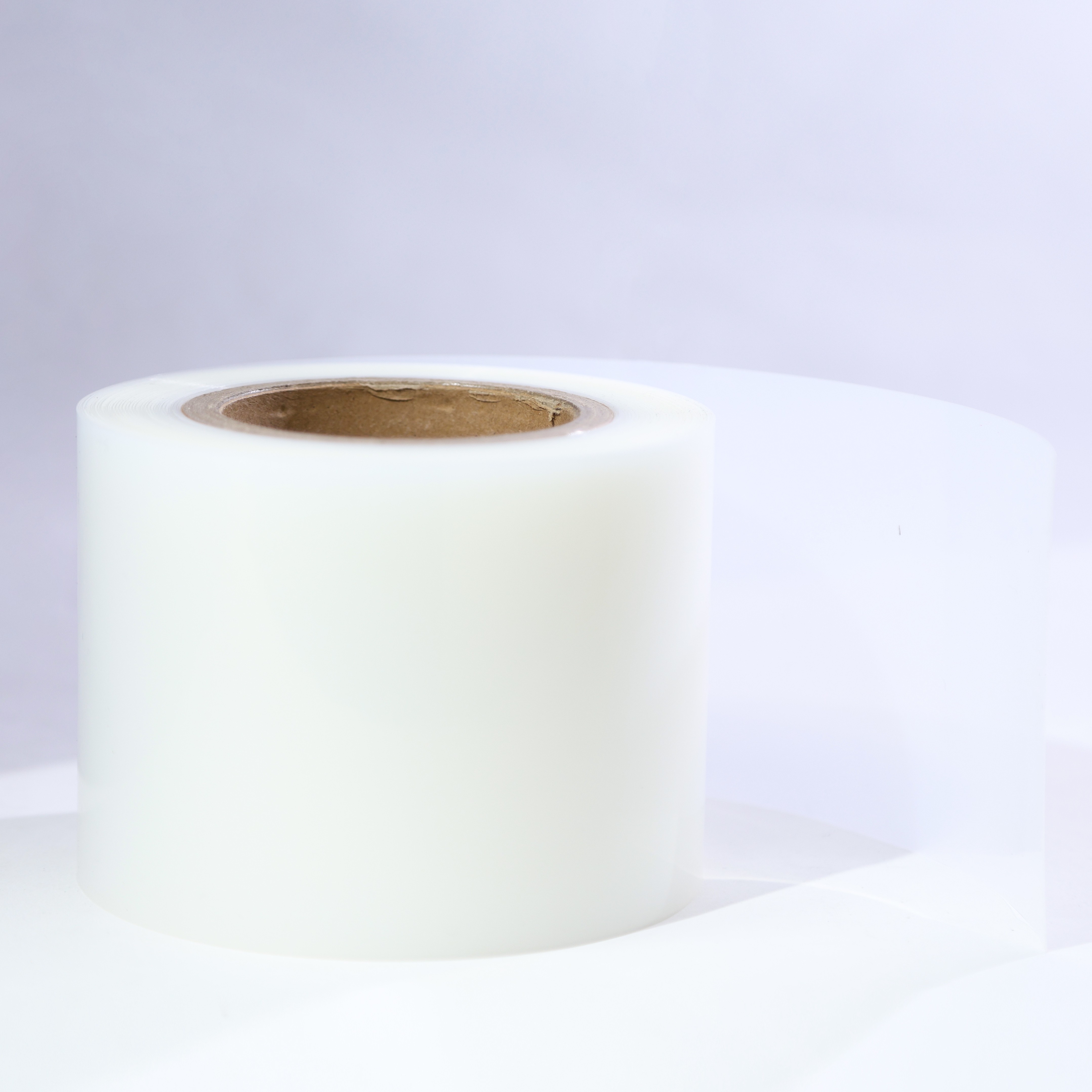
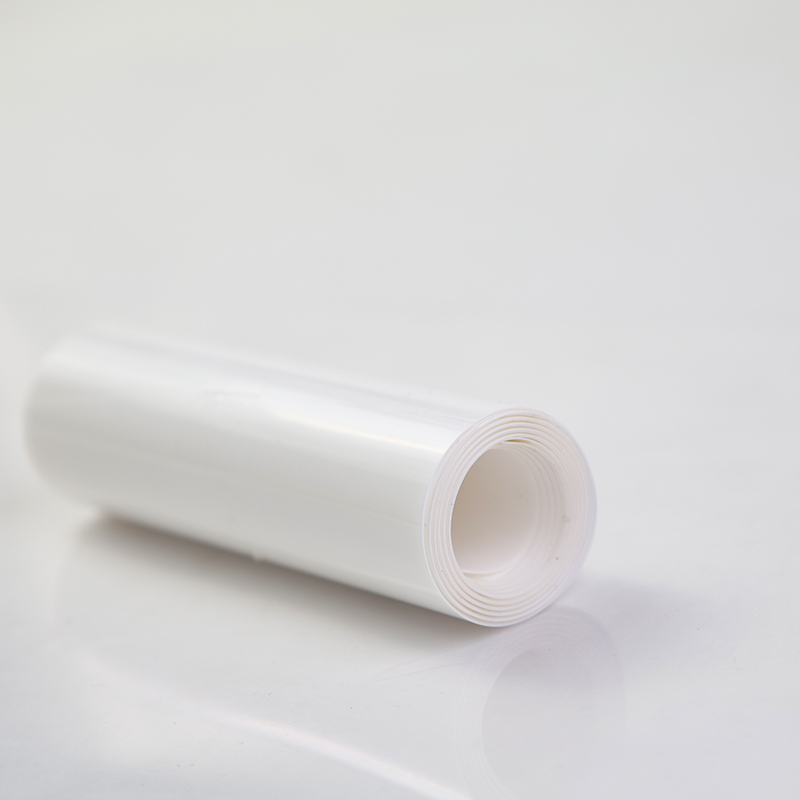
APL‑Transparent is a transparent composite packaging web manufactured via multi‑layer co‑extrusion technology, formulated without the addition of EVOH (ethylene‑vinyl alcohol copolymer) in its material system. The structure is predominantly composed of polyolefin materials (PE/PP) as its primary functional layers. The product is engineered on the principle of delivering moderate moisture protection while achieving superior recyclability through an all‑plastic architecture, offering brand owners a practical pathway that reconciles packaging performance with environmental responsibility.
Total thickness is configurable within a range of 250 μm to 425 μm, with web width fully customisable per customer requirements. In terms of appearance, APL‑Transparent maintains the inherent clarity of the substrate, allowing end‑packaging to clearly display the colour, form, and texture of the contents—making it particularly suitable for products whose visual appeal serves as a primary selling point. The material supports a comprehensive suite of decoration processes, including letterpress, flexographic, screen, rotogravure, and hot/cold foil stamping, enabling brand expression while preserving transparency.
Features
Barrier Performance and Structural Attributes
The barrier functionality of APL‑Transparent is primarily derived from the intrinsic properties of polyolefin materials, with PE serving as the principal component. Although the formulation does not incorporate EVOH—a conventional high‑barrier resin—the synergistic action of functional layers within the multi‑ply co‑extruded structure still delivers reliable moisture resistance, effectively retarding product degradation caused by moisture ingress. For categories such as dry foods, semi‑liquid condiments, and personal care products, this level of protection adequately meets preservation requirements over standard shelf‑life periods.
In terms of heat‑seal performance, APL‑Transparent employs a PE‑based sealant layer characterised by a low heat‑seal initiation temperature (in the range of 110 °C to 130 °C) . This attribute yields three process benefits: first, reduced thermal energy consumption during sealing, contributing to lower carbon emissions at the conversion stage; second, consistent seal strength achieved at lower temperatures, minimising the risk of heat‑induced film degradation; and third, a broad sealing window that accommodates process parameter variations in tube‑forming and filling equipment.
Mechanical Performance and Process Compatibility
APL‑Transparent offers substantial structural advantages in the sustainability dimension. Free from aluminium foil or other non‑fusible barrier components, the product can be configured as a mono‑polyolefin system (e.g., all‑PE or all‑PP architecture) , thereby achieving excellent recognisability and recyclability within existing plastic recycling streams. Compared with conventional aluminium‑laminated or EVOH‑containing multi‑layer structures, APL‑Transparent eliminates the need for complex layer‑separation processes at the recycling stage, reducing both the technical barriers and economic costs associated with reprocessing.
On the manufacturing front, the material system does not require stringent drying pre‑treatment, allowing for a streamlined production process with significantly improved energy efficiency per unit output. Concurrently, the lightweight design of the material permits reduced wall thickness while maintaining physical performance, thereby lowering resin consumption per unit area and reducing the carbon footprint at the source.
APL‑Transparent demonstrates well‑balanced mechanical strength attributes. The multi‑layer co‑extruded construction imparts excellent tear resistance and puncture resistance, resulting in low material loss during slitting, tension stretching, and high‑speed tube‑forming operations, with consistently high yield rates. The inherent toughness of the material ensures stable performance on automated packaging lines, minimising process defects such as film rupture or cracking.
In terms of printing and downstream process compatibility, APL‑Transparent exhibits broad adaptability across various printing mechanisms and tube‑forming equipment. Whether processed via flexographic, gravure, or letterpress printing, the surface tension and ink anchorage properties meet the requirements for high‑quality graphic reproduction. The material feeds smoothly through tube‑forming machinery, with straightforward changeover procedures that facilitate rapid order transition cycles.
Applications
Principal Application Fields
Food packaging-suitable for tube‑packed dry foods (e.g., biscuits, expanded snacks) as well as sauces, condiments, and other liquid or semi‑liquid food products. The transparent characteristic enables direct visual inspection of the contents, while the moisture‑barrier performance effectively prevents powder caking or surface desiccation of sauces.
Cosmetics and personal care-applicable to hand creams, shampoos, body washes, conditioners, and similar products. The transparent tube body showcases the natural colouration of the formulation, enhancing visual appeal at the point of sale.
Household and industrial chemicals-suitable for silicone sealants, construction adhesives, and other chemical preparations. The all‑plastic composition provides chemical resistance while delivering favourable recyclability attributes.
Comprehensive Competitive Advantages
APL‑Transparent delivers tangible value to professional purchasers across sustainability, process economics, and protective functionality:
Distinguished environmental profile-configurable as a mono‑polyolefin system compatible with existing recycling streams; simplified processing eliminates drying steps, reducing energy consumption; lightweight construction minimises material usage and lowers life‑cycle carbon emissions.
Superior processability-streamlined production cycle without pre‑drying requirements; broad equipment compatibility across printing and tube‑forming processes; low‑temperature heat sealing (110–130 °C) reduces energy demand while maintaining stable seal strength; high material toughness ensures minimal waste during slitting and stretching, with consistent yield performance.
Reliable barrier function-excellent moisture resistance against water vapour permeation; balanced physical properties including good tear and puncture resistance, preserving packaging integrity throughout storage, transit, and end‑use.
APL‑Transparent is not a mere substitute for conventional high‑barrier materials; it is an engineered all‑plastic packaging solution grounded in the principles of recyclability and circular design. Without compromising essential protective performance, it systematically addresses tightening regulatory requirements on plastic packaging and growing consumer expectations for sustainable products. For international brand owners seeking to balance product transparency, regulatory compliance, and cost competitiveness, APL‑Transparent offers a forward‑looking and practically viable pathway.
Professional Service
Interested? Leave your contact details.
Search Starts Here