
PRODUCTS
Core Materials & Lamination Architecture (The Science)
The Anatomy of a High-Barrier Pouch
A pouch is only as good as its multi-layer structure. We customize the lamination architecture based on your product's specific vulnerabilities (oxygen, moisture, light, or grease).
Outer Layer (Printability & Strength): Typically PET (Polyester) or BOPP. Provides a high-gloss finish, excellent printability for rotogravure, and mechanical puncture resistance.
Middle Layer (The Barrier Core): Aluminum Foil (AL) offers absolute light and oxygen barrier; Metallized Film (VMPET) offers cost-effective aesthetics; Nylon (NY) provides exceptional puncture resistance for sharp products (like pet treats with bone fragments); EVOH is used for transparent high-barrier needs.
Inner Layer (Sealant & Contact): Food-grade PE (Polyethylene) or CPP (Cast Polypropylene). This layer determines the seal strength and chemical resistance against your actual product.
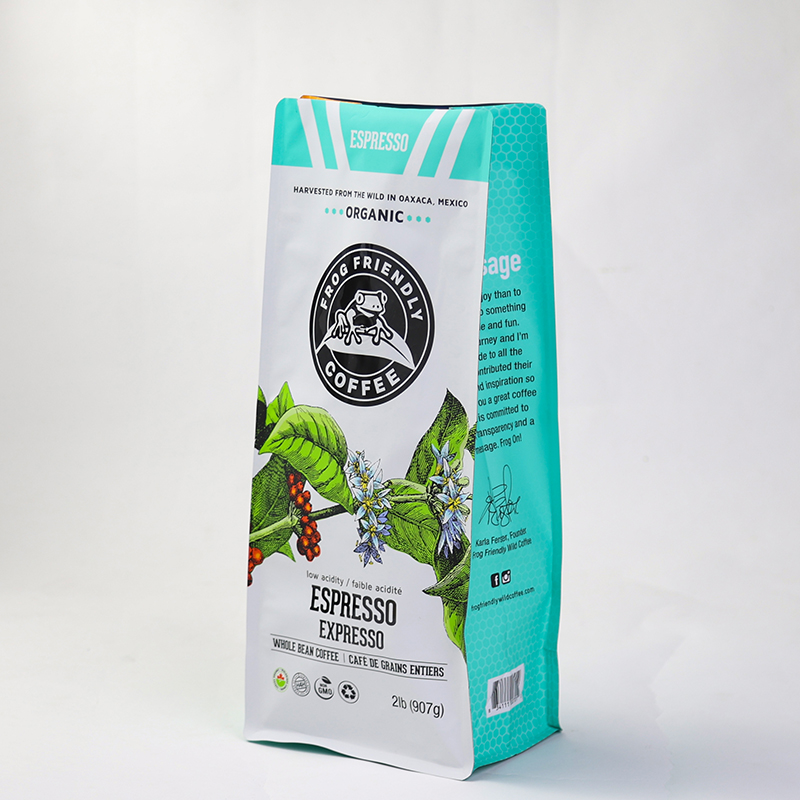
Common Structures: PET/AL/PE (High barrier for coffee & chemicals), PET/NY/PE (High puncture resistance for frozen food), PET/VMPET/PE (Cost-effective for snacks).
Deep Dive into Pouch Formats
Engineered for Specific Use Cases
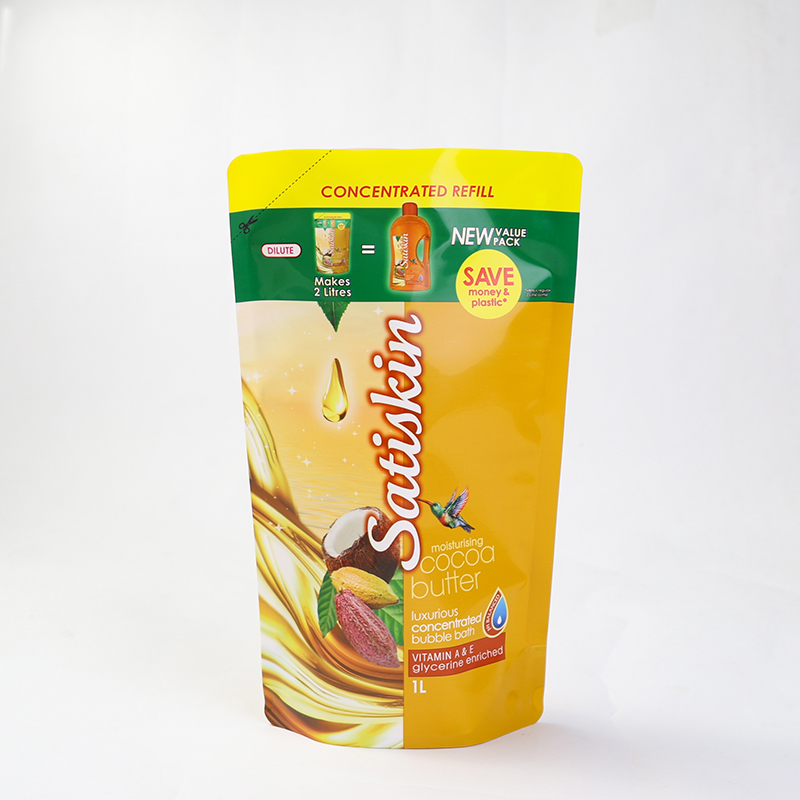
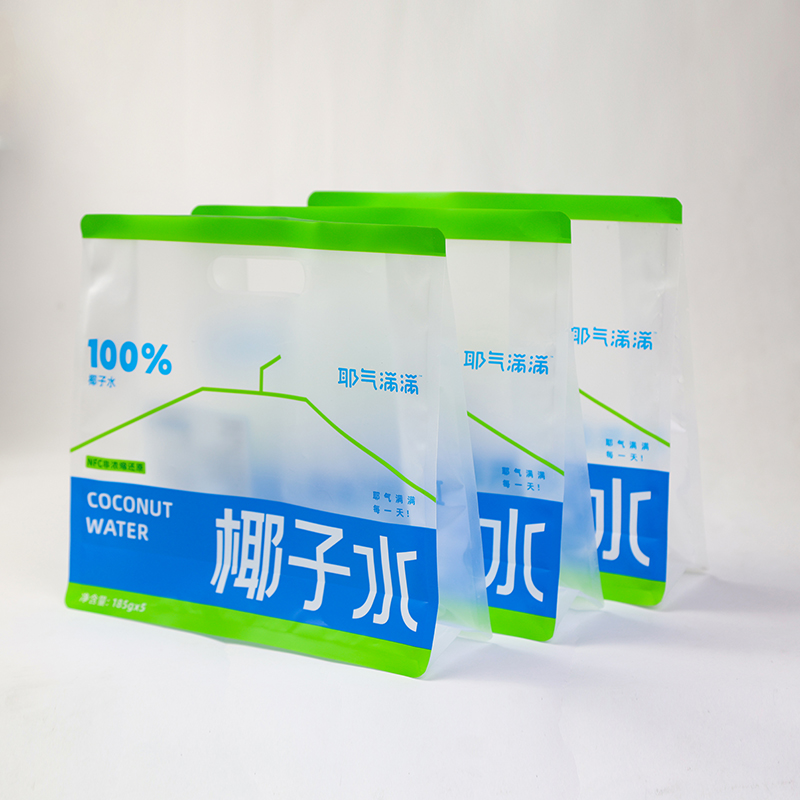
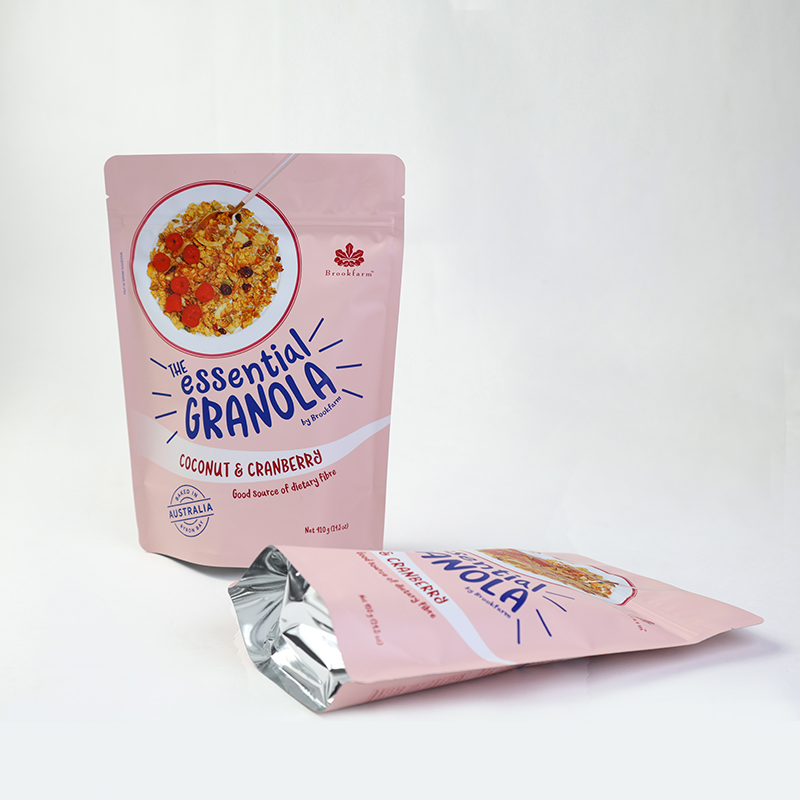
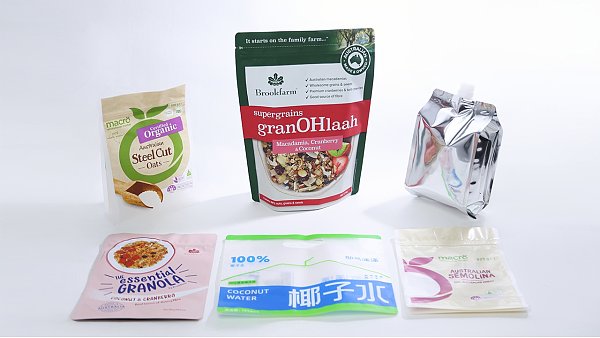
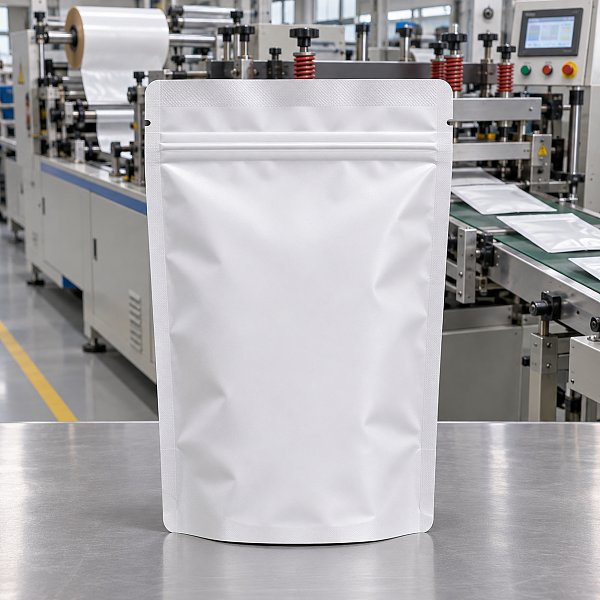
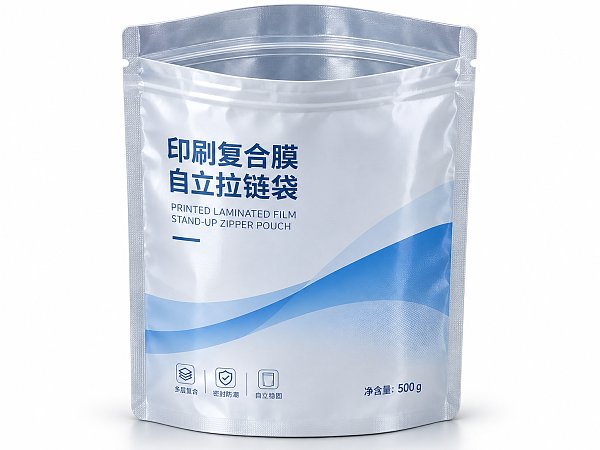
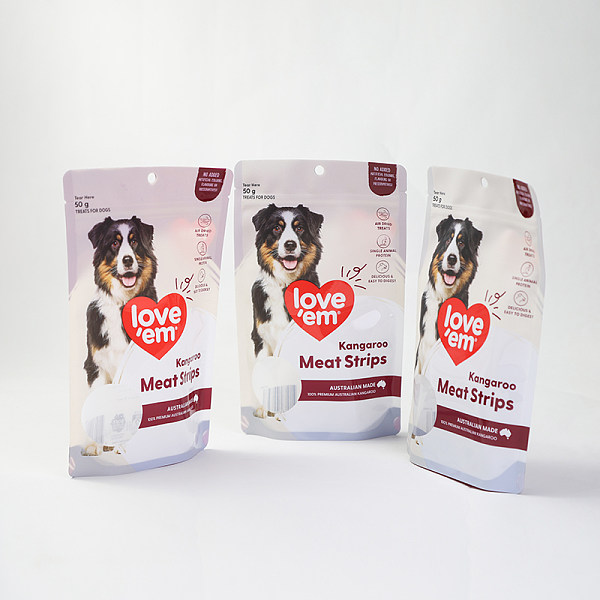
Stand-Up Pouches (SUP) with Bottom Gusset: The king of retail shelves. It utilizes the product's own weight to stabilize the bag. We engineer the gusset folds to ensure they open fully and sit perfectly flat on the shelf.
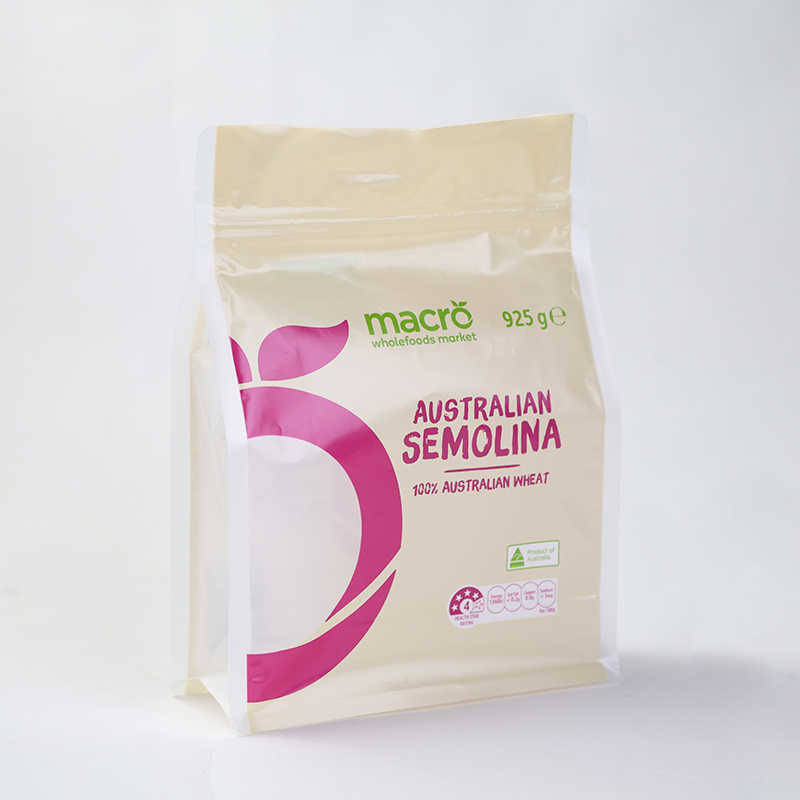
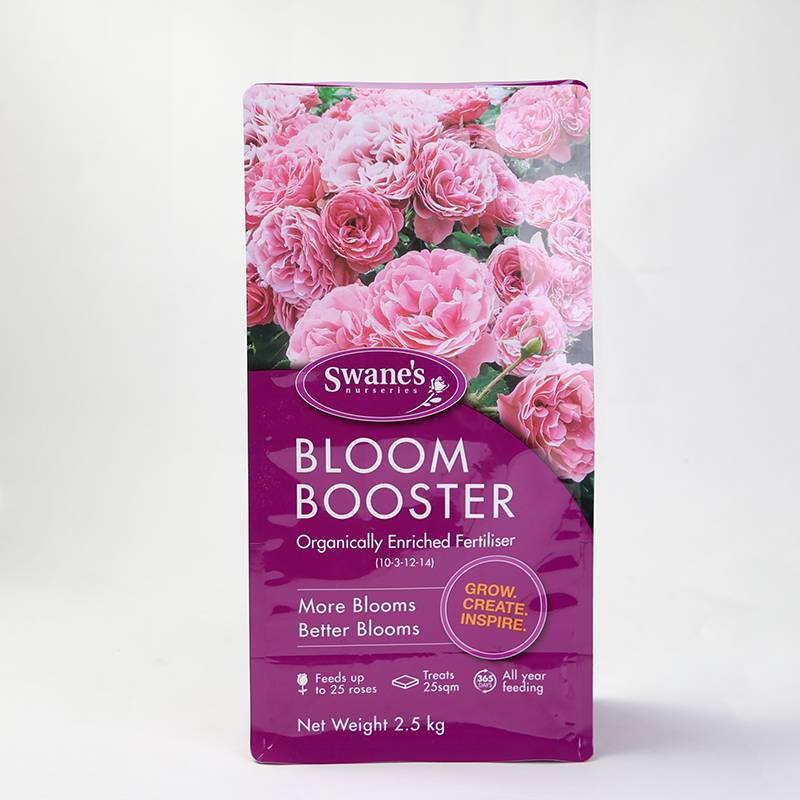
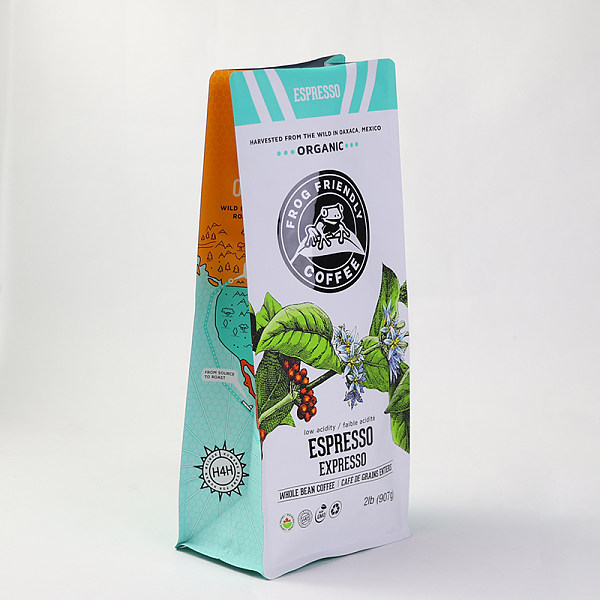
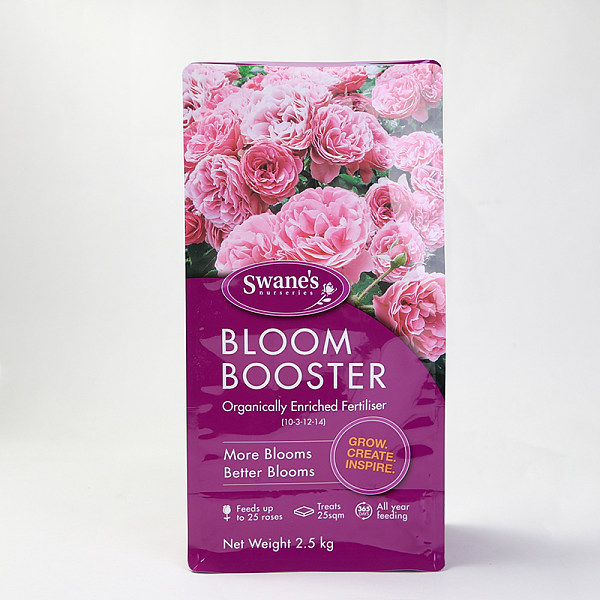
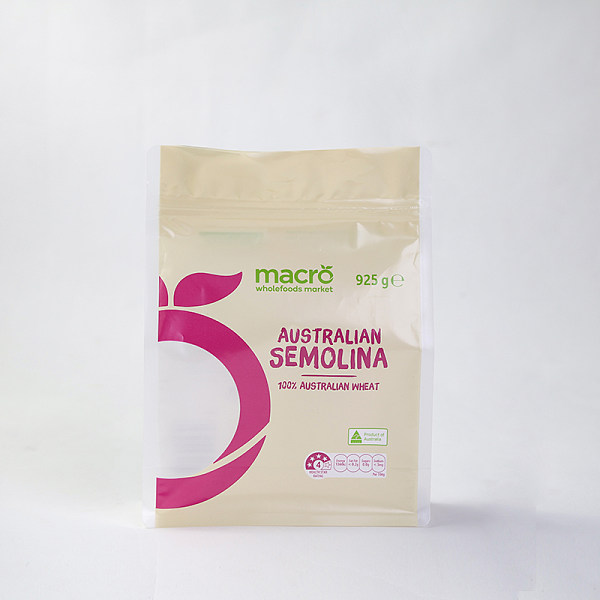
Flat Bottom Pouches (Box Pouches): The ultimate premium format. With four sealed corners and a flat base, it provides unmatched structural stability. Ideal for high-end coffee and luxury pet foods that need to stay upright and stackable.
Spouted Pouches (With Corner or Center Fitments): Designed for liquids and semi-liquids. We use heavy-duty, leak-proof fitments (with high-precision threads) that are welded directly into the pouch film, ensuring zero leakage even when squeezed.
Zipper & Slider Pouches: We use high-quality press-to-close zippers or rigid sliders. Crucially, we engineer the "peel strength" of the zipper so that it's easy for consumers to open, but strong enough to prevent "channel leaks" when storing liquids.
Filling Line Compatibility (The Factory Edge)
Why Our Pouches Don't Jam Your Machines
Precise COF (Coefficient of Friction): If the film is too slippery, it won't track straight; if it's too sticky, it jams the machine. We strictly control the slip additives in the film to match your machine's speed.
Optimized Seal Window: We provide the exact temperature and pressure parameters. The seal width (typically 5mm to 10mm) is strictly controlled to ensure a hermetic seal without burning the film.
Clean Cutting Edges: Our bags are cut with high-precision hot knives, ensuring there is zero stringing or micro-fractures on the edges that could cause tearing during the filling process.
Tailored for Diverse Industries
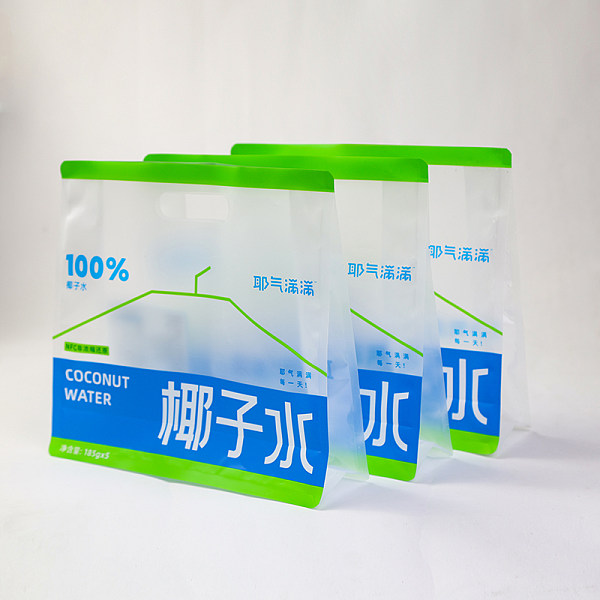
Food & Beverage: Coffee beans (with degassing valves), powdered drinks, sauces, and frozen meals.
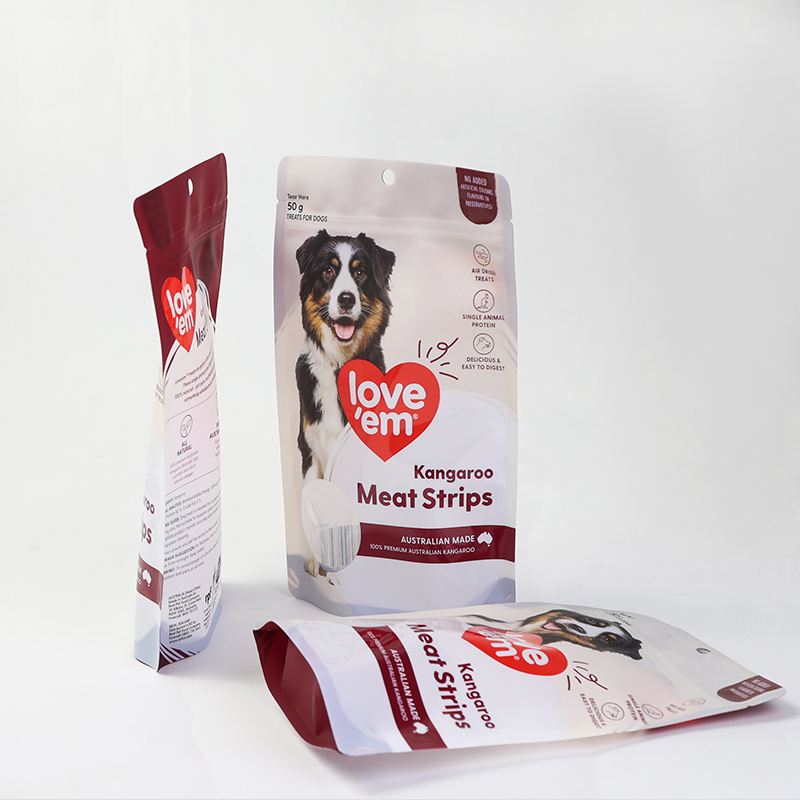
Pet Care: High-strength, puncture-resistant bags for dry kibble, treats, and freeze-dried raw food.
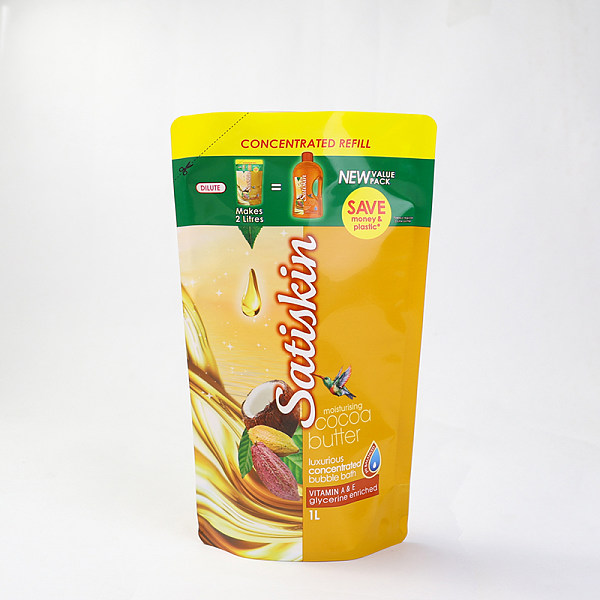
Home & Personal Care: Refill pouches for liquid detergents and shampoos.
Industrial & Chemical: Heavy-duty bags for adhesives, fertilizers, and corrosive powders.
Frequently Asked Questions
Q1: Our automated packaging machines are very sensitive. How do you prevent pouch jamming or mis-opening during the filling process?
A: This is a critical pain point for B2B buyers. We precisely control the "peel strength" of the pouch opening to match your machine's air-nozzle pressure. We also maintain strict tolerances on the bag dimensions and seal width. We highly recommend providing us with your machine specs so we can adjust the film tension and seal parameters accordingly.
Q2: Our products contain high-fat or high-acid ingredients. Will the pouch delaminate or leak over time?
A: Standard pouches may fail, but ours won't. For aggressive formulas, we use specific high-performance sealant layers (like high-density PE or specialized CPP) to ensure exceptional chemical resistance. We can run a 45-day accelerated aging test with your actual product to guarantee zero delamination and absolute seal integrity before mass production.
Q3: Are your zippers truly leak-proof for liquid or semi-liquid products?
A: Absolutely. Our zippers are not just standard closures; they are engineered with specific interlocking profiles and reinforced bases. We run rigorous drop and pressure tests on all zippered pouches. For highly liquid products, we recommend adding an internal fitment or using our heavy-duty slider zippers.
Q4: We want to launch an eco-friendly product line. Do you offer recyclable laminate pouches?
A: Yes. We offer mono-material (Mono-PE or Mono-PP) recyclable pouch options. While standard multi-layer pouches mix different materials (making recycling difficult), our mono-material pouches provide excellent barrier properties using a single polymer family, making them highly recyclable. Please contact us for the specific MOQ and compliance certifications (like APR or RecyClass).
Q5: What is your MOQ for custom-printed pouches, and what is the lead time?
A: Because pouch printing requires rotogravure cylinders, our standard MOQ is typically around 10,000 to 30,000 pieces per SKU (depending on the pouch size and material structure). The lead time for custom-printed pouches is generally 20-30 days after artwork and sample approval.
 Stand-Up Laminate Zipper Pouch Packaging For Mixed Nut Food
 Stand-Up Laminate Pouch With Breather Valve For Coffee Bean
 Stand-Up Laminate Pouch Packaging for Household Fertilizer
 Standing Laminate Pouch With Zipper For Pet Food
![]() Multilayer Stand Up Zippered Pouch Packaging for Beverages
 Laminate Stand Up Sealable Pouch with Zipper For Flour
 Eco friendly Refillable Stand Up Laminate Pouch for Skincare
Professional Service
Interested? Leave your contact details.
Search Starts Here