
How do I choose a laminate web for cosmetic tubes? The answer depends on more than appearance. Product compatibility, barrier protection, tube flexibility, printing quality, and sustainability goals all influence how well a cosmetic tube performs on the shelf and in consumers’ hands. Understanding the differences between laminate structures can help brands balance protection, aesthetics, and cost while selecting a material suited to their formulation and production requirements.
The useful starting point is not a material name. It is a description of what the finished tube must protect, how it will be made, and what the consumer should feel when using it. A rich hand cream, a volatile fragrance-containing product, and a formula with oxygen-sensitive ingredients may all look suitable for a squeeze tube, yet they can place quite different demands on the web.
Start with the formula, not the finish
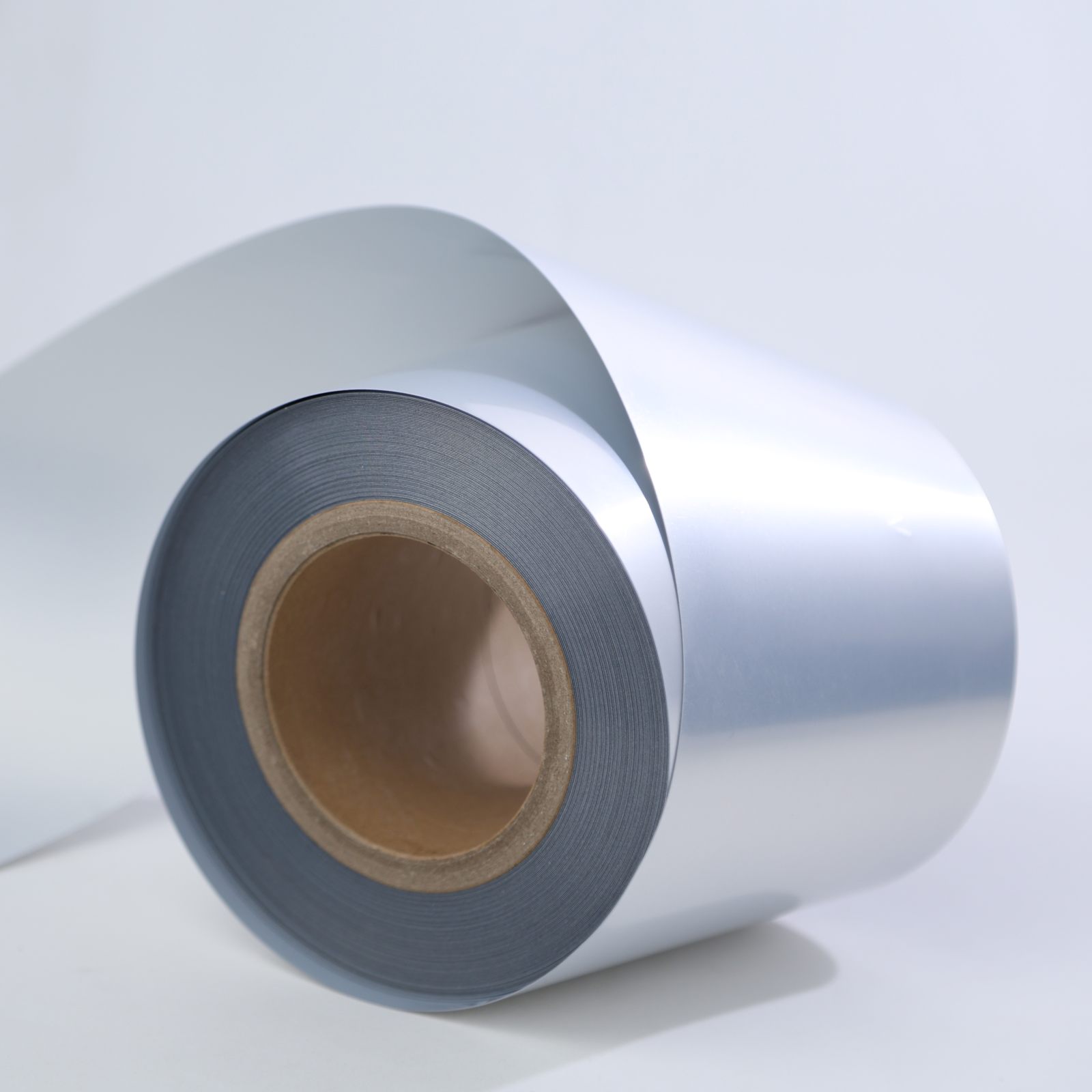
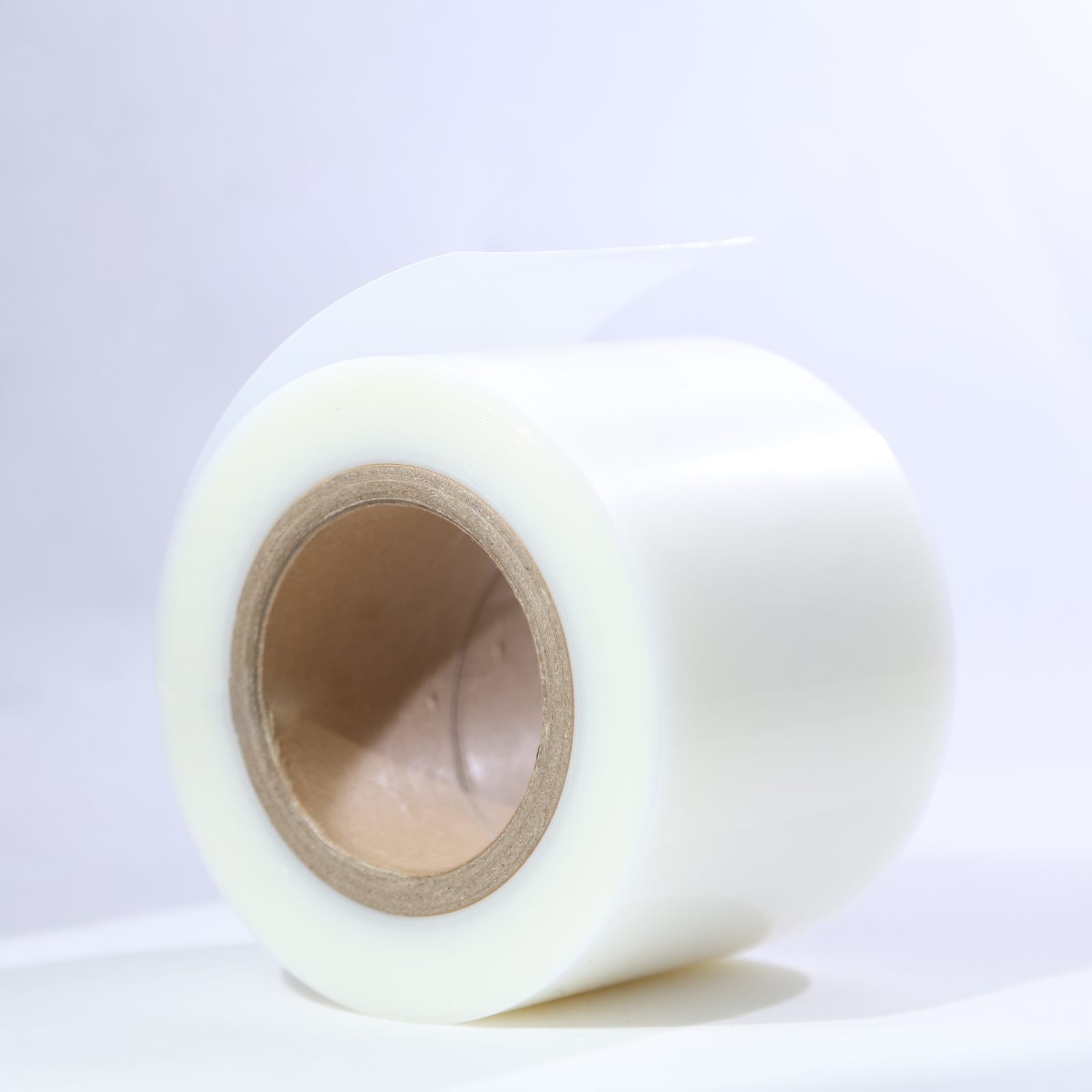
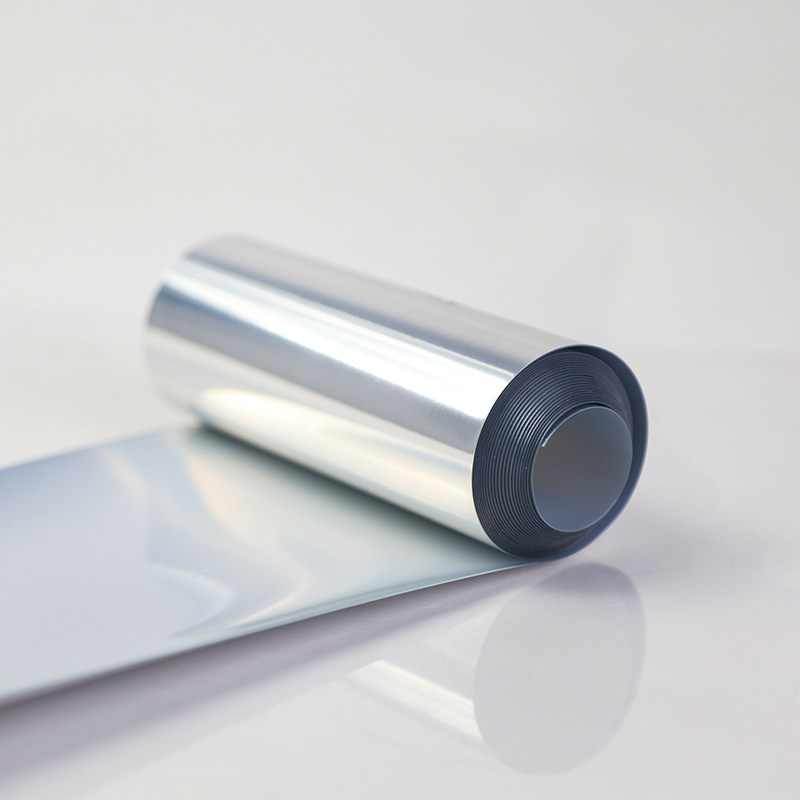
A laminate web is the multilayer material supplied in roll form for conversion into tube bodies. Its layers can contribute sealing, barrier protection, structural strength, and a printable surface. Their performance depends on the complete construction, not just the material named on a sales sheet.
Ask the formulation team what could change during the intended shelf life. Is the product sensitive to oxygen or moisture? Does it contain fragrance components that may be lost through the pack or absorbed by the contact layer? Could oils, solvents, acids, or other ingredients affect the inner layer or seals? The answers help establish which properties need testing before anyone selects a glossy or metallic effect.
Also consider the package as a whole. A web with excellent barrier properties cannot compensate for a closure that leaks or a poor shoulder or end seal. If the formula is sensitive, assess the body, shoulder, closure, and seals together rather than treating the web’s laboratory barrier value as the performance of the finished tube.
Compare ABL and PBL on the properties that matter
The two common categories are aluminum barrier laminate, usually called ABL, and plastic barrier laminate, or PBL. They are useful starting points, but each category contains different structures. A supplier should identify the actual layers and provide performance information for the proposed grade.
ABL is worth examining when protection from light or permeation is a major concern. Its foil layer can provide a strong barrier when intact, but the finished tube still needs to withstand forming, handling, and repeated squeezing. If a foil-containing web is stressed or damaged during conversion, the barrier of the final package may not match expectations based on the flat material alone.
PBL is often attractive when tube feel, recovery, and appearance are high priorities. That does not mean every PBL offers the same protection. A polyethylene-rich structure with a barrier polymer is different from a structure without one, and barrier performance can be affected by the design and test conditions. Ask for relevant oxygen and water-vapor transmission data, including the test method and conditions, then check whether those results are meaningful for the intended product.
Do not select ABL simply because it sounds more protective, or PBL simply because it is plastic. A product that needs moderate protection may not justify the cost or end-of-life trade-off of a foil structure. A sensitive formula, on the other hand, may make a high-barrier option worth investigating even if the brand initially prefers an all-plastic appearance.
Match the web to the way the tube is used
A cosmetic tube is handled, squeezed, opened, closed, and sometimes stored upside down. The material needs to feel appropriate throughout that experience. A web that looks substantial as a flat sample may produce a tube that is difficult to squeeze once formed. A softer body may dispense comfortably but crease more readily or recover less than the design team expects.
Product viscosity changes the decision. A thick mask or dense cream may require a different balance of tube stiffness, opening size, and closure design than a light lotion. Test the filled tube with the intended dispensing orifice; an easy-to-squeeze web will not solve a flow problem caused by an unsuitable opening.
Web thickness is only one part of this balance. Layer composition, tube diameter, shoulder design, and seal geometry also affect handling. Instead of asking for “the thickest” or “the softest” web, define the desired squeeze feel and compare finished samples. It is also worth checking whether the tube stands neatly, whether the cap can be operated with product on the hands, and whether visible creasing fits the brand’s expectations.
Check compatibility before approving artwork
The inner contact layer deserves as much attention as the barrier layer. Depending on the formulation and material, ingredients may interact with the package, migrate into it, or change its appearance or mechanical properties. Fragrance loss, odor changes, discoloration, swelling, and seal weakening are issues to investigate, not outcomes that can be predicted from the web name alone.
Use compatibility trials with the actual formula and the intended finished package. Review samples under agreed storage conditions and at agreed intervals, including conditions relevant to transport and use. Look beyond leakage: compare product odor, color, consistency, package appearance, and seal integrity against suitable controls. Accelerated testing can help identify concerns, but it should not automatically be treated as proof of real-time shelf life.
For products sold across markets, request appropriate documentation for the intended application and destinations. Requirements depend on the product, materials, and local rules. A general statement that a material is “safe” is not a substitute for checking the relevant composition, supplier declarations, and any necessary assessment of the finished pack.
Make sure the design survives conversion
Print quality starts with the surface and decoration process, but it is judged on a curved tube, not on a flat proof. Color can appear different after forming; small text can become harder to read near a seam; and artwork placed too close to the shoulder or end seal may not sit where the designer imagined.
Share the converter’s artwork template early, including the usable print area, seam position, and allowances for manufacturing variation. If the design relies on a precise metallic effect, matte varnish, tactile finish, or color match, request a representative sample made with the proposed material and decoration method. A digital rendering is useful for layout; it is not a reliable approval of the final surface.
The decoration must also tolerate the product’s life. Assess scuff resistance and ink or coating adhesion after filling, handling, and contact with the formulation where relevant. This matters particularly for tubes carried in a handbag or used in a wet bathroom, where rubbing and exposure are part of normal use.
A recyclable claim requires more than a plastic web
Brands may prefer a polyethylene-rich laminate to support a packaging redesign, but a material choice alone does not establish that the finished tube will be collected, sorted, and recycled in every market. The shoulder, cap, barrier layer, inks, coatings, residual product, and local collection systems can all affect the outcome.
Define the target market and the claim before changing the structure. Then review the complete tube against the applicable local guidance or assessment scheme and ask suppliers for supporting material details. If a barrier layer is needed to protect the formula, discuss how its inclusion affects the proposed design rather than assuming it can simply be removed.
There is a practical trade-off here: reducing material complexity is useful only if the pack still protects and dispenses the product adequately. A reformulation, different closure, or different tube structure may be necessary if the desired barrier and end-of-life objectives cannot be met together.
Bring the converter and filler into the decision
A web can meet the brand’s visual brief and still be a poor production choice. Tube manufacturers need a structure that forms consistently, produces a reliable longitudinal seam, and works with the intended shoulder and closure. The filler then needs a tube that runs on its equipment and seals properly at the tail after filling.
Before requesting a quotation, share the intended tube dimensions, fill volume, product characteristics, printing requirements, and expected filling and sealing process. Ask the converter which web specifications it needs, such as roll dimensions, artwork registration requirements, and acceptable material tolerances. Confirm who is responsible for approving each interface: web to tube, tube to filling line, and filled tube to distribution.
Compare quotes on the same basis. A lower web price may not be the lowest finished-pack cost if it requires a different print process, creates more conversion waste, or needs additional testing. Equally, a premium structure is hard to justify if its extra barrier or finish does not address a defined product need. Minimum order quantities, lead times, sample charges, and the ability to maintain the approved structure across repeat orders should be part of the discussion.
Shanghai Pactek Industries Co., Ltd., headquartered in Shanghai and established in 2017, works across laminate webs and other packaging formats while coordinating supplier resources in China. For a buyer comparing options, that type of sourcing support can be useful when the discussion includes the converter’s requirements and the finished tube—not just a price for material on a roll.
The most dependable choice is the structure that passes the tests relevant to the project, runs on the intended equipment, and delivers an acceptable user experience at a workable cost. Before committing to production quantities, agree on the exact web construction, obtain representative finished samples, and document the acceptance criteria with the parties responsible for conversion and filling.
Can't find what you're looking for ?
Leave a Message we will call you back quickly!
Product Classification
Professional Service
Interested? Leave your contact details.
Search Starts Here