

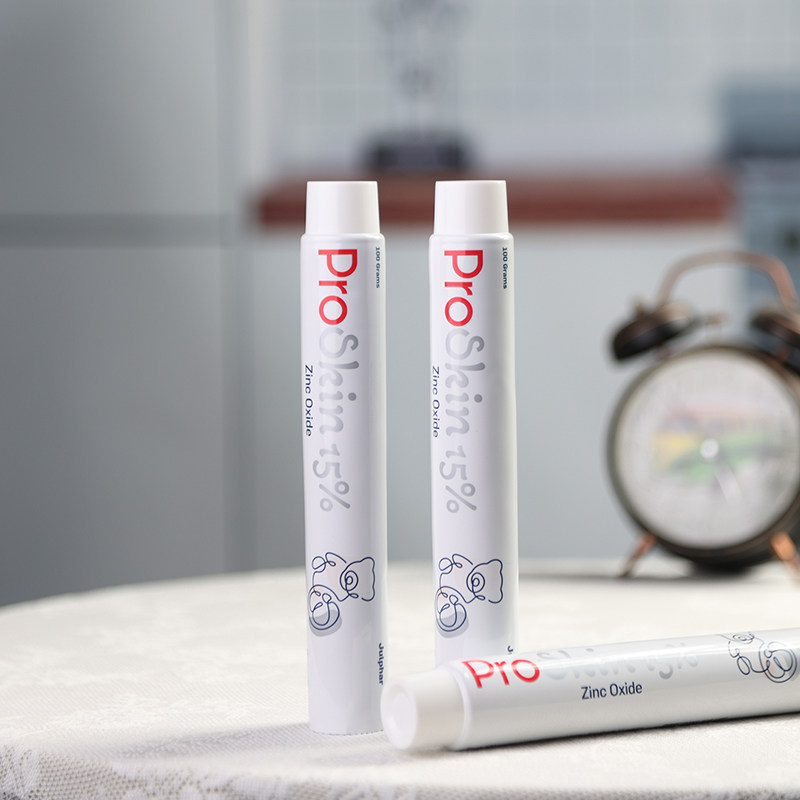
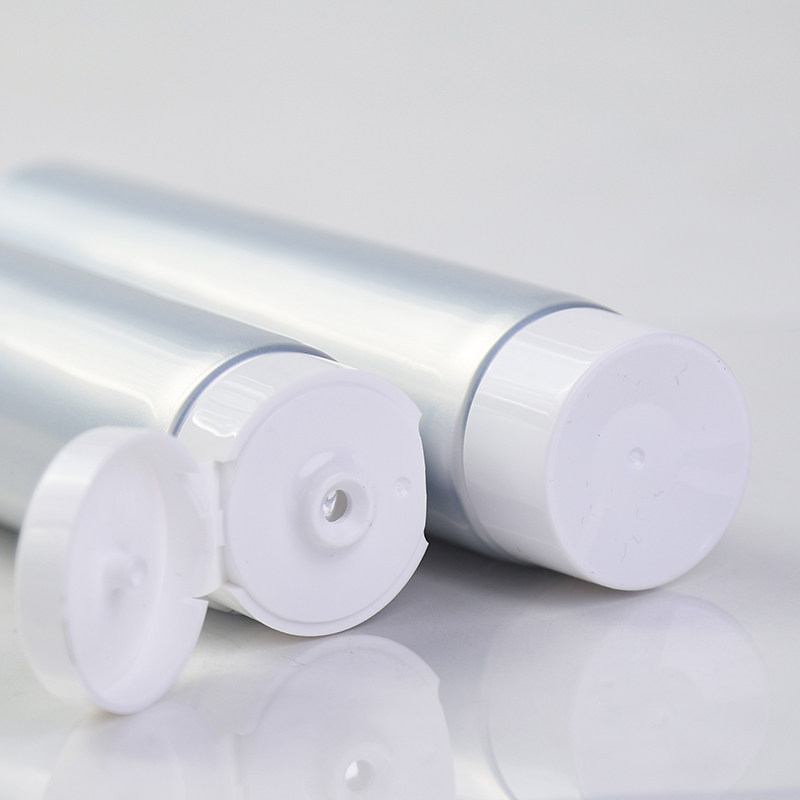
Order quantity is one of the strongest levers in toothpaste tube wholesale pricing, but a larger purchase order is not automatically the cheapest choice. Longer production runs can spread artwork, printing and machine setup costs across more tubes. Smaller batches cost more per unit, yet they may protect a buyer from obsolete packaging, excess stock and avoidable artwork changes.
The useful question is not simply, “How much does the price fall if we order more?” It is, “Which costs actually change with the quantity, and what additional commitments come with the lower price?” Understanding that distinction makes supplier quotes easier to compare and purchasing decisions easier to defend.
Why larger tube orders usually cost less per unit
A toothpaste tube order includes costs that do not increase in direct proportion to the number of tubes. Artwork preparation, print origination, line setup and production checks may be needed whether the run is short or long. When those costs are allocated across more finished units, the setup cost per tube falls.
Longer runs can also reduce changeovers between specifications. A supplier may be able to plan materials and production more efficiently when the same tube construction, print design and closure are repeated. That does not mean every cost falls at the same rate: resin, laminate, caps, packing and freight still contribute to each delivered tube, and their prices depend on current purchasing and transport conditions.
The size of the discount is therefore project-specific. Ask for prices at several realistic quantities rather than assuming that doubling an order will produce a proportional reduction. The supplier should also identify any one-time charges separately; otherwise, a low unit price can conceal an expensive first order.
A purchase order is not always one production run
A brand may buy a large total volume across several toothpaste variants, but that does not necessarily qualify every variant for the same price as one uninterrupted run. If each flavor has different artwork, the printer may need separate plates or other origination, color changes and additional checks. A different cap, diameter or tube length can introduce further changeovers.
For example, a combined order for a family of toothpaste products may have one common tube structure but several printed designs. The supplier might offer a material purchasing advantage on the combined volume while still applying a minimum quantity or setup charge to each design. Confirm how the quote treats both the total order and each individual stock-keeping unit.
Where branding permits, buyers can explore shared specifications across variants: the same diameter, closure and laminate structure, with differences limited to the printed artwork. This can simplify purchasing and inventory, although the actual savings depend on the supplier’s equipment and how the designs are produced. Standardizing a component only makes sense if it still works on the filling line and meets the product’s needs.
Understand the minimum order before comparing prices
A minimum order quantity, or MOQ, is not always a single number for the entire project. It may apply to the tube body, a printed design, a cap color or a purchased material. Some suppliers can accept a smaller run by using existing material or a standard closure, but a surcharge or longer wait may apply.
Ask whether the MOQ is calculated per artwork, per size or across a combined order. Also establish the production tolerance: the quantity delivered may be above or below the requested amount if the agreed terms permit it. The quote should say how any overproduction is billed and whether unused packaging components become the buyer’s property.
For a launch, an MOQ that looks high against an uncertain forecast can be a bigger risk than the quoted premium for a short run. For an established product with stable artwork and predictable demand, a larger commitment may be easier to justify. Neither decision should be made on unit price alone.
Material and decoration choices change the quantity break
Toothpaste tubes may use laminate or extruded constructions. The appropriate choice depends on the formulation, required barrier performance, tube appearance, filling equipment and end-of-life objectives in the intended market. Different laminate structures and extruded tube specifications can carry different material and processing costs; there is no universal lowest-cost construction for every toothpaste.
Decoration matters just as much when volumes are modest. More complex artwork, special finishes or multiple print processes can increase preparation and changeover costs. A buyer considering a redesign should request a price comparison using the same tube dimensions and closure, so the effect of the decoration is visible rather than buried in a changed specification.
Caps deserve similar attention. An existing closure may be easier to source in smaller quantities than a distinctive color or custom design. Custom tooling, where needed, should be quoted separately with ownership, maintenance and replacement terms made clear. Before approving any substitution, check consumer usability and compatibility with the tube and filling process.
Environmental claims also need careful review. A material described as recyclable is not automatically accepted by collection and recycling systems in every market. Request the construction details and supporting information, then assess them against the requirements relevant to the product’s destination.
Compare landed cost, not just the tube price
The lowest quoted price per tube may exclude items another supplier has included. For a meaningful comparison, use the same quantities and specifications, then separate one-time charges from recurring costs. Include freight and other import-related expenses as applicable, using the agreed delivery terms rather than assumptions about what the supplier will cover.
A practical calculation is:
Estimated cost per usable tube = total tube purchase cost + applicable setup, delivery, import, storage and expected loss costs, divided by the number of tubes expected to be usable.
“Usable” is the key word. If excess printed stock becomes obsolete after a label change, the effective cost of the tubes actually filled is higher. Storage, financing and handling also matter, even when they do not appear on the supplier’s invoice. Use the buyer’s own expected costs and demand forecast; a precise-looking estimate based on unsupported assumptions is not a reliable comparison.
Freight can complicate the decision in either direction. A larger shipment may make better use of transport capacity, but an urgent partial shipment or additional warehousing can erode the saving. Check packing configuration, shipment volume, delivery location and whether the supplier can hold stock before treating a price break as a landed-cost benefit.
When a smaller batch is worth the premium
Shorter runs are often sensible when the product is new, artwork is awaiting market approval or the demand forecast is uncertain. They can also reduce exposure when several language versions are required and sales are difficult to predict by market. The higher price buys flexibility, not just fewer tubes.
That flexibility has limits. A very small order may require the supplier to use a different print method, a standard material or a less convenient production slot. Samples made by one process are not always a perfect representation of a later commercial run made by another. Agree on what the approval sample demonstrates and what will be checked again at production scale.
For an established SKU, calculate the extra cost of the smaller order against the cost of holding and potentially discarding a larger one. If the artwork is stable but deliveries are unpredictable, ask whether a scheduled release arrangement is available. A supplier may produce or reserve material in advance and deliver in stages, but the agreement should state who owns the stock, where it is held, how long it can remain there and what happens if the forecast changes.
Production schedules can outweigh a price tier
A low price quoted against a long or uncertain lead time may not be useful if it puts a filling schedule at risk. Lead time can include artwork approval, material procurement, component availability, production and transport. Ask when the clock starts: a quote may refer to time after final artwork approval and receipt of a deposit, not after the initial inquiry.
Repeated urgent orders can lead to less favorable scheduling or extra transport expense. A rolling forecast, even if it is not a purchase commitment, gives the supplier more visibility. The buyer should still distinguish forecast quantities from firm orders and confirm the notice needed for changes.
Do not assume a larger order means proportionally faster or slower delivery. Available capacity, material stock, the number of variants and the agreed shipment plan all influence timing. Request a proposed schedule for each quantity option, including any partial deliveries.
What to include in a request for quotation
A useful request gives suppliers enough information to price the same product without making their own assumptions. It should identify the intended filling method and product application, alongside the tube dimensions, target capacity, material or barrier requirements, closure, artwork and expected order quantities. Include the delivery destination, requested timing and any relevant packing or quality requirements.
Ask for a quantity-price schedule for each artwork and for the combined project where applicable. Request separate lines for tooling, print origination, samples, delivery and recurring unit costs. The response should clarify payment terms, quotation validity, quantity tolerance and any assumptions that could change the price after artwork review.
For an unfamiliar construction, qualification should come before a large commitment. Confirm the tube and closure work with the formulation and filling equipment, and agree on acceptance criteria with the supplier. A lower price is difficult to recover if packaging cannot be filled consistently or the final appearance differs from what was approved.
Shanghai Pactek Industries Co., Ltd., a Shanghai-based packaging supplier established in 2017, works with laminate and extrusion tubes as well as other flexible packaging formats. For a sourcing discussion involving multiple options, provide the same functional requirements and forecast for each proposed construction; that makes it easier to distinguish a genuine quantity saving from a change in specification.
Before placing the order, compare the best two or three quantity scenarios using expected usable stock, delivery timing and the cost of a forecast error. The right purchase quantity is the one whose saving remains credible after those commitments are included—not simply the one with the lowest figure on the quotation.
Can't find what you're looking for ?
Leave a Message we will call you back quickly!
Product Classification
Professional Service
Interested? Leave your contact details.
Search Starts Here