
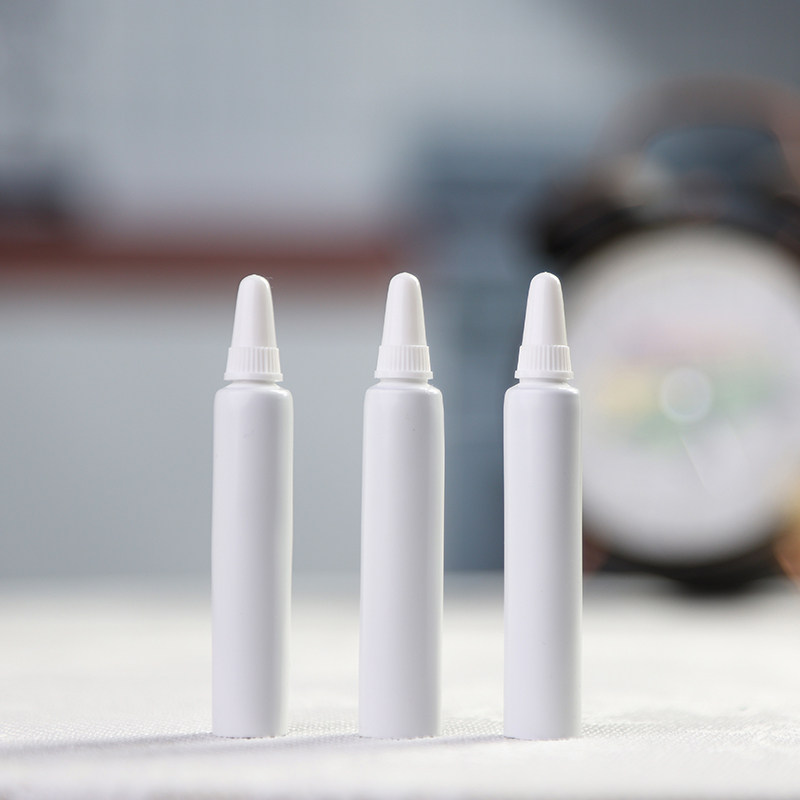
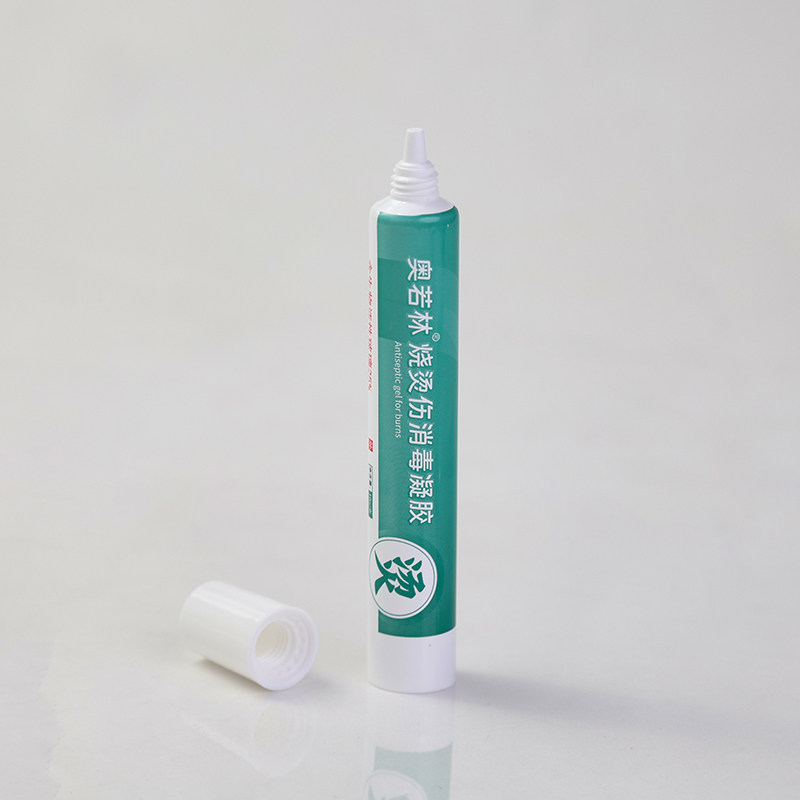
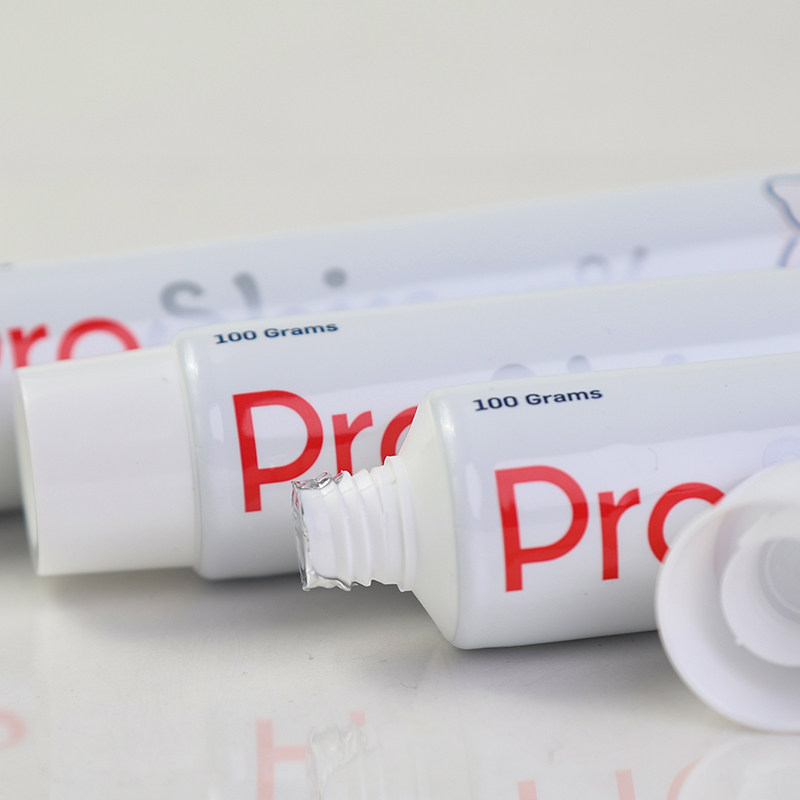
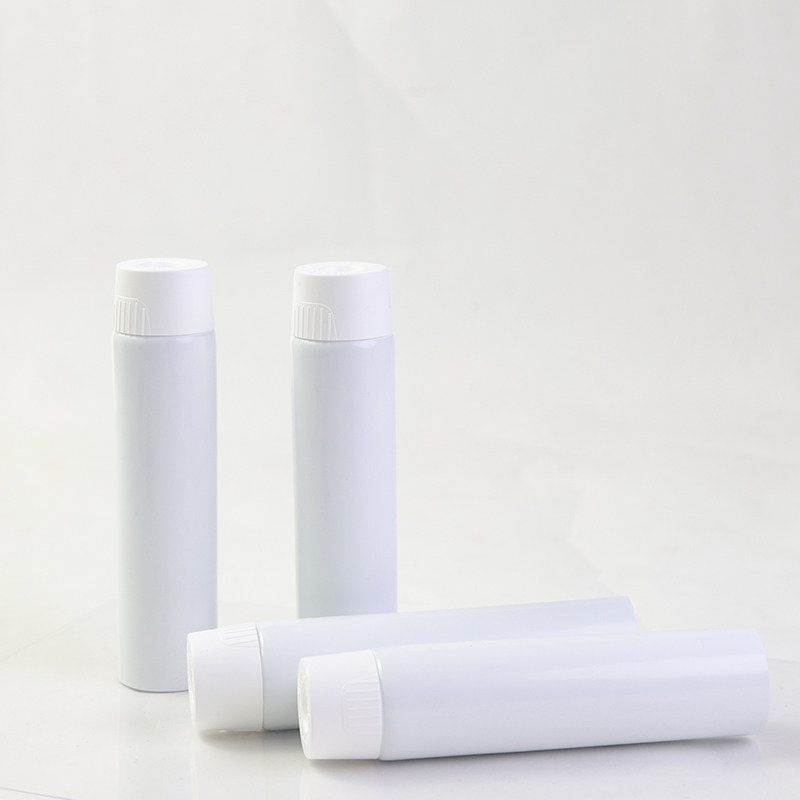
Pharmaceutical packaging has long favored wide-mouth tubes. The logic was straightforward: a larger opening means faster dispensing, shorter filling cycles, and lower per-unit cost. For decades, 30mm was the default diameter for medicated creams and ointments.
That default is changing. Over the past two years, we have seen a measurable shift among pharmaceutical and dermocosmetic brands toward 19mm formats, particularly for topical treatments where dosage precision affects clinical outcomes.
This is not a cosmetic trend. Three practical factors are driving it.
Dosing accuracy affects treatment outcomes
With a 30mm orifice, a single squeeze can release two to three times the volume needed for a typical application. Patients and caregivers rarely measure the output. They squeeze, apply what comes out, and repeat.
For medicated creams containing active pharmaceutical ingredients, this creates two problems. Under-application reduces efficacy. Over-application increases the risk of local irritation and systemic absorption, particularly with corticosteroid formulations where cumulative dose matters.
The 19mm orifice releases a smaller, more consistent volume per squeeze. It does not eliminate dosing error, but it narrows the margin. In clinical settings where precise application to a defined skin area is required, that margin matters.
Air ingress after opening is the real stability threat
Much of the discussion around barrier packaging focuses on oxygen transmission rate (OTR) before the package is opened. This matters for shelf life during distribution and storage.
But once a tube is opened, a different problem begins. Every time the tube is squeezed and released, air enters through the orifice. In a 30mm tube, the volume of air drawn back in is significantly larger than in a 19mm tube.
For formulations containing oxidation-prone actives—vitamin C, retinol, certain sunscreen filters, or natural extracts without synthetic preservative systems—this post-opening oxidation can degrade the product faster than the initial barrier was designed to prevent.
The narrower orifice does not eliminate air entry. It reduces it. For products with a typical in-use period of three to six months, that reduction extends the window during which the formulation remains within specification.
Clinical presentation influences prescribing behavior
This factor is harder to quantify but consistently reported by brands selling through pharmacy and dermatologist channels.
The 19mm format reads as clinical. It resembles the packaging patients associate with prescription products rather than mass-market cosmetics. For brands positioning a product as a medical treatment rather than a beauty item, that visual cue reinforces the positioning before the patient reads the label.
In retail pharmacy environments where products compete for shelf attention, the slender profile also differentiates on a crowded shelf dominated by wider cosmetic formats.
What this means for formulation compatibility?
The shift to 19mm is not appropriate for every product. Formulations requiring rapid, high-volume dispensing—certain sunscreens, body lotions, or hair removal creams—are better served by wider diameters.
Barrier requirements also vary by formulation. Products containing essential oils, high concentrations of natural actives, or unusual pH levels may interact with the inner polyethylene layer of a co-extruded tube. Compatibility testing is recommended before committing to a production run.
We recommend confirming inner layer compatibility and, where necessary, conducting accelerated stability testing with your specific formulation before finalizing tube structure. A 5-layer co-extruded structure with EVOH barrier is appropriate for oxidation-prone formulations. A 3-layer structure may be sufficient—and more cost-effective—for stable formulations that do not contain oxidation-prone actives.
Pactek Industries is a professional supplier of co-extruded and laminate tubes with many years of experience, serving pharmaceutical, cosmetic, and personal care applications. We provide custom printing, barrier structure selection, and compatibility testing support for brands in regulated markets.
Can't find what you're looking for ?
Leave a Message we will call you back quickly!
Product Classification
Professional Service
Interested? Leave your contact details.
Search Starts Here