
‹
›
OEM Service Process
Complete the cooperation in four simple steps, with a professional team providing full support throughout the process.
Confirmation of product type, specifications, quantity, and special requirements
Provide a complete solution and detailed quotation
Make samples and adjust them to satisfaction
Mass production delivery based on confirmed samples
Pharmaceutical & Medicated Gel Laminated Tubes Product Detail
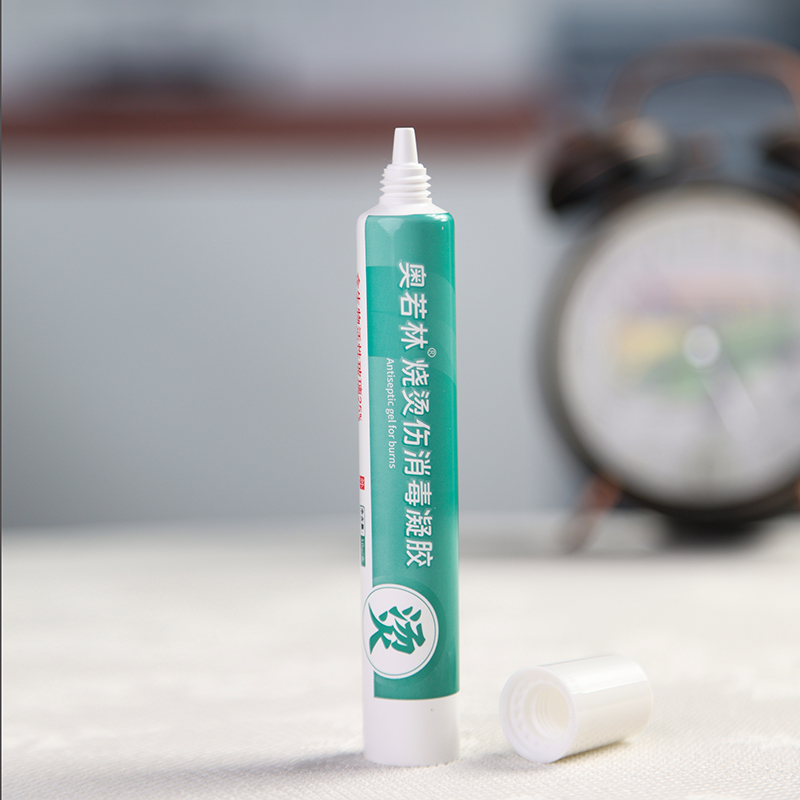
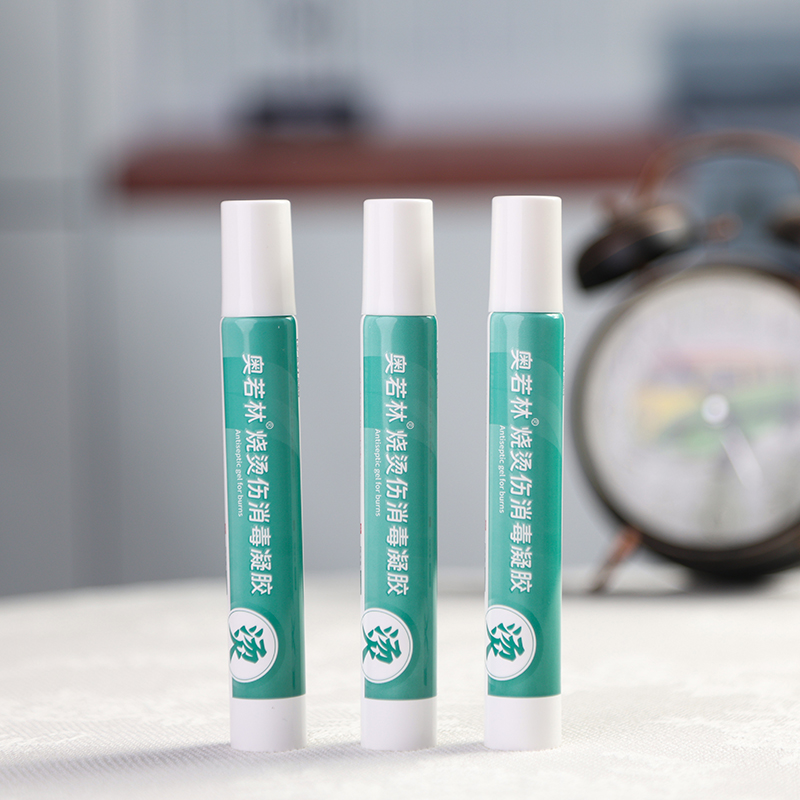
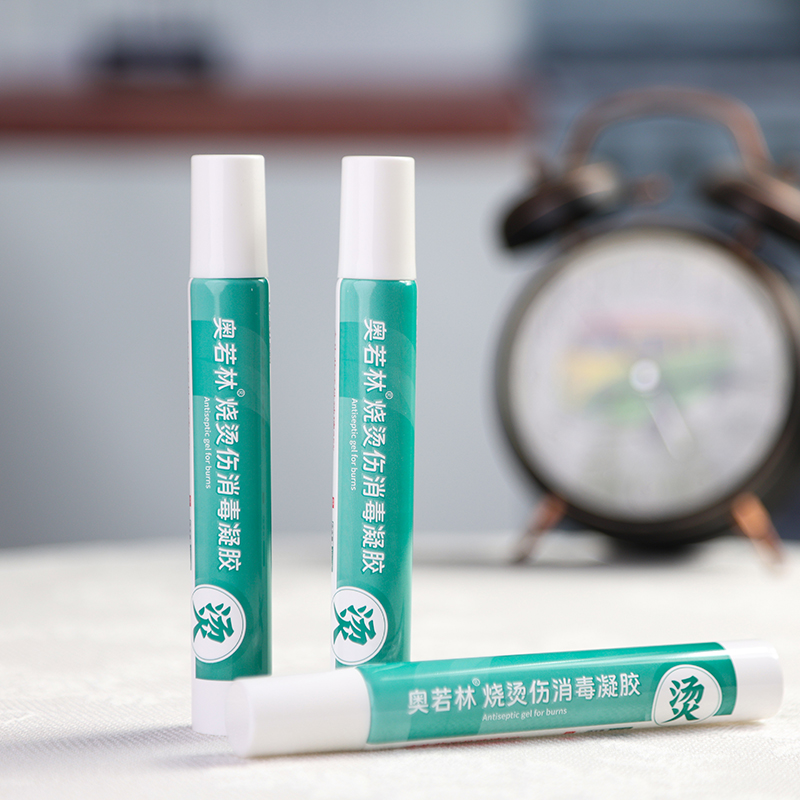
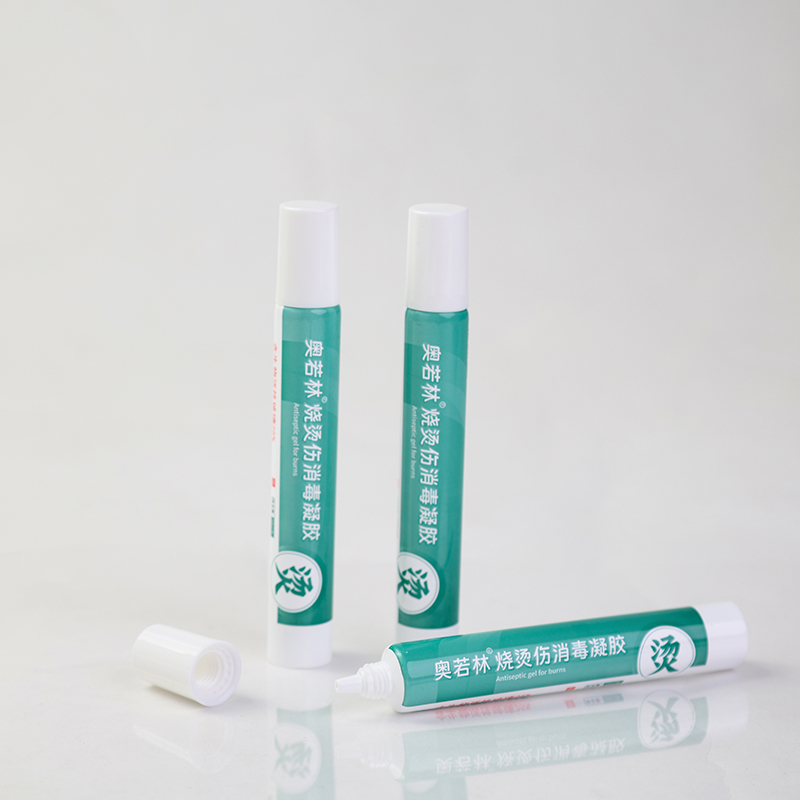
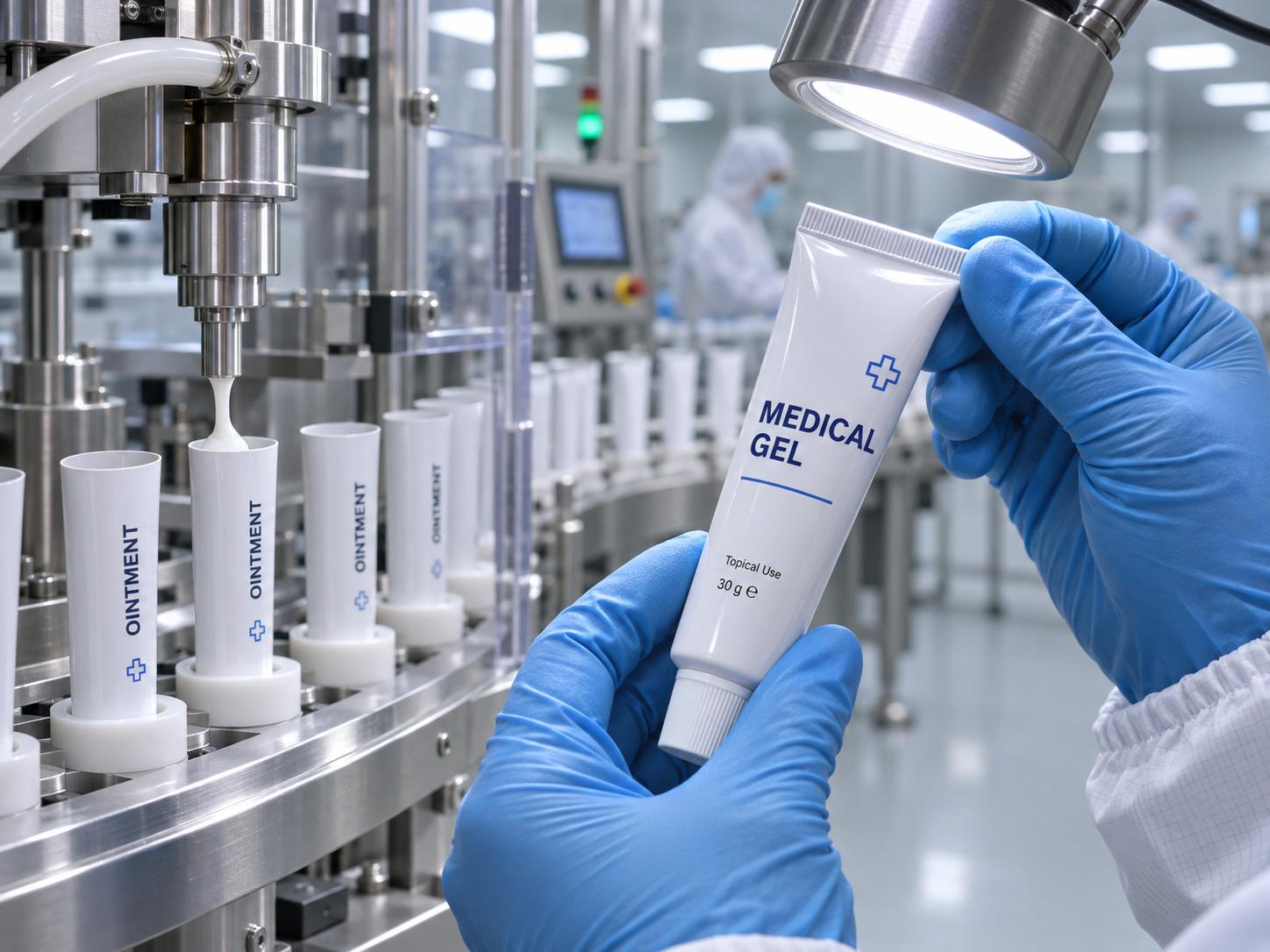
Packaging for medicated gels, burn treatments, and topical antiseptics is not a passive container—it is a critical part of the drug delivery and stability system. When active pharmaceutical ingredients (APIs) are exposed to oxygen, moisture, or UV light, efficacy drops and shelf life collapses. Our Pharmaceutical Laminated Tubes are engineered specifically for regulated markets, combining absolute barrier protection with flexible customization to match your exact product requirements.
Pharmaceutical & Medicated Gel Laminated Tubes Features
· Absolute Barrier Protection: Built with a 12–40 µm aluminum foil core (ABL), achieving an OTR < 0.05 cc/m²/day and WVTR < 0.1 g/m²/day. This completely blocks UV light, oxygen, and moisture. The inner food-grade PE layer ensures 100% purity, preventing any chemical interaction between the active gel and the aluminum layer.
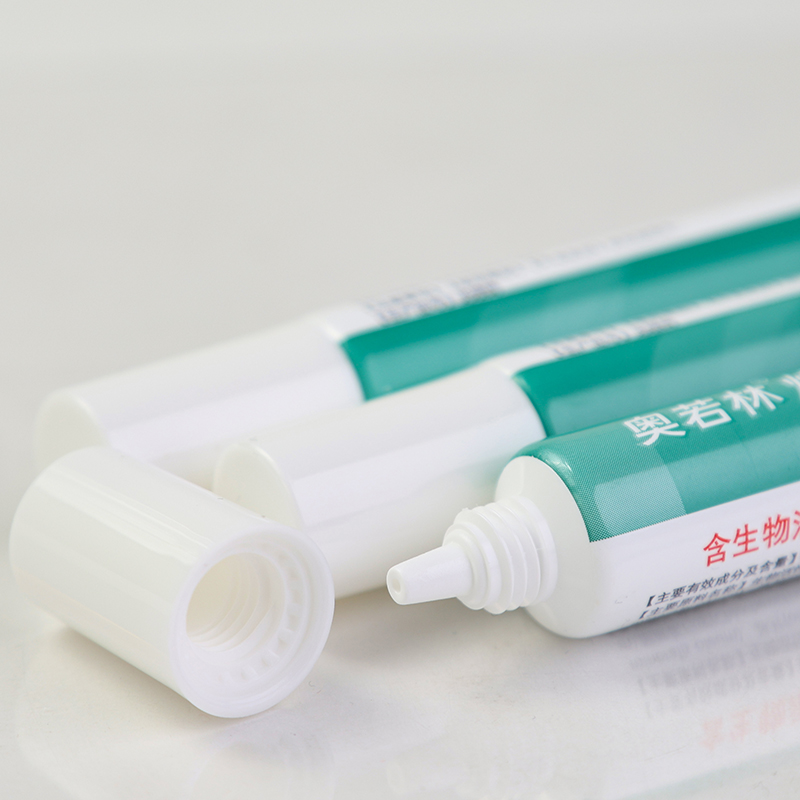
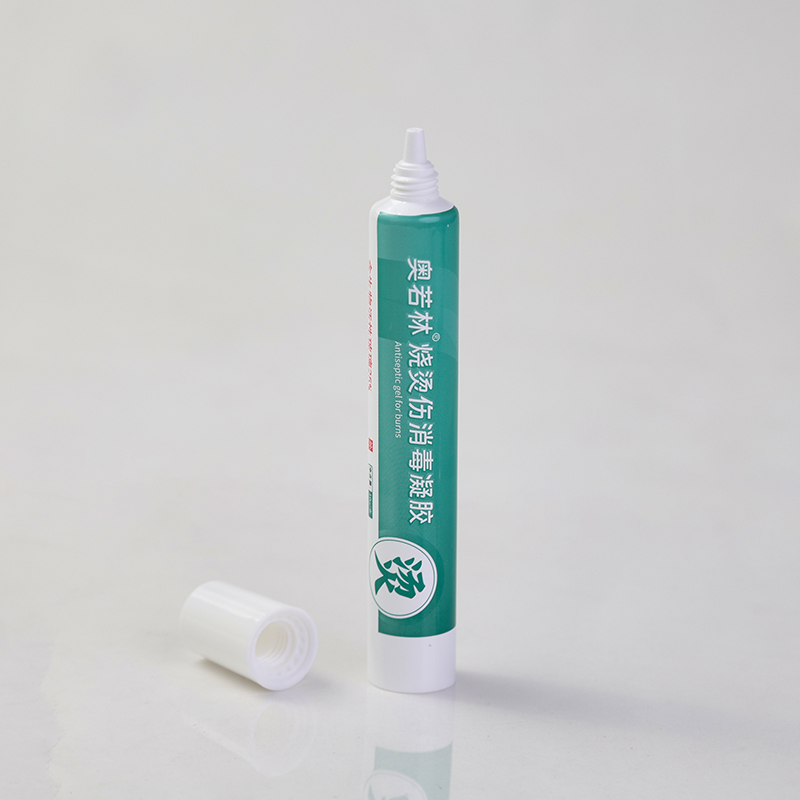
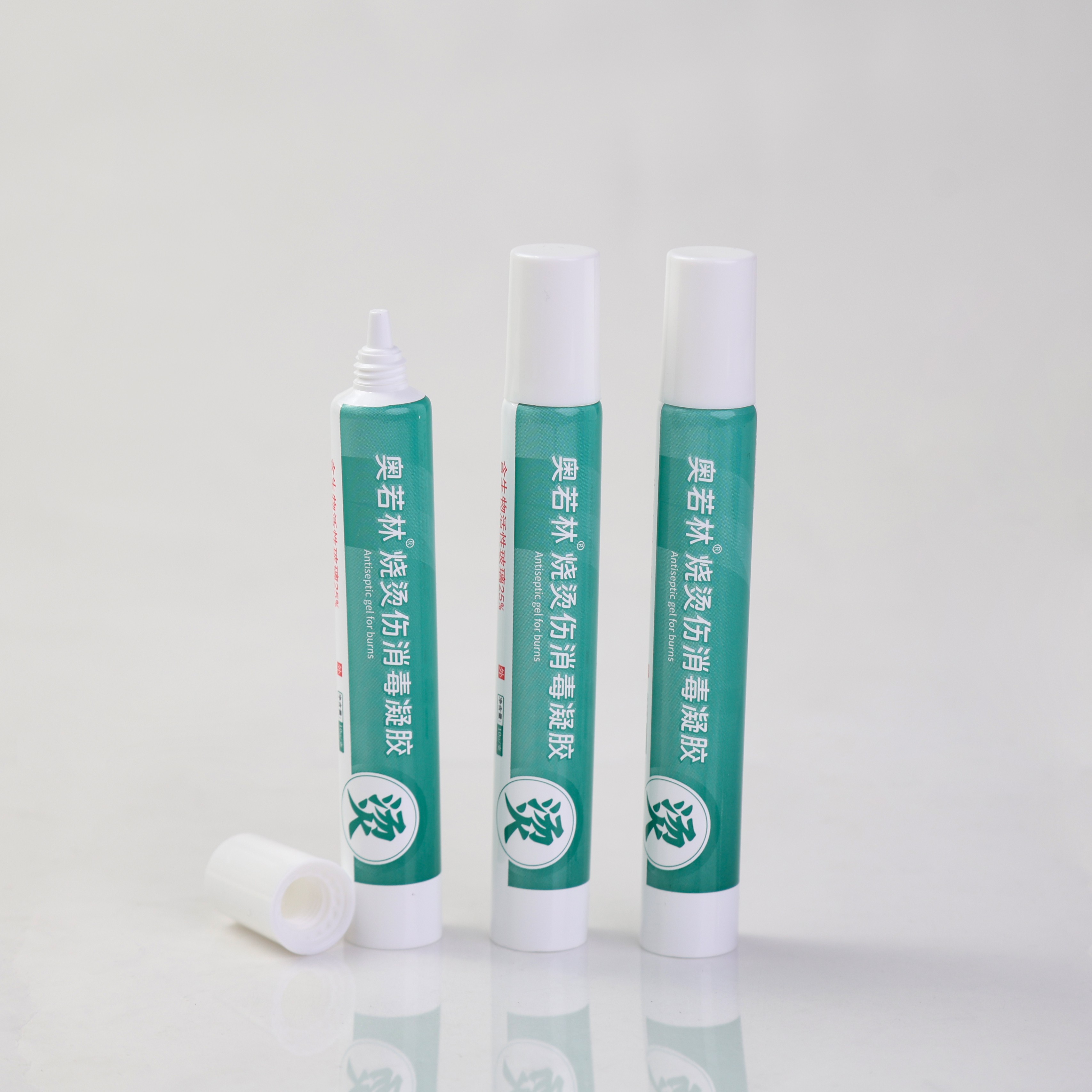
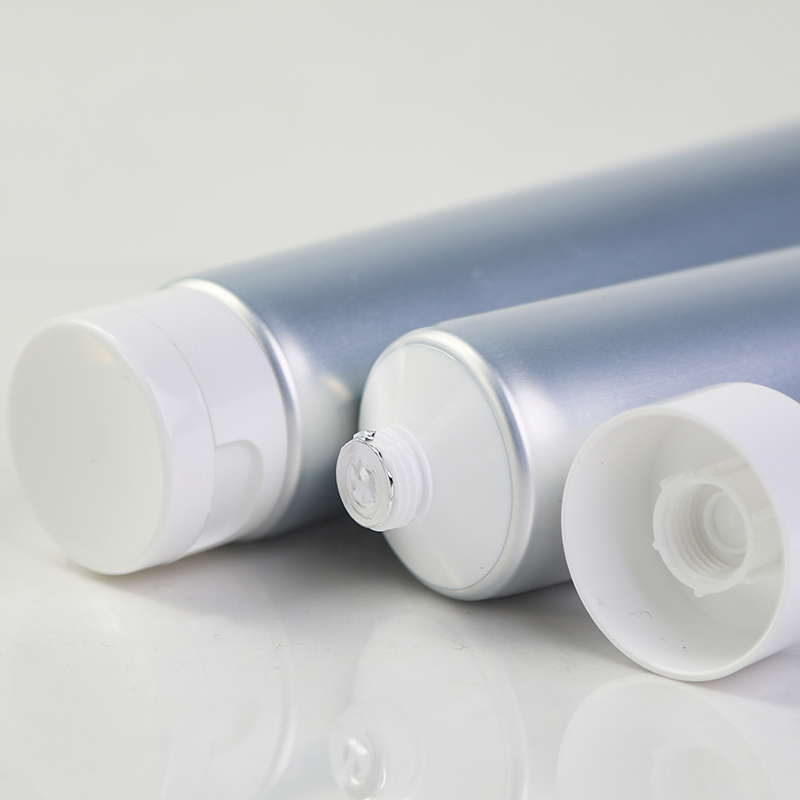
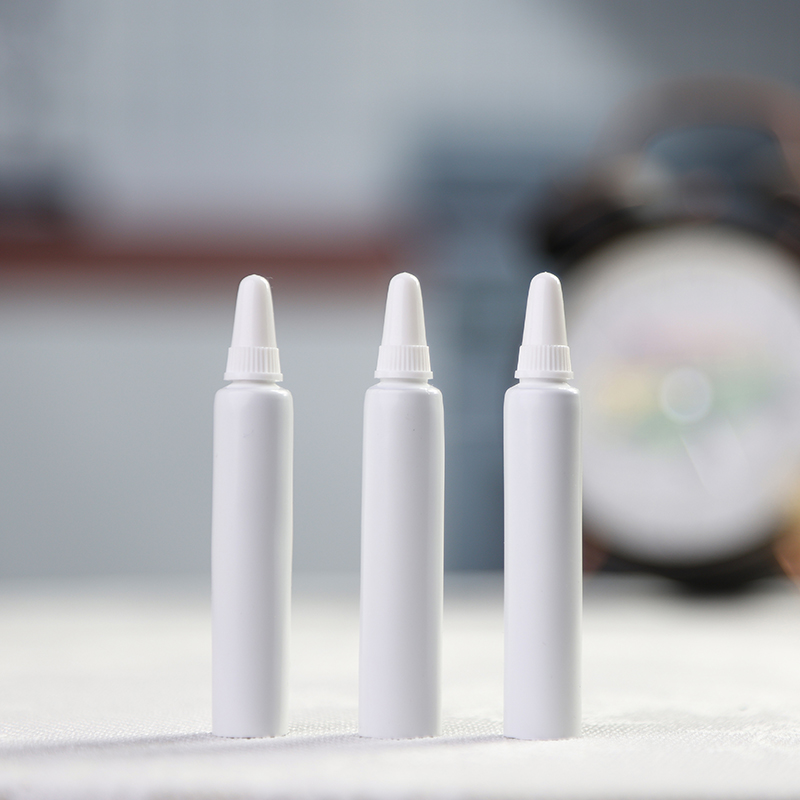
· Full Customization Options: Designed to fit your brand identity and specific application. We support custom tube diameters, capacities (from 10g to 50g or more), extended precision nozzles for spot treatment, and high-definition flexo/offset printing. The standard version (as shown in the image) uses a secure, leak-proof screw cap.
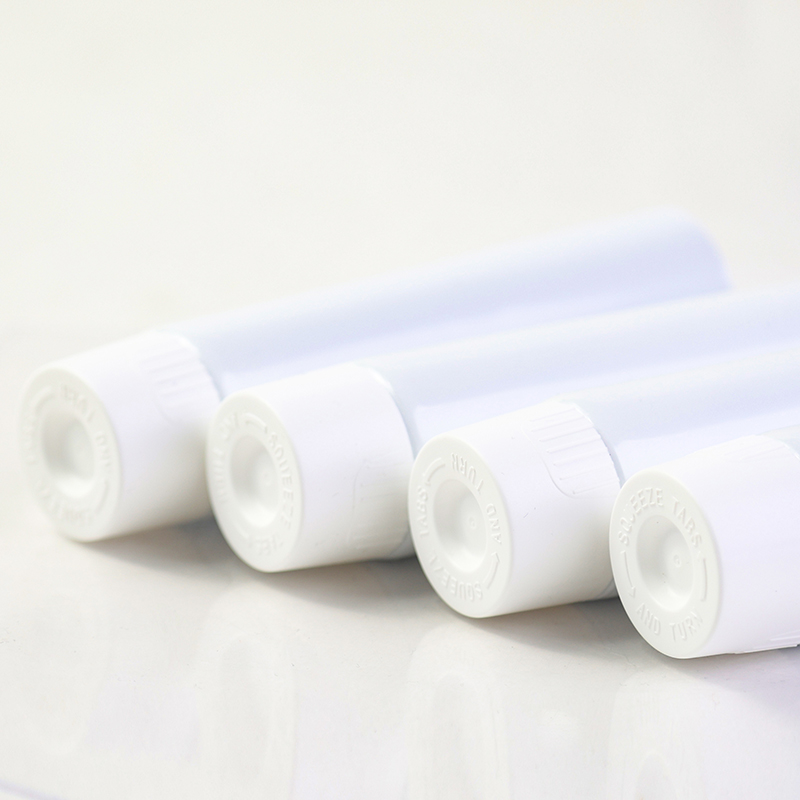
· Optional Child-Resistant (CRC) Closures: For medicated or hazardous formulations requiring pediatric safety, this tube is fully compatible with customizable push-and-turn or squeeze-and-turn CRC caps. We strictly control the neck thread strength and torque window to ensure the cap functions correctly without compromising the tube seal.
· Warm-Fill Resistant Shoulder: Many gels require hot-fill at 50°C–60°C. Our shoulder injection process is optimized with a ≥ 4.0 mm overlap depth and specific resin stiffness to prevent shoulder delamination under thermal stress, eliminating leakage risks during transport.
· GMP Compliance & Sealing: Produced in ISO Class 8 cleanrooms under ISO 15378 (GMP) standards. Every shipment is supplied with a batch-linked Certificate of Analysis (COA). The tube is designed for ultrasonic or high-frequency sealing to guarantee a hermetic tail weld, avoiding the common "scorched exterior, cold weld interior" failure seen with hot-air sealing on barrier tubes.
Pharmaceutical & Medicated Gel Laminated Tubes Applications
Applications
· First-Aid & Burn Gels: High-barrier protection for hydrogels, antiseptics, and wound-care ointments.
· Topical Pharmaceuticals: Dermatological creams, medicated gels, and prescription treatments requiring strict ICH Q1A stability.
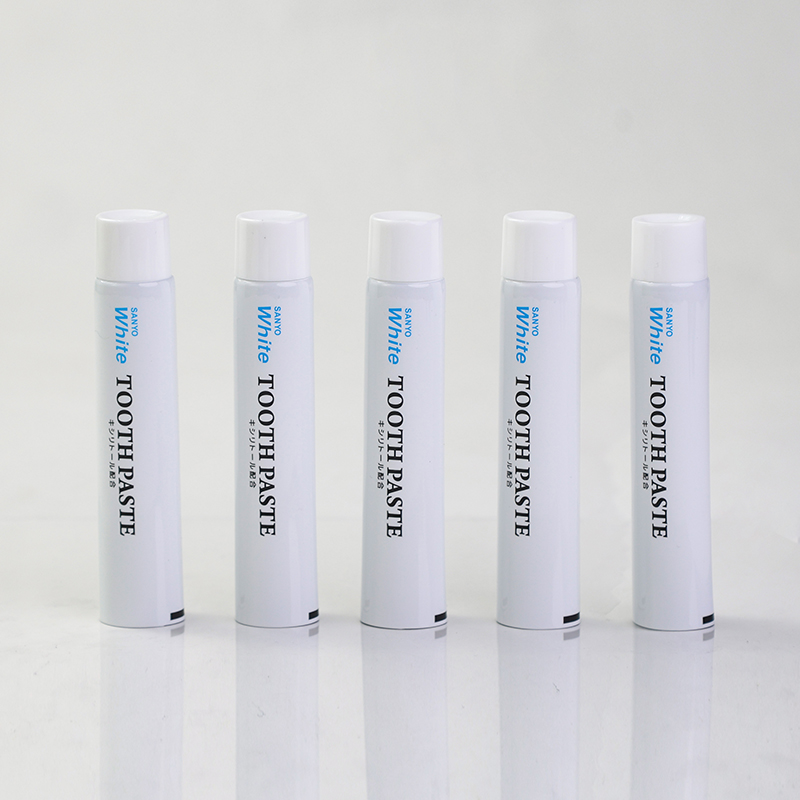
· Oral & Dental Care: Medicated dental gels, oral analgesics, and sensitive toothpaste formulations.
· Veterinary Care: Antibiotic ointments and specialized animal care pastes.
Why Partner With Us?
We know that sourcing medical packaging requires careful validation. To support your procurement process, we provide transparent pricing that separates shoulder tooling fees from the unit price, giving you a clear view of the true landed cost. More importantly, we offer pre-production samples filled with your actual formulation and custom-fitted with your chosen cap, so your R&D team can run real-time stability tests before committing to a bulk order.
For a tailored quote and to discuss your custom cap and printing requirements, please contact our engineering team today.
products faq
It depends entirely on how big your tube is and what you're putting inside it.
If you are making a small 35mm diameter tube for an eye cream or gel, 175µm is perfectly fine—it feels nice and squeezable. But if you put a 175µm tube on a 50mm diameter and fill it with a heavy, dense paste (like a thick epoxy or hairball remedy), it's going to feel flimsy. When boxes are stacked in a hot container, the pressure will cause the tube body to panel or deform.
For anything 50mm and above, we usually tell clients to step up to 200µm or 230µm just to be safe. The aluminum does give it great dead-fold and puncture resistance, but at the extreme low end, you lose the rigidity. Tell us your diameter and fill weight, and we'll tell you exactly where the safe cutoff is.
Let's call a spade a spade: ABL is tough to recycle in standard PE streams, and Europe is getting stricter. Because the aluminum and PE are glued together, it's hard to separate them.But that doesn't mean the sky is falling. If your product is a pharmaceutical, a medical ointment, or an industrial chemical, you can still use ABL because barrier performance is a safety requirement. If you are exporting to the US or Asia, ABL is still king.
However, if you are making mass-market cosmetics or toothpaste for Europe, I would be honest with you: we usually steer our clients toward our Mono-PE or PBL tubes to future-proof their brands. We sell both, so we won't force ABL on you if your market is moving towards single-material recyclable packaging. Let's talk about your destination market and we'll recommend the right structure.
I wish I could say yes, but you will likely run into trouble. Hot-air sealing relies on melting the inner PE layer directly. Because ABL has an aluminum foil layer sandwiched in the middle, the heat transfer is totally different. If you blast it with hot air, the outside will burn before the inside forms a solid weld, and your tails will pop open.
We've had clients try this and waste thousands of tubes. To seal ABL reliably, you really need ultrasonic welding or high-frequency (induction) sealing. If your line is strictly hot-air, ask your machine manufacturer if you can add an ultrasonic module. Or, if your order volume is big enough, talk to our engineers—sometimes we can tweak the PE sealant layer formula to make it slightly more "forgiving" for hot-air lines. But don't run a mass production trial without testing the seal strength first!
While the outer layers are tough, the pure aluminum foil inside will react if you go too extreme.
As a rule of thumb, if your formula is below pH 4 or above pH 9, or if it contains strong ammonia (like some harsh hair dyes), the acid or alkali will eat through the inner PE layer and attack the aluminum. We've seen tubes blister or leak in storage because of this.
But for 95% of products—creams, gels, mild adhesives, and standard toothpaste—our food-grade PE inner layer provides a perfect shield between your paste and the foil. If your R&D team is worried, just ship us a 500g sample of your actual paste. We will fill it into a tube, put it in our 50°C oven for two weeks, and tell you exactly if it's compatible.
We get this question almost every week from clients who are used to 12µm or 20µm. Here is the honest answer from our factory floor: 9µm works perfectly fine, as long as there are zero pinholes.
Aluminum doesn't work like plastic; its barrier property comes from being a solid metal sheet. Whether it's 9µm or 25µm, as long as the foil isn't punctured during our lamination process, the oxygen and moisture barrier is virtually the same.
However, 9µm leaves very little margin for error on the machine. If you are running a highly sensitive product, we usually suggest sticking to 12µm as a safe baseline. But if you want to save cost and our engineers confirm the structure prevents pinholes, 9µm is absolutely reliable. We always send a pinhole test report with the bulk shipment so you don't have to guess.
Related Products
 Child Resistant Aluminum Barrier Laminate Flexible Tube
 ABL Tube‑The Proper Aluminum Laminate Packaging Solution for Pharmaceutical
 ABL-Aluminum Barrier Laminate Tube with Flip Top for Toothpaste
 HAL Holographic Laminate Toothpaste Tube with Full‑Surface Printing
 Custom Cap ABL Laminated Cosmetic Tube
 Soft Laminate ABL Tube with Octagonal Cap for Hand Cream
 ABL Laminate Tube for toothpaste and pharmaceutical
—22mm-Diameter") Laminated Tube (Children's Toothpaste Tube)—22mm-Diameter
 ABL250/12 White Laminate Tube with Full-Diameter Screw Cap for Kids Toothpaste
 Alumi-Plastic Laminate Tube with Screw Cap and Offset-Printed Decoration for Travel-Size Toothpaste
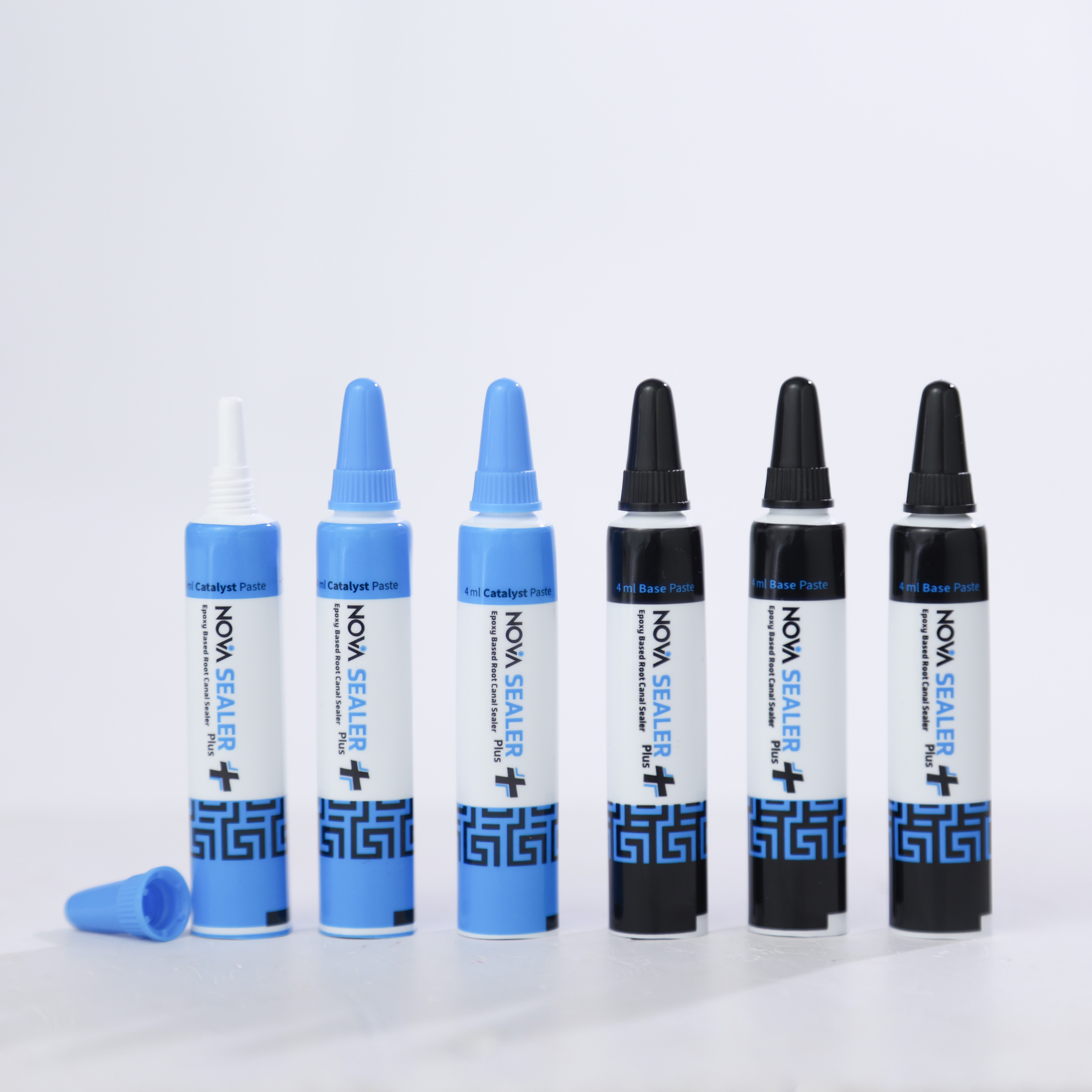
 4ml ABL Precision Nozzle Tube for 2K Adhesives & Catalysts
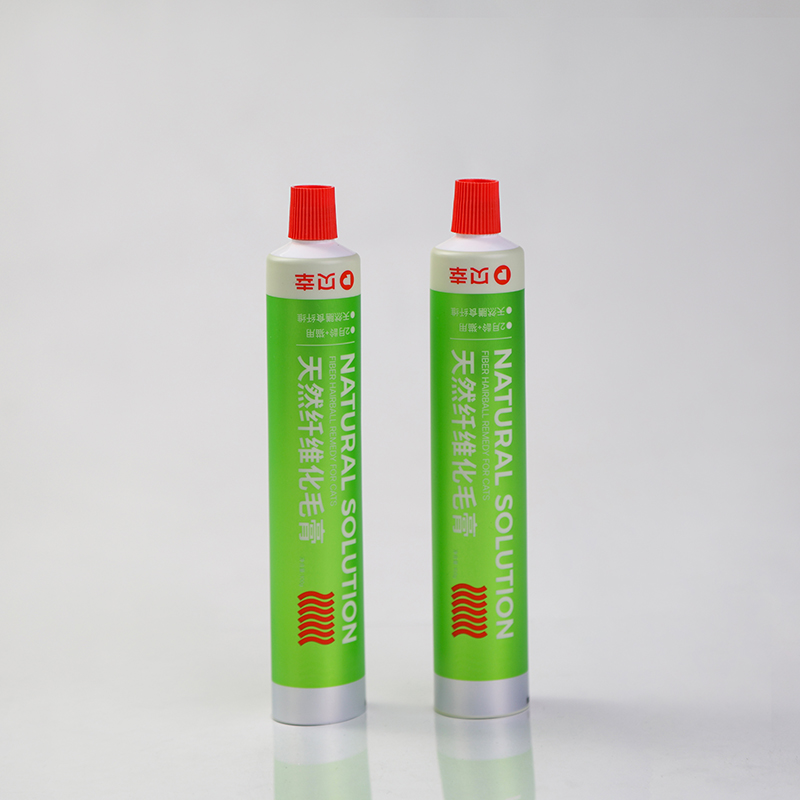
 Premium Multi-Layer Laminated Tubes for Pet Hairball Remedies & Functional Gels
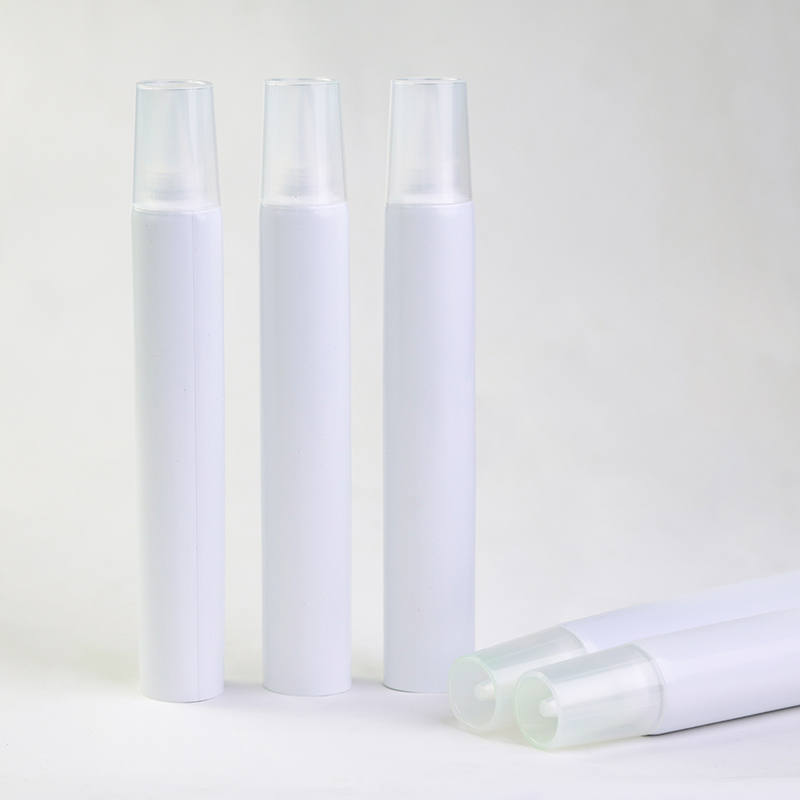
 Pharmaceutical & Medicated Gel Laminated Tubes
 Aluminum Plastic Laminate Tube With Twist-Off Nozzle Tip
 Mini & Travel-Size Composite Tubes
Professional Service
Interested? Leave your contact details.
Search Starts Here