
PRODUCTS
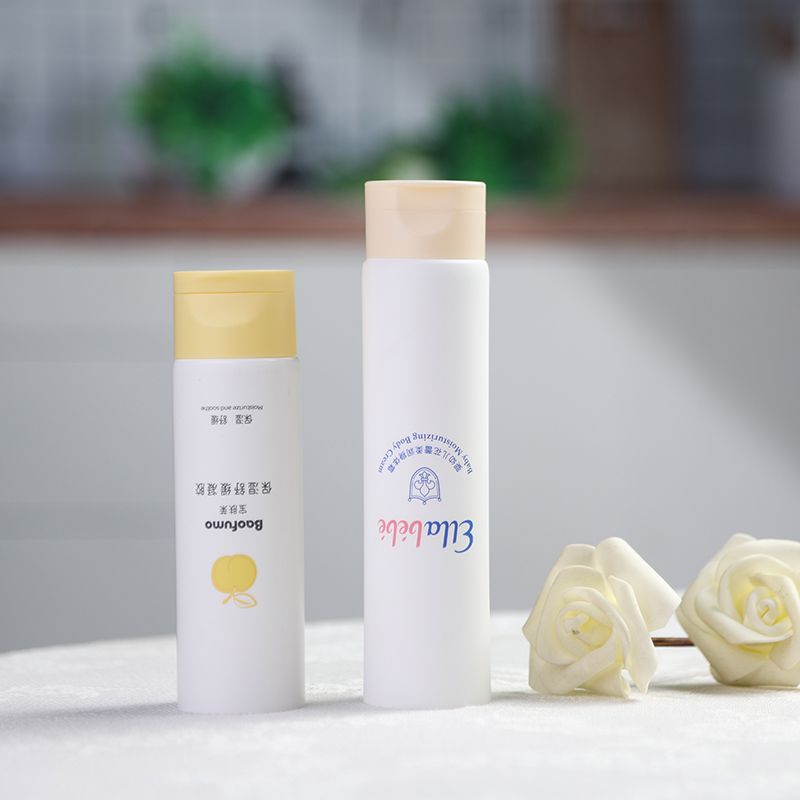
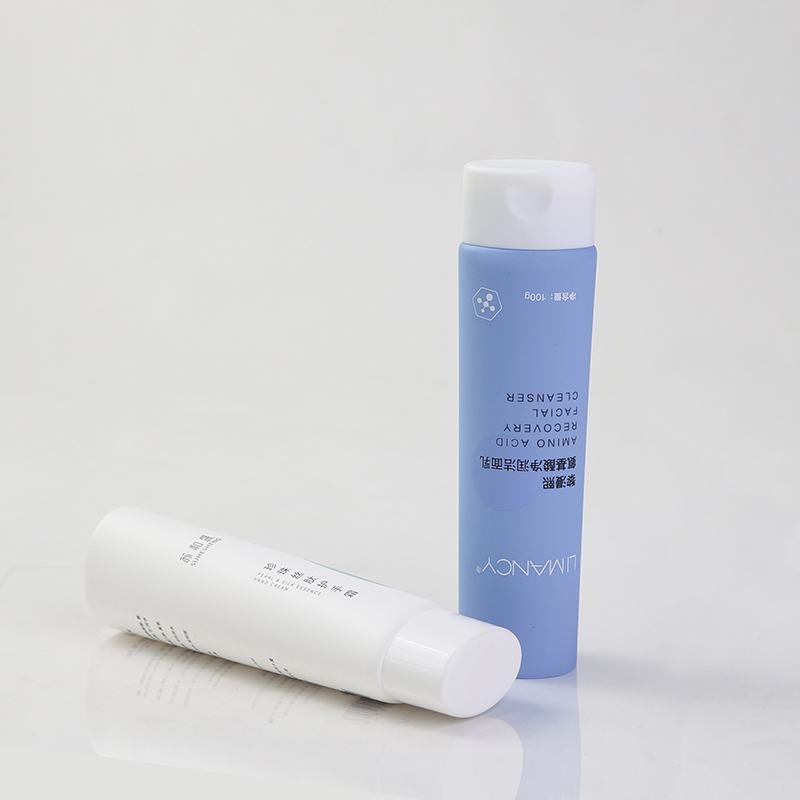
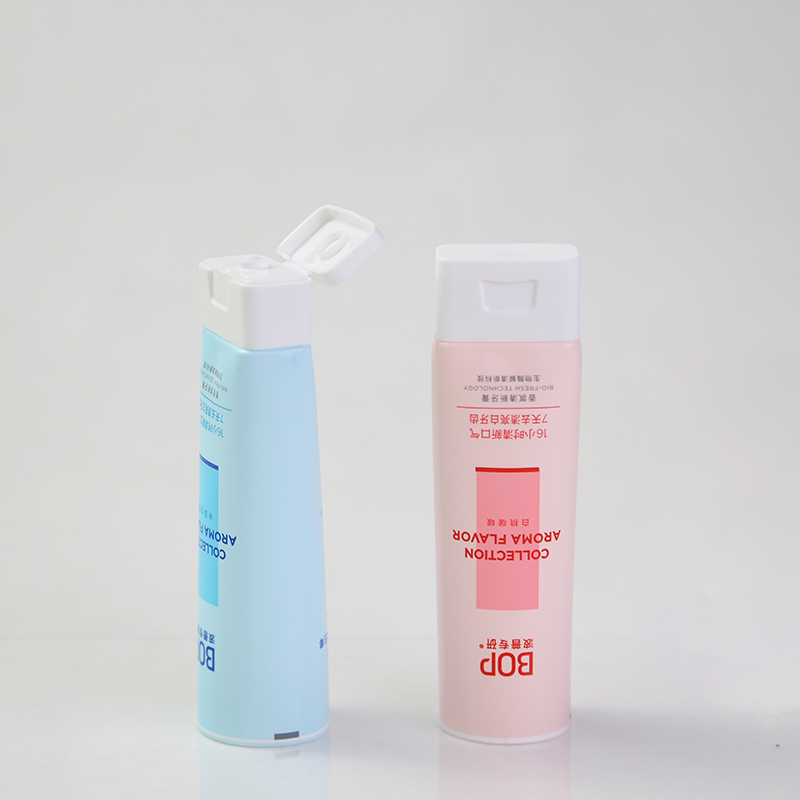
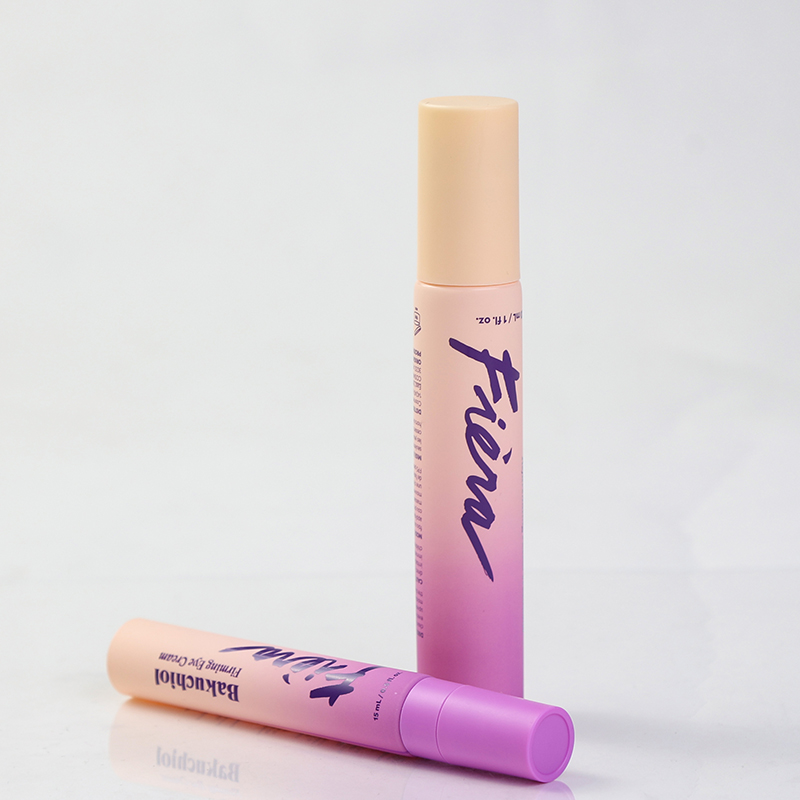
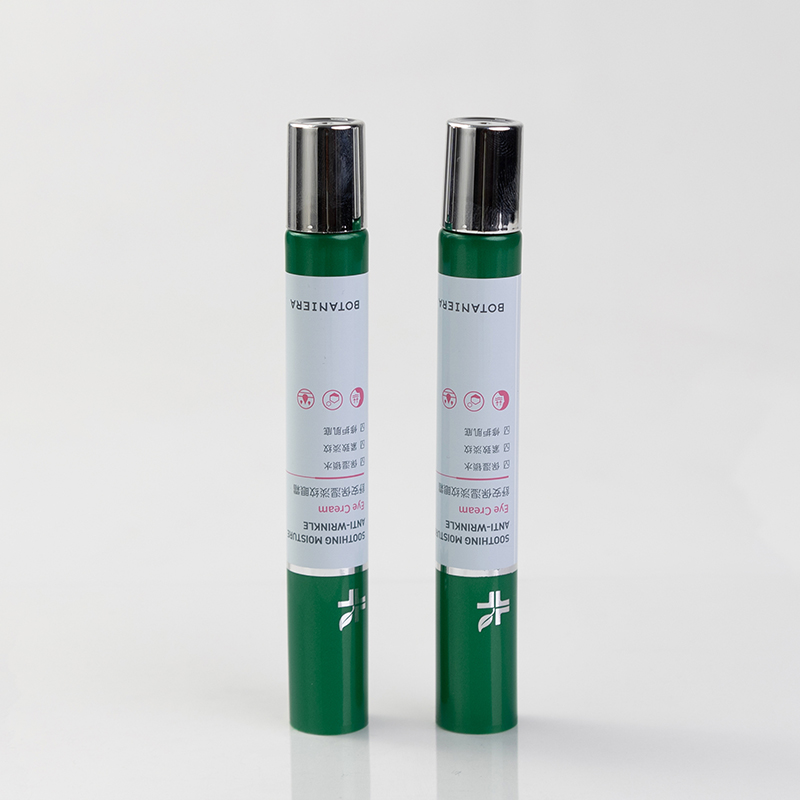
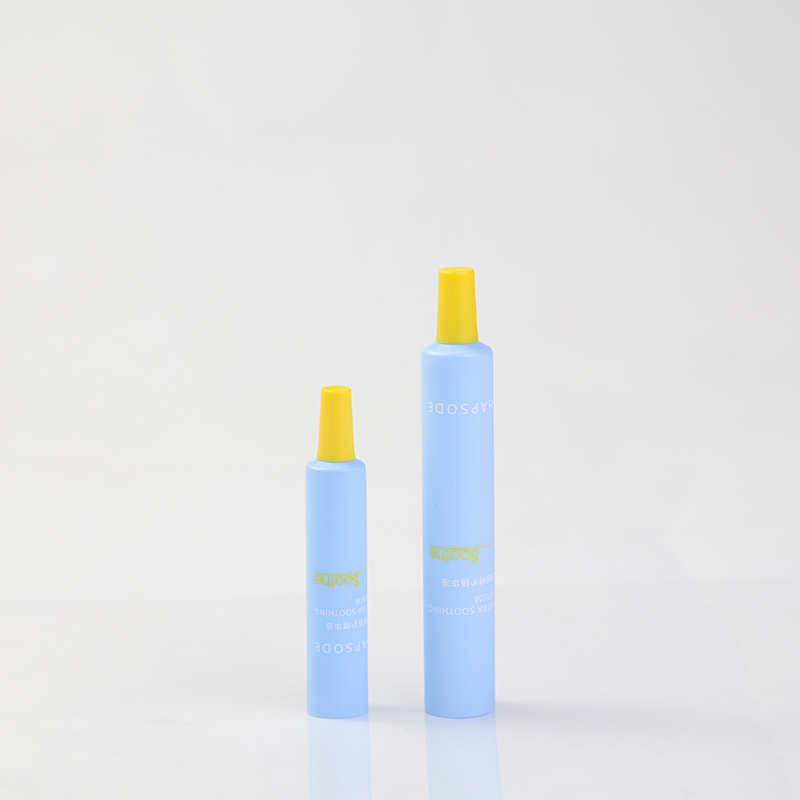
Key Features: What PE Tubes Actually Deliver
The Extrusion Difference
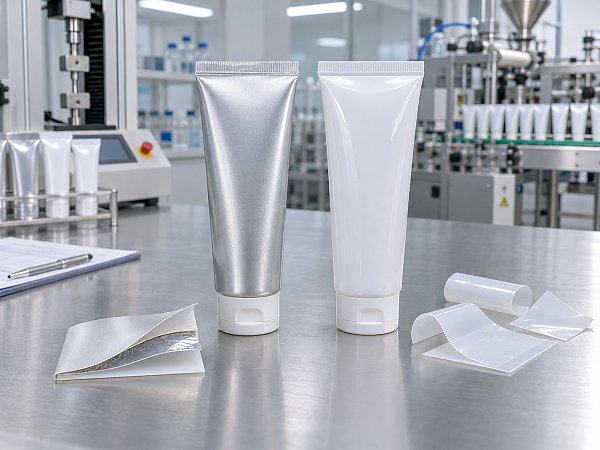
PE tubes are made by extrusion, not lamination. The tube body is a seamless, mono-layer or co-extruded structure—no side weld, no foil layer. This gives two practical advantages:
No delamination risk at the body seam, because there is no seam.
Softer squeeze feel than laminated tubes, which use a stiffer film structure. For products applied by hand under pressure (hand cream, ointment, cleanser), this difference is tactile and immediate.
Co-Extrusion: When You Need More Than Mono-Layer
A standard mono-layer PE tube is sufficient for many cosmetic formulas. But some products need a barrier or adhesion layer without the cost of full lamination. Co-extrusion allows multiple PE-based layers (or PE with a thin EVOH or adhesive tie layer) to be extruded simultaneously into a single wall structure . This is the intermediate option: better barrier than mono-layer PE, lower cost than ABL/PBL, and still a predominantly PE structure.
Flip-Top and Cap Integration
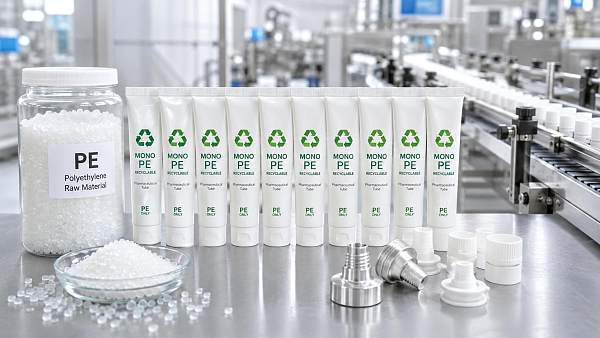
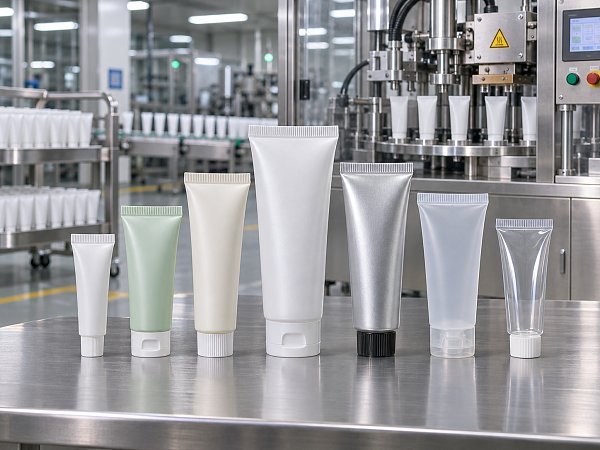
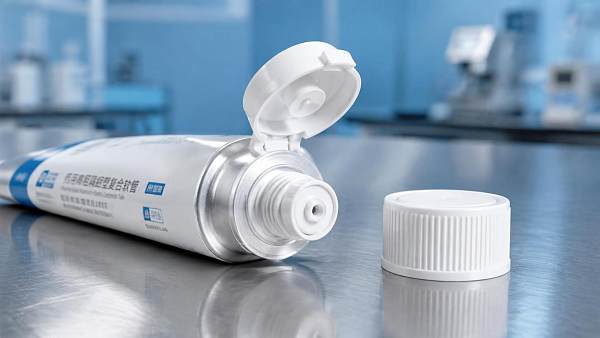
PE tubes are commonly paired with HDPE flip-top caps, which is the dominant closure format for cosmetic squeeze tubes . The cap and tube can be specified as a mono-material PE/HDPE system, which matters for recyclability.
Mono-Material Recyclability: The Practical Advantage
Most laminated tubes (ABL/PBL) combine PE with aluminum foil or EVOH, which complicates recycling. A PE tube with an HDPE cap is a mono-material package—the entire unit can go into the same recycling stream without separation . For brands facing EPR (Extended Producer Responsibility) fees or EU packaging recyclability targets, this is a concrete, verifiable claim rather than a vague “eco-friendly” label.
What PE Tubes Are Not
This is the part most suppliers skip. PE tubes are not a substitute for ABL or PBL in every application. Do not specify PE if:
The formula is oxygen-sensitive (retinol, high-load vitamin C, probiotics). PE has moderate oxygen transmission; it will not protect these actives over a 24-month shelf life.
The formula contains volatile solvents or fragrance oils at high load. PE is permeable to many organic compounds; fragrance notes can migrate through the tube wall and alter the product over time .
The product requires a 24-month+ barrier guarantee for moisture or oxygen. ABL foil remains the standard for that requirement.
The honest positioning: PE is the right tube for moderate-barrier, high-volume, user-experience-driven products. For high-barrier pharma or oxidation-sensitive skincare, specify ABL or PBL.
Applications
Cosmetics & Skincare
Hand creams and body lotions (soft squeeze, large volume)
Cleansers and face washes (rinse-off, moderate barrier)
Sunscreen lotions and after-sun gels
Haircare: conditioner, styling gel, leave-in treatments
Personal Care & Household
Shampoo and conditioner (large format, cost-sensitive)
Shower gel and body wash
Pet care creams and grooming gels
Frequently Asked Questions
Q1: Our formula contains 2% fragrance oil. Is a PE tube suitable, or will the fragrance migrate through the wall?
A: This depends on the fragrance’s solvent carrier and the intended shelf life. PE is permeable to many volatile organic compounds; fragrance notes can partition into and through the tube wall over time . For a 2% fragrance load with a 12–18 month shelf life, a mono-layer PE tube may show noticeable fragrance loss or profile shift. We recommend a co-extruded PE structure with a thin EVOH or barrier tie layer, or a short compatibility trial with your actual fragrance before committing to PE.
Q2: What is the real difference between a co-extruded PE tube and a standard mono-layer PE tube?
A: A mono-layer PE tube is a single PE wall—simplest, lowest cost, and suitable for compatible formulas. A co-extruded PE tube combines multiple layers in one extrusion step: typically a PE outer layer, a barrier or tie layer (EVOH or adhesive), and a PE inner contact layer . This improves barrier performance without moving to full lamination, and it still maintains a predominantly PE structure for recyclability.
Q3: Can you supply a PE tube with a flip-top cap as a mono-material package?
A: Yes. We pair PE tube bodies with HDPE flip-top caps, creating a mono-material PE/HDPE package. This is the format that recyclers can process without separating cap from body . If your brand is targeting EU recyclability guidelines or facing EPR fees, this configuration gives you a defensible claim. We can provide material declarations for both the tube and cap.
Q4: Our product is a thick hand cream. Will a PE tube collapse or lose shape before the product is finished?
A: PE tube wall thickness and resin grade are specified against the fill viscosity and the expected squeeze force. For thick creams, we use a higher-density PE grade or a slightly increased wall thickness to maintain shape recovery after squeezing. A well-specified PE tube should return to its approximate original shape after each use, not stay collapsed. Tell us your fill weight and viscosity range, and we will recommend the matching tube wall specification.
Q5: What is your MOQ for custom-printed PE tubes, and can we order unprinted samples for a filling trial?
A: Custom-printed PE tubes follow the same MOQ structure as our laminated tubes: typically 30,000 to 50,000 pieces per SKU for rotogravure printing. For filling and compatibility trials, we can supply unprinted PE tubes at lower quantities. If your trial requires custom-printed samples, a plate fee applies, which is deducted from the mass production order.
 How order quantity affects wholesale toothpaste tube pricing
 Are recyclable materials changing Pharmaceutical Tube packaging?
") ABL Laminated Tubes: The Complete B2B Selection Guide (2026)
 Navigating Complex Formulations: How Shanghai Pactek Industries Co., Ltd Delivers Reliable Custom Packaging Across Industries
 How does closure design affect Pharmaceutical Tube usability?
 How to Choose the Right Packaging for Industrial Adhesives and Sealants?
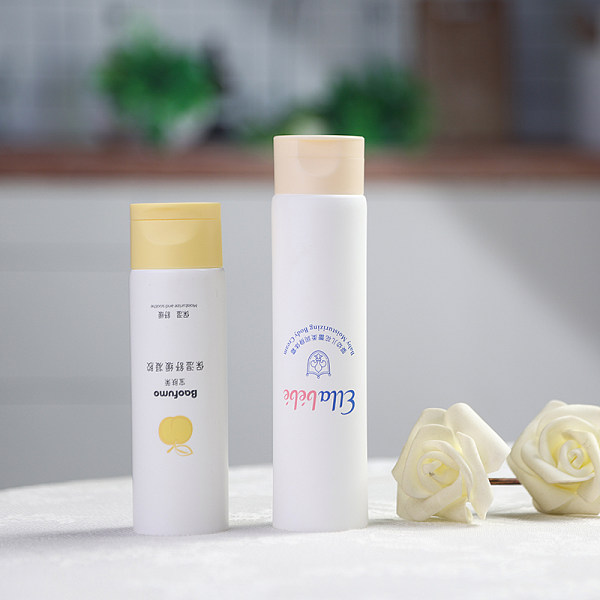
 Soft Laminate ABL Tube with Octagonal Cap for Hand Cream
 Professional PE Squeeze Tubes for Toothpaste & Personal Care — HDPE Extruded Packaging for High-Speed Filling Lines
 New Eye Care Pearl Tube with 3-in-1 Massage Balls
 Professional PE Squeeze Tubes for Toothpaste & Personal Care Packaging
 Smart Co-extrusion Soft Tube with Functional Head
 Diameter 35mm Matt Finish Co-extrusion Tube with Big Flip Top
 HAL Holographic Laminate Toothpaste Tube with Full‑Surface Printing
—22mm-Diameter") Laminated Tube (Children's Toothpaste Tube)—22mm-Diameter
 Premium Multi-Layer Laminated Tubes for Pet Hairball Remedies & Functional Gels
 Pharmaceutical & Medicated Gel Laminated Tubes
Professional Service
Interested? Leave your contact details.
Search Starts Here