
From Our Factory Floor: A Practical Guide for Brand Owners and Procurement Teams
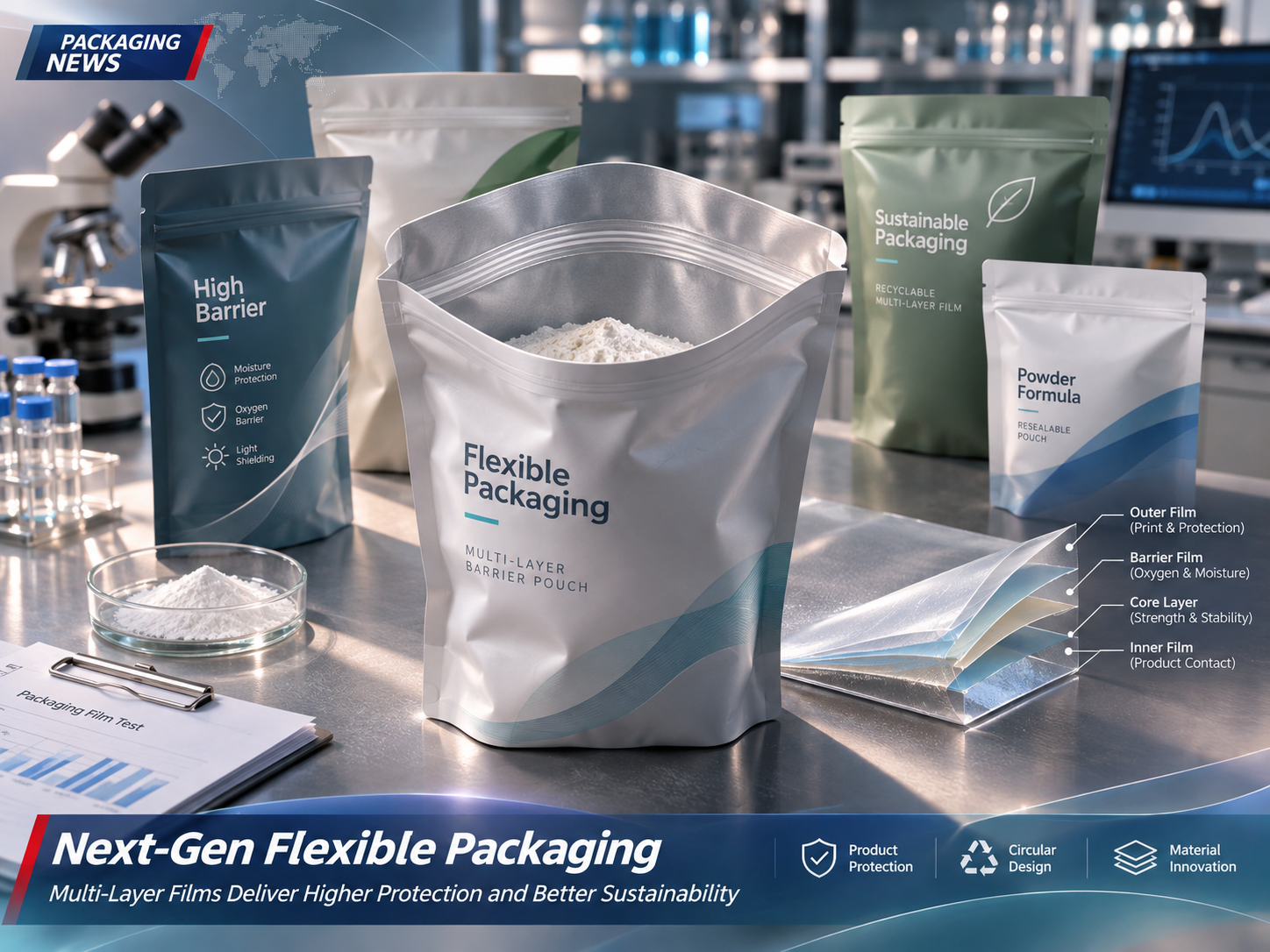
A clear PET/PE zipper pouch and a foil laminate zipper pouch can look identical on a shelf. They are not. The clear pouch lets through roughly 1,000 times more oxygen than an intact foil structure. For pasta or hard candy, that difference is irrelevant. For roasted nuts, ground coffee, or a protein powder with a 12-month shelf life, it is the difference between a product that survives and one that comes back as a complaint.
The barrier layer is the one decision in zipper pouch specification where under-specifying and over-specifying cost roughly the same—one in returns, the other in unit price. Here is how we walk buyers through it on the factory floor.
1. Start with the Failure Mode, Not the Film Name
Before anyone says “foil” or “EVOH” or “metallized,” ask one question: what will kill this product first?
Oxygen-driven rancidity(oils, nuts, coffee, fatty powders)→ You need an oxygen barrier. OTR is the governing number.
Moisture-driven caking or softening(powders, dried fruit, crackers, supplements)→ WVTR governs.
Aroma loss or odor ingress(coffee, tea, strong-smelling pet treats)→ Seal integrity at the zipper interface matters as much as the film barrier.
Light-driven degradation(certain vitamins, oils, pigments)→ No clear film blocks light. You need foil or an opaque metallized structure with sufficient print coverage.
A product can have more than one failure mode. Coffee, for example, is both oxygen-sensitive (staling) and aroma-sensitive (volatile loss). That is why the default coffee structure is PET/AL/PE or a high-barrier metallized laminate, not a clear film with a thin EVOH layer.
2. The Barrier Layer Matrix: What Each Option Actually Delivers
Here is the practical matrix we use to match barrier type to product risk. The numbers are typical published ranges for common gauges, measured at standard test conditions—your specific structure and supplier will vary, but the order of magnitude is what matters for selection.
The rule we give buyers: If OTR needs to be below 1 cc/m²/day and the product contains oils or oxygen-sensitive actives, foil is the only structure that reliably delivers it. If OTR in the 1–5 range is acceptable and the product is dry, EVOH or oxide-coated clear films are viable—but you must test the finished pouch, not just the flat film.
3. The Two Things That Break a “Good” Barrier Specification
a. The zipper-to-film heat-seal interface.
This is the failure mode that most briefs never mention and most QC rejections trace back to. The seal between the zipper track and the film substrate requires a heat-seal layer of at least 60µm LLDPE or CPP to achieve consistent peel strength above 3.5 N/15mm. Below that threshold, field failures appear in roughly 1 in 8 pouches during drop testing. A high-barrier film with a weak zipper seal is not a high-barrier pouch. When you specify barrier, specify the zipper seal strength on the finished pouch, not the flat film OTR alone.
b. Foil flex-cracking and pinholes.
Aluminum foil delivers the best barrier against gases, moisture, and light—but it is susceptible to pinholes and flex-cracking. If your pouch is subjected to rough handling, drop impacts, or repeated flexing near the zipper, a foil structure that reads “OTR < 0.1” on a flat sample may develop local leaks in the field. For e-commerce and parcel shipping, this is a real risk. A metallized structure with a slightly higher flat OTR but better flex durability can outperform foil in actual distribution.
4. A Practical Selection Sequence
When a buyer sends us a product brief, we run this sequence before quoting:
What is the shelf life target and distribution environment? A 6-month domestic dry good and a 24-month export product do not need the same barrier.
What is the dominant failure mode? Oxygen, moisture, light, or aroma—rank them. This decides whether OTR or WVTR is the primary specification.
Does the product need to be visible? If yes, foil is out; EVOH or oxide-coated clear films are the candidates, with the humidity limitation noted.
How will the pouch be handled? E-commerce drop risk, frozen distribution, or retail shelf only—this decides whether foil flex-cracking is a real concern or a theoretical one.
Specify the zipper seal on the finished pouch, not just the film. Ask for peel strength data(N/15mm)on the zipper-to-film interface, not only OTR/WVTR on the flat film.
Can't find what you're looking for ?
Leave a Message we will call you back quickly!
Product Classification
Professional Service
Interested? Leave your contact details.
Search Starts Here