
PRODUCTS
What Defines the 19mm Format
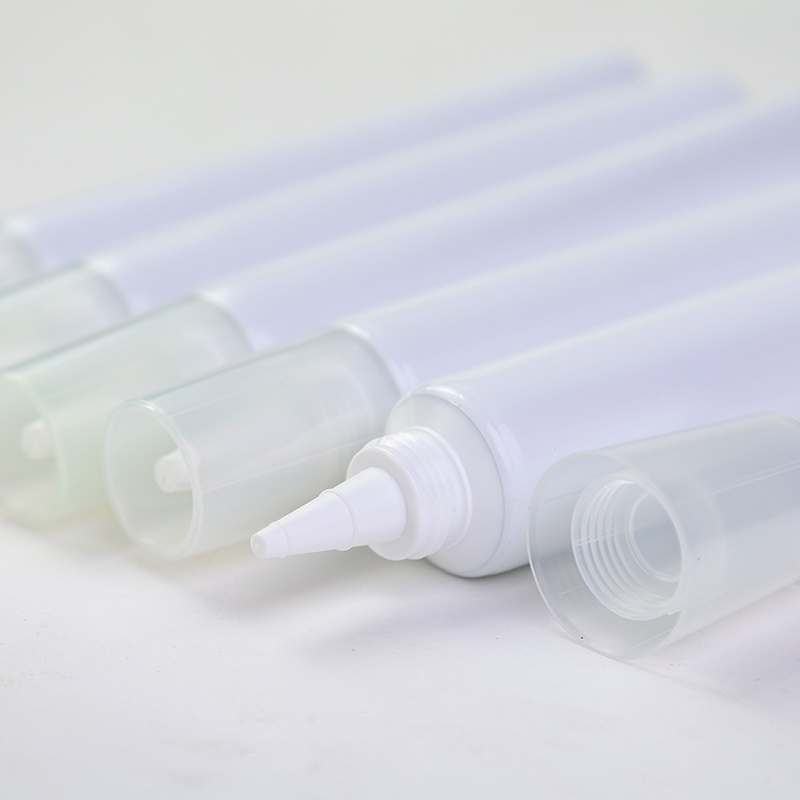
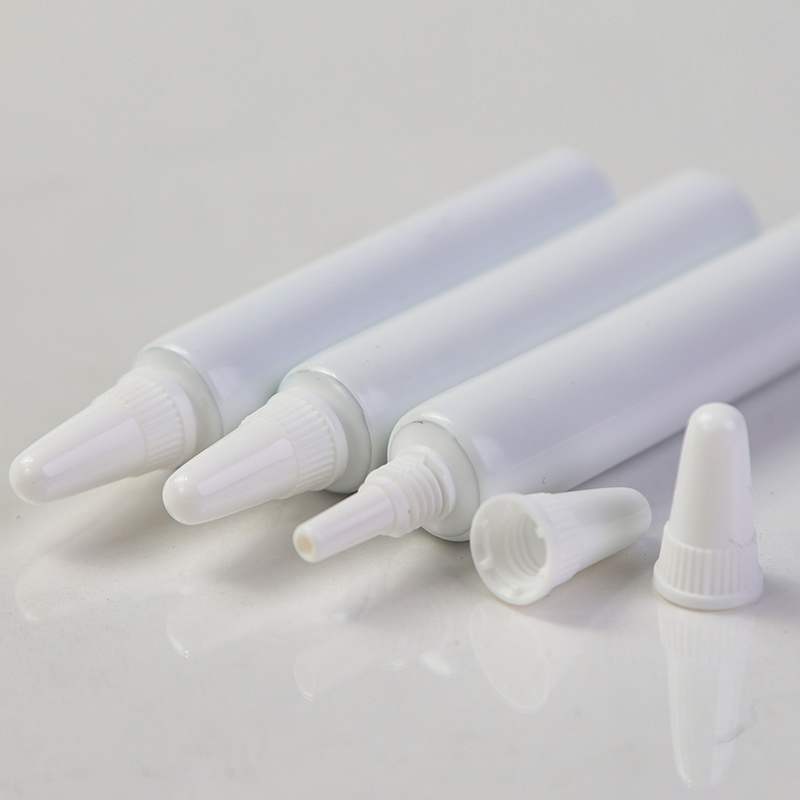
The 19mm designation refers to the outer diameter of the tube body. At this width, the dispensing orifice produces a narrower, more controlled flow than the 30mm to 35mm diameters typical of mass-market cosmetic tubes. This single dimensional change alters three aspects of package performance.
Dosing control. The orifice releases a smaller volume per squeeze. For topical pharmaceutical products, this narrows the margin of application error—under-application reduces efficacy, while over-application increases the risk of local irritation and systemic absorption, particularly with corticosteroid formulations where cumulative dose matters.
Post-opening stability. Every squeeze-and-release cycle draws air back into the tube. A narrower orifice admits less air per cycle, slowing oxidation of sensitive actives during the three to six month in-use period that follows opening. This is the phase most often overlooked in barrier specification, which typically focuses on pre-opening shelf life.
Channel positioning. The slender profile is a recognized specification in pharmacy and dermatologist-dispensed products. For brands positioning a formulation as a medical treatment rather than a mass-market cosmetic, the format reinforces that positioning before the consumer reads the label.
Barrier Structure and Formulation Compatibility
The five-layer configuration—PE, adhesive, EVOH, adhesive, PE—places the oxygen barrier between two polyethylene layers. The inner PE layer provides chemical compatibility with the formulation and heat-seal capability at the crimp. The outer PE layer provides print substrate and moisture resistance. The central EVOH layer blocks oxygen transmission.
This structure is specified for formulations containing vitamin C and other oxidation-prone antioxidants, retinol and retinaldehyde, peptide complexes, sunscreen filters requiring oxygen stability to maintain labeled SPF, and natural extracts formulated without synthetic preservative systems.
A three-layer structure may be sufficient—and more cost-effective—for stable formulations that do not contain oxygen-sensitive actives. Barrier selection should be based on the specific actives in the formula, not on a default specification.
Formulations containing essential oils, high concentrations of natural actives, or unusual pH levels may interact with the inner polyethylene layer. Accelerated stability testing with your specific formulation is recommended before committing to a production run.
Cap and Closure Options
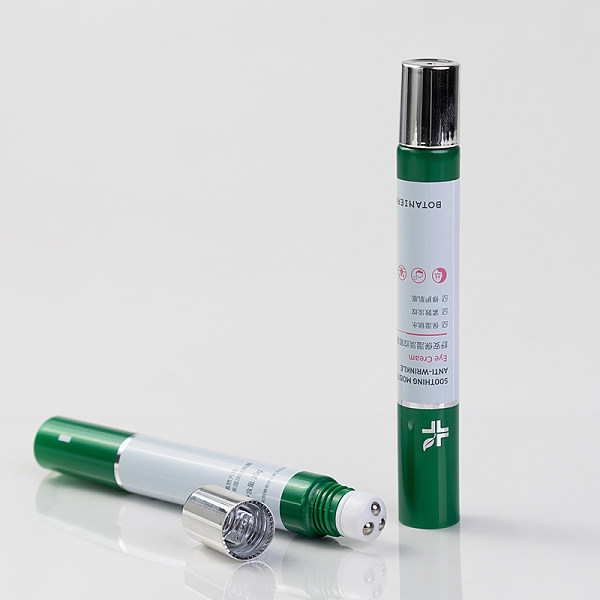
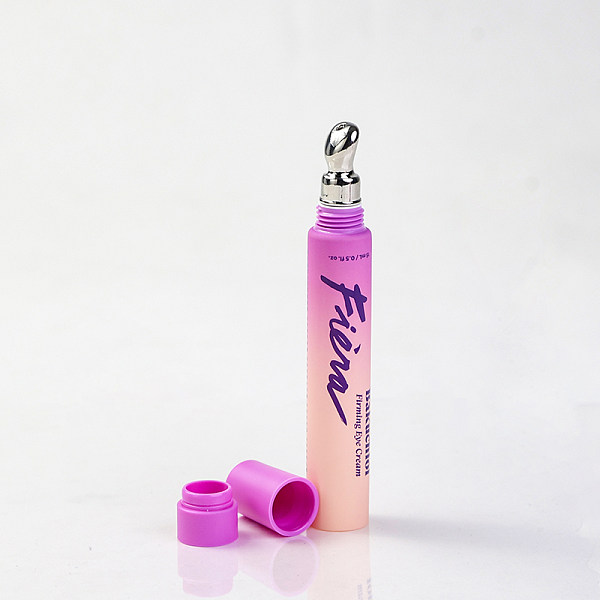
Screw caps provide the strongest seal and suit products with extended in-use periods or those containing volatile components. Flip-top caps allow one-handed opening and suit products requiring frequent access. Disc-top caps meter the flow of thicker creams. Nozzle applicators enable targeted delivery to specific skin areas and are common in medicated and eye care formats.
Print Methods at 19mm Diameter
Silk screen printing, offset printing, and hot stamping are all available at this diameter. The reduced circumference limits usable print area compared to wider formats—artwork should be planned with this constraint in mind, particularly for designs requiring extensive ingredient lists or regulatory text.
Available Capacities
15ml, 30ml, 50ml, 100ml, 150ml, and 200ml. The 15ml to 30ml range is typical for eye treatments and trial sizes. The 50ml to 100ml range suits most topical pharmaceutical creams and concentrated serums. Capacities above 100ml are used for larger-format SPF products and body treatments.
 Why Pharmaceutical Brands Are Shifting From Wide-Mouth Tubes to 19mm Formats
 Which Tests Check Formula Compatibility With ABL Tubes?
 How Do You Choose a Laminate Web for Cosmetic Tubes?
 How to choose a cosmetic tube for hair color compatibility
 What Barrier Data Should Brands Request for Cosmetic Laminates?
 How Do Buyers Rate the Quality of Pactek's Laminate Webs?
Professional Service
Interested? Leave your contact details.
Search Starts Here