
PRODUCTS
Key Features: The Physics of Precision
Orifice Diameter Controls the Dose, Not the Label
The narrow channel inside a long nozzle physically restricts flow volume. A standard wide-orifice tube releases product in a rush; a precision long nozzle forces the formula through a tapered cannula, producing a controlled bead or drop. For low-viscosity serums, a smaller orifice prevents the “sudden gush” that wastes product and contaminates the application site.
The Anatomy of a Long Nozzle Tube
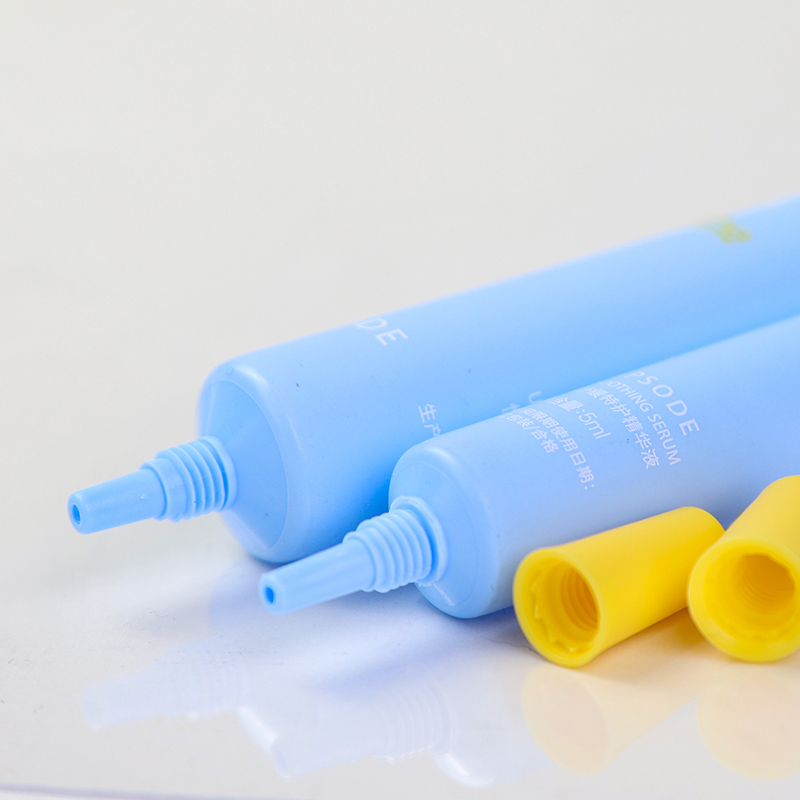
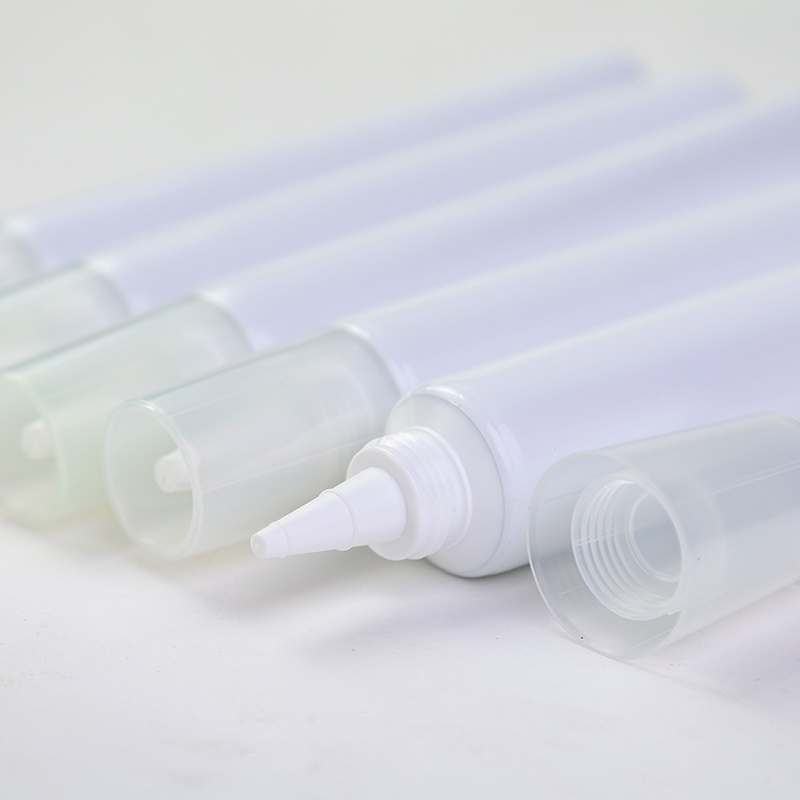
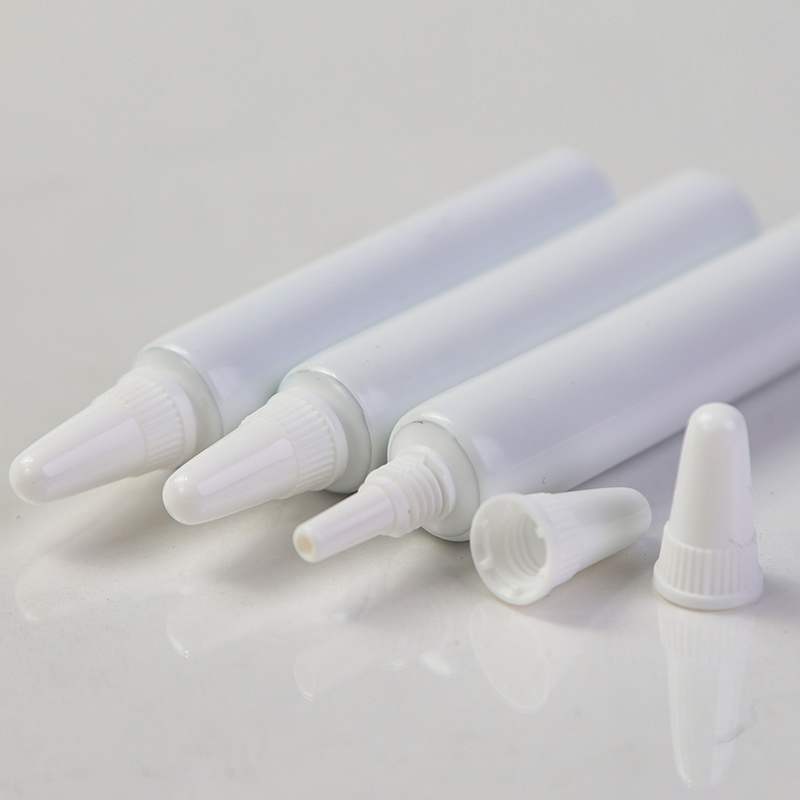
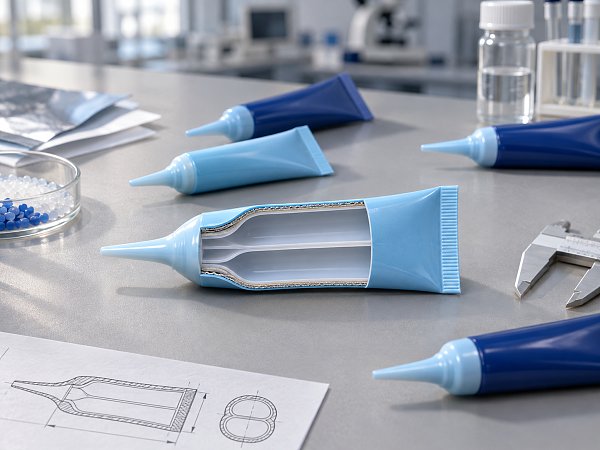
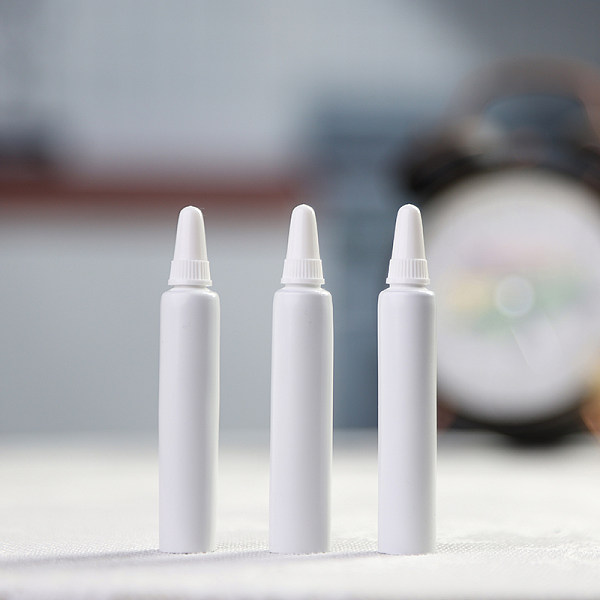
Elongated cannula: Molded directly into the shoulder or fitted as a separate component. The length provides reach without the consumer’s fingers touching the application area.
Tapered internal channel: Gradually reduces diameter toward the tip, maintaining smooth flow without dead zones where formula can accumulate and oxidize.
Precision orifice: Typically 2mm–5mm depending on viscosity and dose target. We specify this based on your fill weight and application requirement.
Shoulder integration: The nozzle-to-shoulder weld is the most common failure point in long nozzle tubes. We use reinforced shoulder geometry and ultrasonic welding to prevent micro-leaks at this junction.
Why ABL Barrier Matters for Long Nozzle Applications
Long nozzle tubes are disproportionately used for high-value, low-volume products: eye creams, spot treatments, pharmaceutical gels. These formulas often contain oxidation-sensitive actives (retinol, vitamin C, benzoyl peroxide). The ABL aluminum foil layer delivers OTR < 0.05 cc/m²/day and WVTR < 0.1 g/m²/day, protecting the formula throughout its shelf life despite the small fill volume.
Common Sizes and Configurations
Note: Orifice diameter is specified per formula, not per tube diameter. A 19mm tube can be fitted with different nozzle tips depending on whether the fill is a thin serum or a thick ointment.
Applications
Cosmetics & Skincare
Eye creams and serums requiring precise under-eye application
Acne spot treatments where targeted dosing prevents over-application
Lip essences and glosses with controlled flow
Sunscreen sticks and BB creams needing even, mess-free dispensing
Pharmaceutical & Medical
Topical ointments and gels with narrow application sites
Vaginal and rectal gels requiring hygienic, no-contact delivery
Veterinary creams for localized treatment
Pediatric medications where dose accuracy is critical
Factory Notes: What Buyers Get Wrong
“We’ll just specify a long nozzle cap.”
A long nozzle is not a cap style. It is a shoulder-and-nozzle assembly that must be engineered together with the tube body. Retrofitting a long nozzle cap onto a standard shoulder creates a leak path at the joint and a flow restriction that may not match your formula.
“Any orifice size will work.”
It won’t. A 5mm orifice on a low-viscosity serum produces a stream, not a drop. A 2mm orifice on a thick ointment creates back-pressure that bursts the shoulder weld. We specify orifice diameter against fill viscosity and target dose weight, and we test with your actual formula.
Frequently Asked Questions
Q1: Can we use your long nozzle tubes for both low-viscosity serums and thick ointments?
A: Yes, but the nozzle specification changes. For low-viscosity serums, we use a smaller orifice (typically 2–3mm) to prevent uncontrolled flow. For thick ointments, a larger orifice (4–5mm) reduces back-pressure. We specify the nozzle based on your fill viscosity, not the tube diameter. Send us your formula’s viscosity range and target dose per application, and we will recommend the matching nozzle geometry.
Q2: What is the most common failure point in long nozzle tubes, and how do you prevent it?
A: The nozzle-to-shoulder junction is the weakest point. A poorly welded or misaligned nozzle creates a micro-leak path that only appears under pressure or after temperature cycling. We use reinforced shoulder geometry and ultrasonic welding, and we pressure-test every production batch at the nozzle joint before shipping.
Q3: Do long nozzle tubes work on standard high-speed filling lines?
A: They do, but the filling nozzle and the tube nozzle are different components. Your filling machine’s nozzle enters the tube from the open bottom end during fill, then the bottom is sealed. The long nozzle is at the top of the tube and does not interfere with bottom-fill operations. However, the tube’s shoulder orientation and the cap presence can affect gripper handling—we recommend machine trial with production samples before bulk order.
Q4: What is your MOQ for custom-printed long nozzle ABL tubes?
A: Because long nozzle tubes are typically small-diameter, high-value products, our standard MOQ is 30,000 to 50,000 pieces per SKU for custom printing. For standard unprinted samples for machine trials, we can supply smaller quantities. The sampling fee for printed trial runs is deducted from your mass production order.
Q5: Can you supply the long nozzle in a material other than ABL?
A: Yes. We manufacture long nozzle tubes in PE (for cost-sensitive applications where barrier requirements are moderate) and PBL (for acidic formulas that would corrode aluminum). The nozzle mechanism is the same across materials; the barrier layer changes. Tell us your formula’s sensitivity (oxygen, moisture, acid) and we will specify the matching tube body.
") ABL Laminated Tubes: The Complete B2B Selection Guide (2026)
 Can a 4ml Laminate Tube Keep Two-Part Adhesive Components Separate?
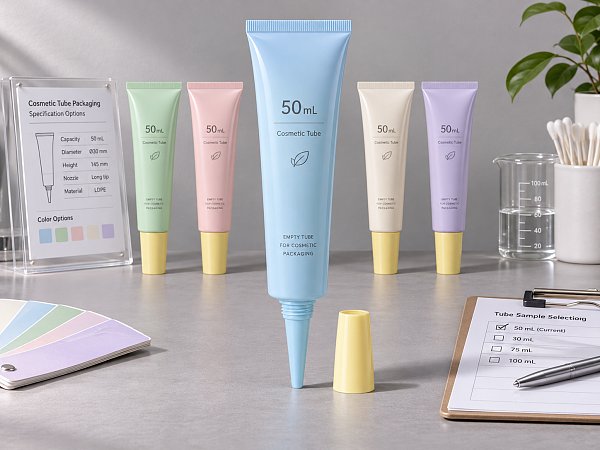
 How Much Does a 50ml Long-Nozzle Cosmetic Tube Cost, and What Is the MOQ?
 How Should ABL Tube Quality Requirements Be Set in a Contract?
 What Is the Minimum Order Quantity for Custom ABL Tubes?
 Pharmaceutical Laminated Tubes: A Procurement Guide to Barrier, Compliance, and Total Cost
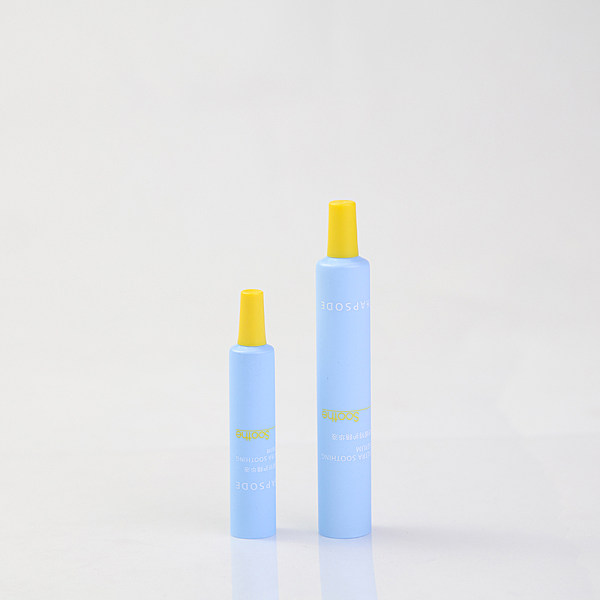
 Mini & Travel-Size Composite Tubes
 Aluminum Plastic Laminate Tube With Twist-Off Nozzle Tip
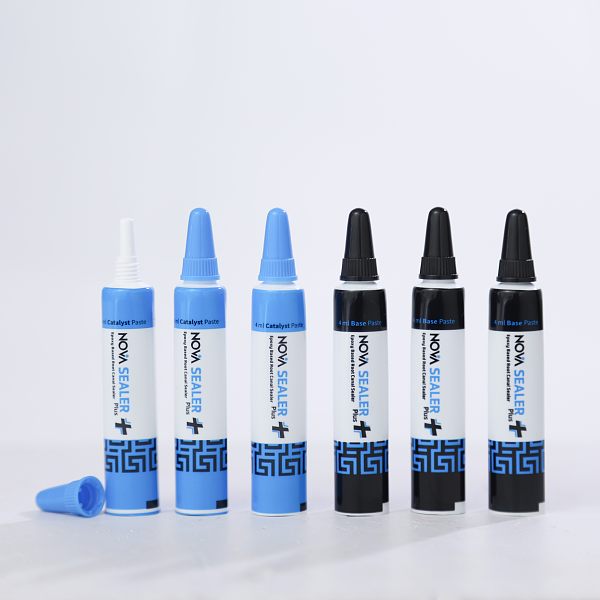
 4ml ABL Precision Nozzle Tube for 2K Adhesives & Catalysts
 Customized Long Nozzle Extrusion Tube with Soft-Touch Finish
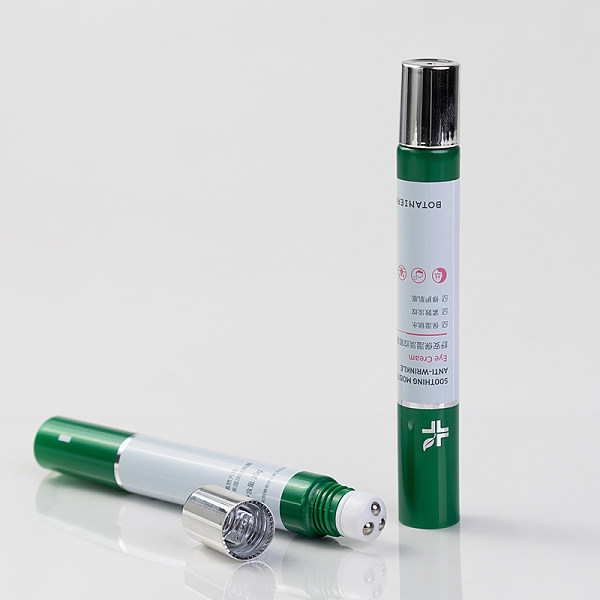
 New Eye Care Pearl Tube with 3-in-1 Massage Balls
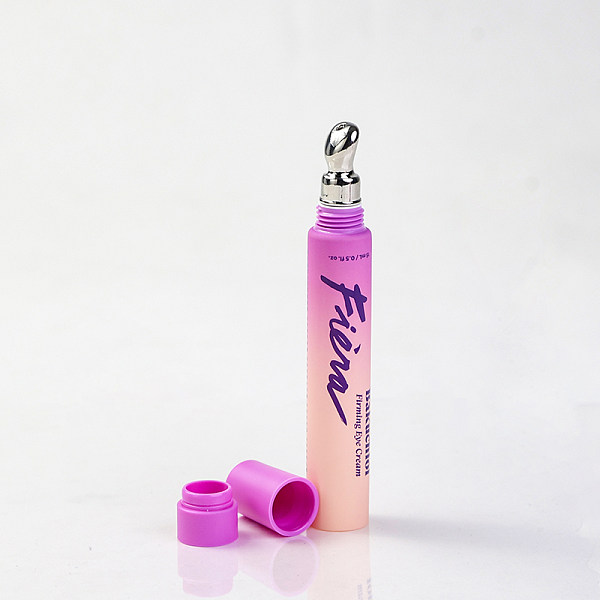
 Smart Co-extrusion Soft Tube with Functional Head
Professional Service
Interested? Leave your contact details.
Search Starts Here