
PRODUCTS
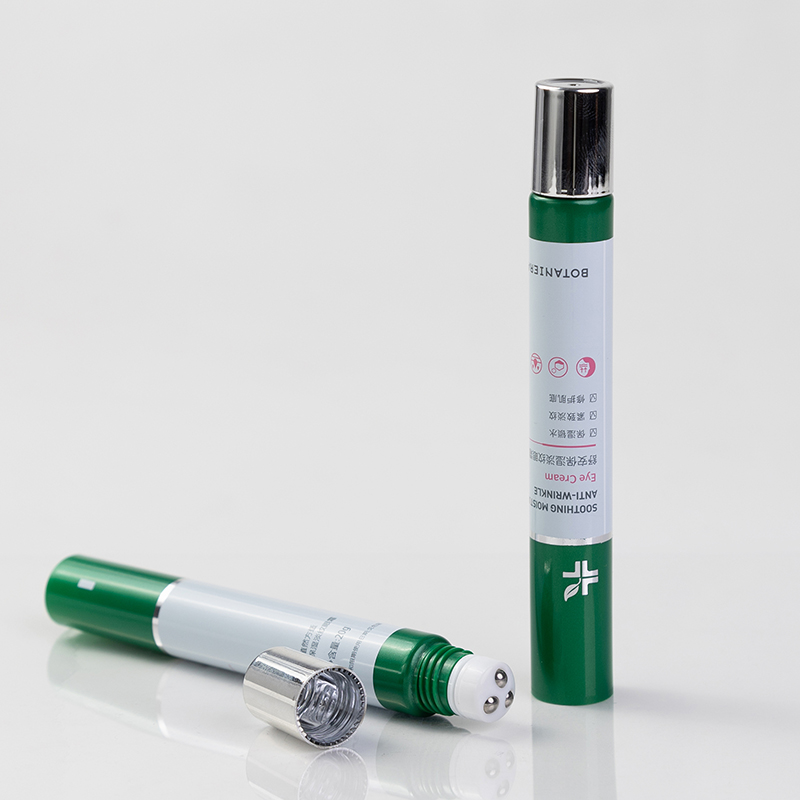
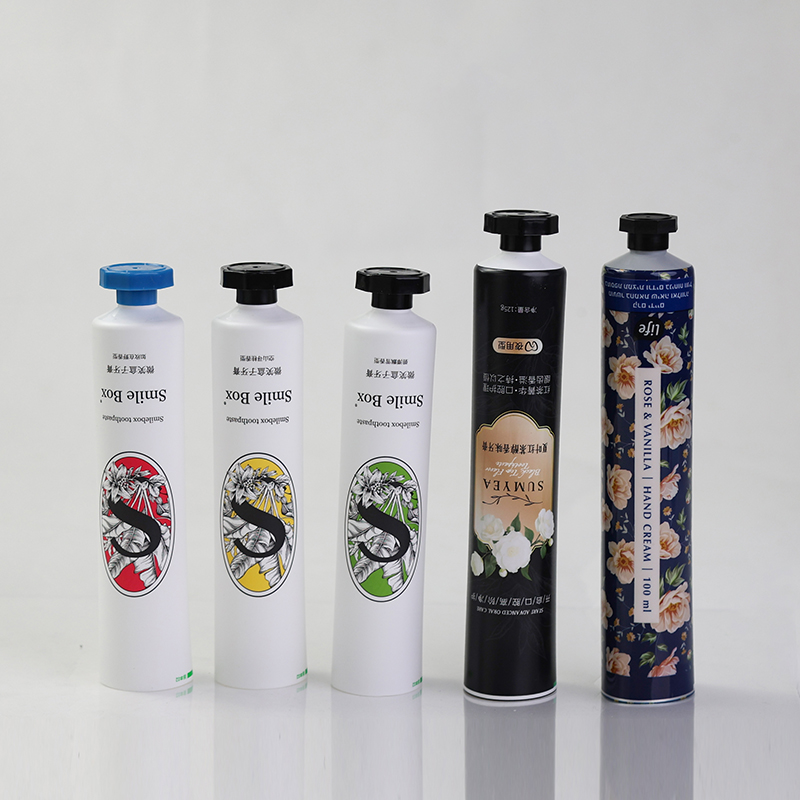
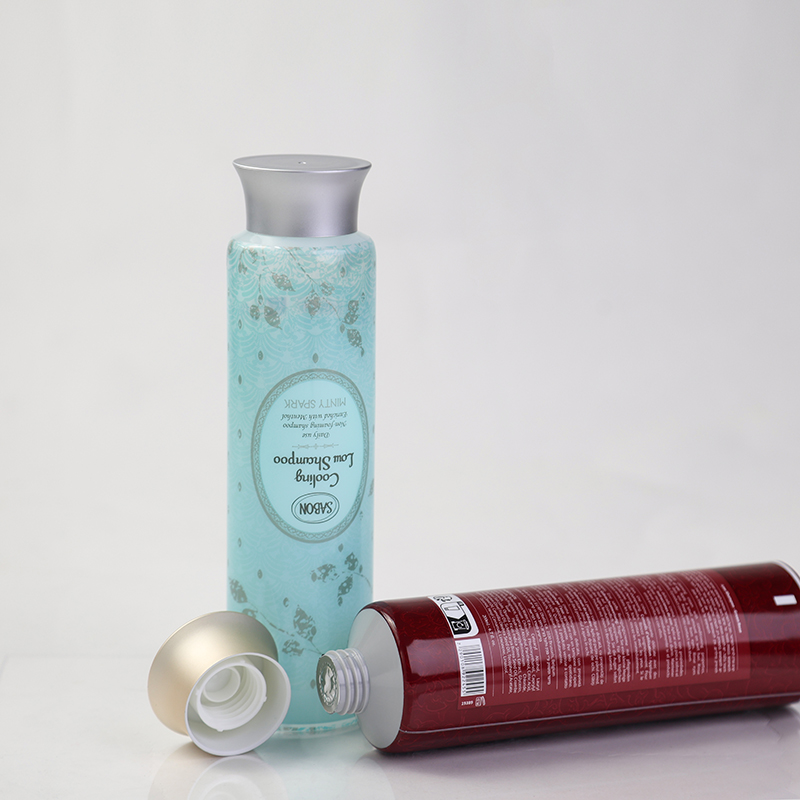
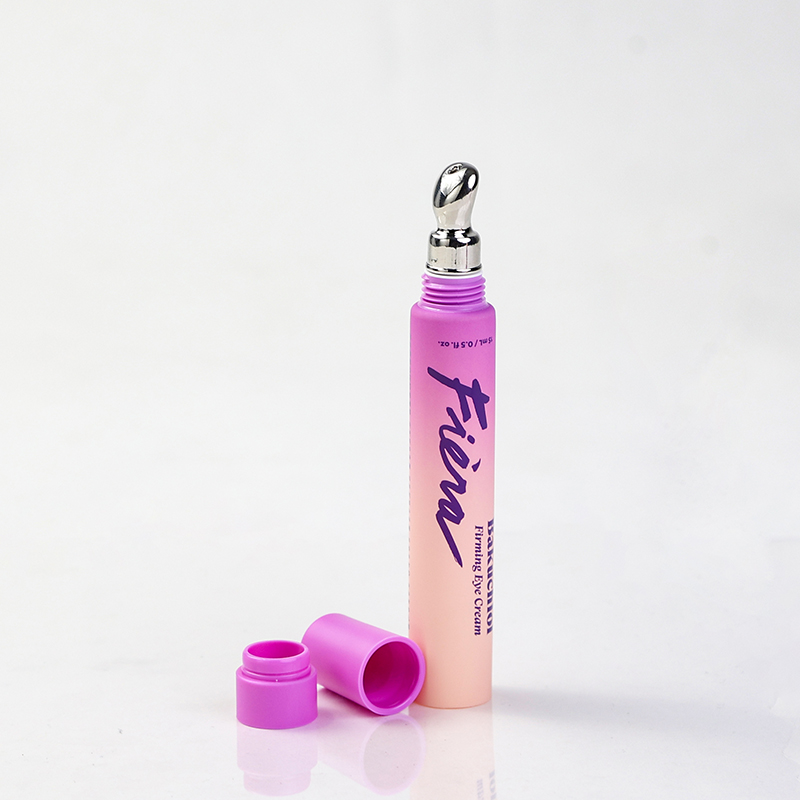
Why “Cosmetic Tube” Is Not a Specification
A buyer once asked us to quote “cosmetic tubes” for a 15% ascorbic acid serum. They had received three quotes, all different, and couldn't understand why. The reason: one supplier quoted a standard PE tube, another quoted PBL, and the third quoted ABL. The formula was the same; the tube grade was not. And only one of those three would still protect the formula after six months on a warehouse shelf.
Here is the matrix we use on the factory floor to match tube grade to formula reality.
The rule we give every buyer: If the formula contains ascorbic acid, retinol, probiotics, or cold-pressed oils, do not start with PE. Start with ABL or a high-barrier PBL, then validate with a stability test in the final pack. If the formula is a rinse-off cleanser or a standard body lotion, PE is not a compromise—it is the correct, cost-effective choice.
Decoration — Where “Premium” Actually Comes From
Printing Is Not the Same as Finishing
A tube can have eight-colour offset printing and still look like a commodity. The difference between “a printed tube” and “a premium cosmetic tube” is usually the finish and the foil, not the ink.
Matte / Soft-Touch Coating: A UV-cured matte lacquer that changes the tactile feel of the tube. This is the single most requested upgrade for premium skincare—it makes the tube feel “expensive” before the customer reads a single word.
Hot Foil Stamping: Metallic gold, silver, or copper accents on logos and borders. Works well on PBL and PE; on ABL, deep embossing combined with hot-stamp can stress the foil layer at the decoration boundary, so we specify a shallower emboss depth or move the hot-stamp to a non-embossed zone.
Silk-Screen for Opacity: When a brand needs a solid white or deep black block of colour on a coloured tube body, silk-screen gives the highest opacity. Offset alone often looks washed out on dark substrates.
Spot UV: Gloss raised elements on a matte background. Used sparingly—too much spot UV reads as “cheap promotional” rather than “premium skincare.”
The factory reality: Decoration complexity is the second most common cause of resampling, after grade selection. If the artwork includes hot-stamp over a heavy emboss, or a matte coating over a large solid dark area, tell us at the sampling stage—not after the artwork is approved.
Formulation Compatibility — What We Test Before You Commit
The “Early C, Late A” Problem
Vitamin C (ascorbic acid) and retinol are the two most common active ingredients that turn a “normal” cosmetic tube into a failed project.
Vitamin C is acidic. At high load (15–20%), it can corrode metallic components and accelerate degradation of certain polymer layers. It is also highly susceptible to oxidation and photodegradation.
Retinol is oxygen- and light-sensitive. It degrades rapidly when exposed to UV or oxygen, and certain plastic layers (especially PE) can adsorb retinol, reducing the effective concentration even if the barrier looks intact.
What we specify for these formulas:
ABL with full foil coverage for absolute light and oxygen blocking.
PBL with EVOH if the brand requires a softer touch or more decoration flexibility, provided the EVOH layer is positioned to avoid direct contact with the formula.
Never standard PE for a 15% vitamin C serum. The OTR is too high; the formula will oxidize before the shelf life ends.
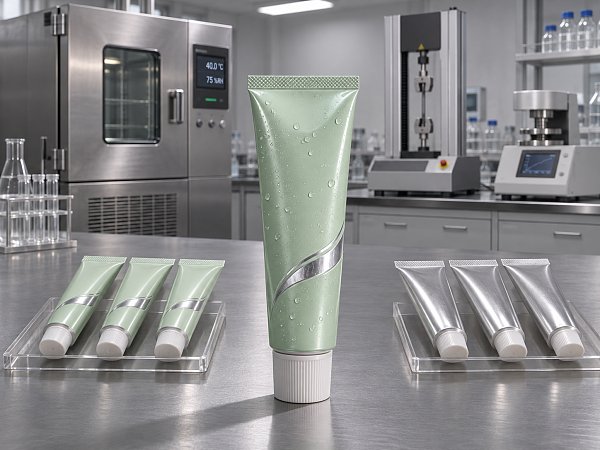
We run a formula-specific compatibility trial: fill your actual bulk into the candidate tube, hold at 40°C/75% RH for 30–60 days, and check for delamination, swelling, colour shift, and active-ingredient loss. This is not a generic “stability test”—it is a packaging-formula interaction test.
Frequently Asked Questions
Q1: We have a vitamin C serum at pH 3.5. Can we use your PBL tube with EVOH?
A: PBL with EVOH is chemically more resistant to low pH than ABL (no aluminum to corrode), but EVOH barrier performance is moisture-dependent. For a pH 3.5 aqueous serum, we would specify a high-barrier PBL with a formula-compatible inner sealant layer, then run a 45-day accelerated compatibility test. If the serum also contains a high load of fragrance or essential oil, we may recommend ABL instead. The decision is formula-driven, not brand-driven.
Q2: Our artwork has hot-stamp over a heavy emboss on an ABL tube. Is that a problem?
A: Potentially, yes. ABL foil can micro-crack at the boundary between a deep emboss and a hot-stamp zone if the emboss depth exceeds roughly 0.3mm. We would recommend either (a) reducing the emboss depth in the hot-stamp area, or (b) moving the decoration to a PBL tube, where the EVOH core handles emboss + hot-stamp without the foil-cracking risk.
Q3: What is the real difference between PE and EVOH co-ex PE for a hand cream?
A: Standard PE has OTR in the 2–5 range and WVTR around 2.5–6. It is perfectly adequate for a hand cream with a 12–18 month shelf life in a temperate market. EVOH co-ex PE improves oxygen barrier to roughly 0.5–2 OTR while keeping the tube predominantly PE for recyclability. For a hand cream that contains 0.5% fragrance and ships to Southeast Asia (high humidity), EVOH co-ex is the safer specification. For a basic body lotion sold domestically, standard PE is the economically correct choice.
Q4: The EU PPWR is coming. Can we just switch to a PCR tube and call it sustainable?
A: No. PPWR compliance requires documented evidence, not just a PCR percentage on a supplier certificate. The regulation requires that recycled content be verified, and that the PCR material be assessed for compatibility with the cosmetic formula, migration, and stability. A PCR tube that passes a generic migration test but fails with your specific formula is not compliant. We supply PCR cosmetic tubes with batch-level traceability and formula-specific migration data.
Q5: Our filling line currently runs PE tubes. What changes if we switch to ABL for a new active serum?
A: The biggest operational change is sealing temperature. PE tubes typically seal at 150–170°C; ABL requires higher temperatures (often 175–195°C) because the inner sealant layer and the aluminum core conduct heat differently. If your sealing jaws are not recalibrated, you will see weak seals, channel leaks, or shoulder distortion. We provide the recommended sealing window for every ABL batch and strongly advise a machine trial before the production run.
 How order quantity affects wholesale toothpaste tube pricing
 What Barrier Data Should Brands Request for Cosmetic Laminates?
") ABL Laminated Tubes: The Complete B2B Selection Guide (2026)
 Navigating Complex Formulations: How Shanghai Pactek Industries Co., Ltd Delivers Reliable Custom Packaging Across Industries
 How to Choose the Right Packaging for Industrial Adhesives and Sealants?
 How Do Sealing Settings Affect ABL Tube Leakage?
 How Does Seal Contamination Cause ABL Tube Leaks?
 How Should ABL Tube Quality Requirements Be Set in a Contract?
 How Long Does a Bulk ABL Tube Order Take?
 Which Tests Check Formula Compatibility With ABL Tubes?
 Soft Laminate ABL Tube with Octagonal Cap for Hand Cream
 Professional PE Squeeze Tubes for Toothpaste & Personal Care — HDPE Extruded Packaging for High-Speed Filling Lines
 Custom Cap ABL Laminated Cosmetic Tube
 New Eye Care Pearl Tube with 3-in-1 Massage Balls
 Professional PE Squeeze Tubes for Toothpaste & Personal Care Packaging
 Smart Co-extrusion Soft Tube with Functional Head
 Diameter 35mm Matt Finish Co-extrusion Tube with Big Flip Top
 Plastic EVOH Extrusion Tube with Oval Flip Cap and Silk-Screen Decoration for Cosmetics
 Customized Long Nozzle Extrusion Tube with Soft-Touch Finish
 Aluminum Plastic Laminate Tube With Twist-Off Nozzle Tip
 Pharmaceutical & Medicated Gel Laminated Tubes
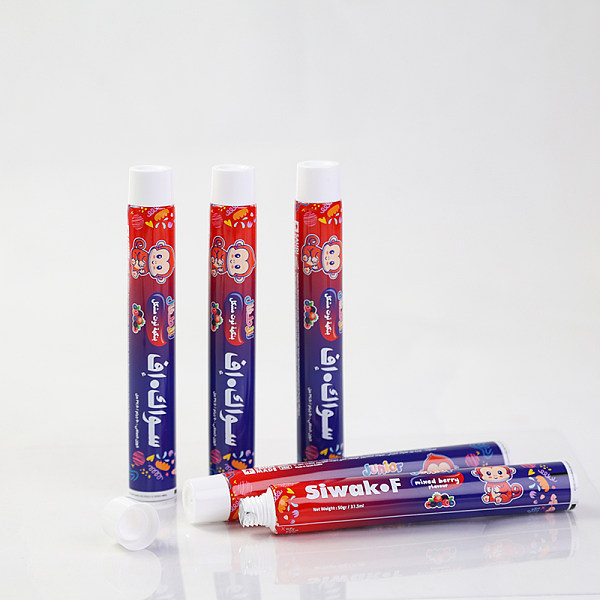
—22mm-Diameter") Laminated Tube (Children's Toothpaste Tube)—22mm-Diameter
Professional Service
Interested? Leave your contact details.
Search Starts Here