
PRODUCTS
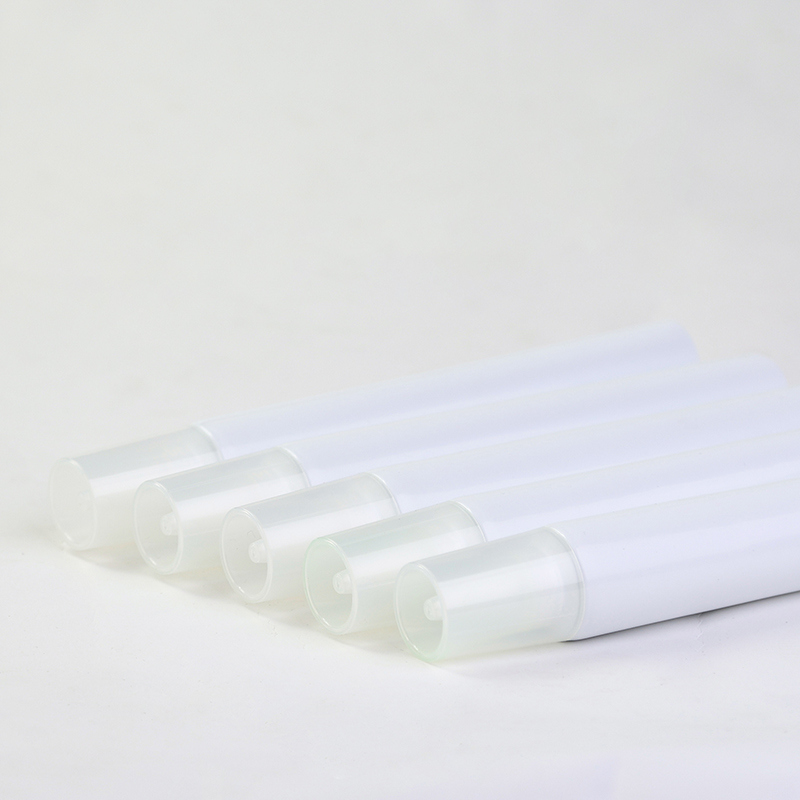
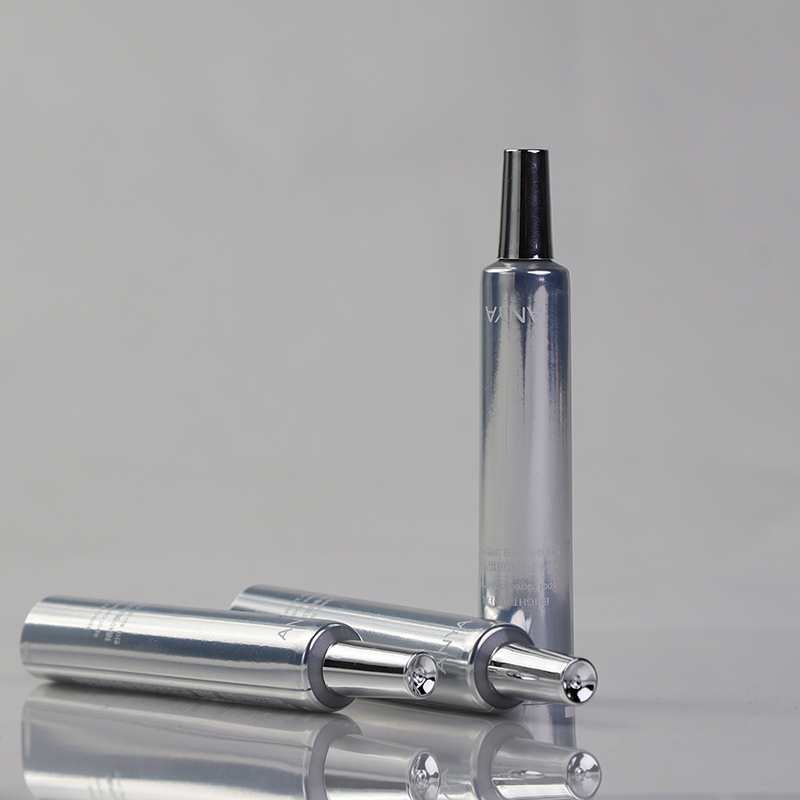
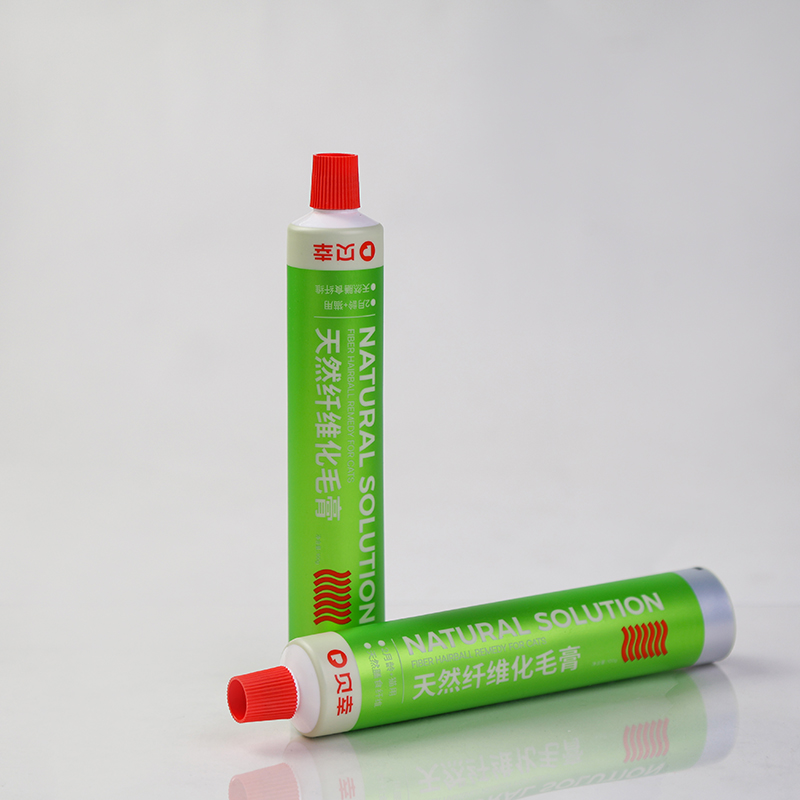
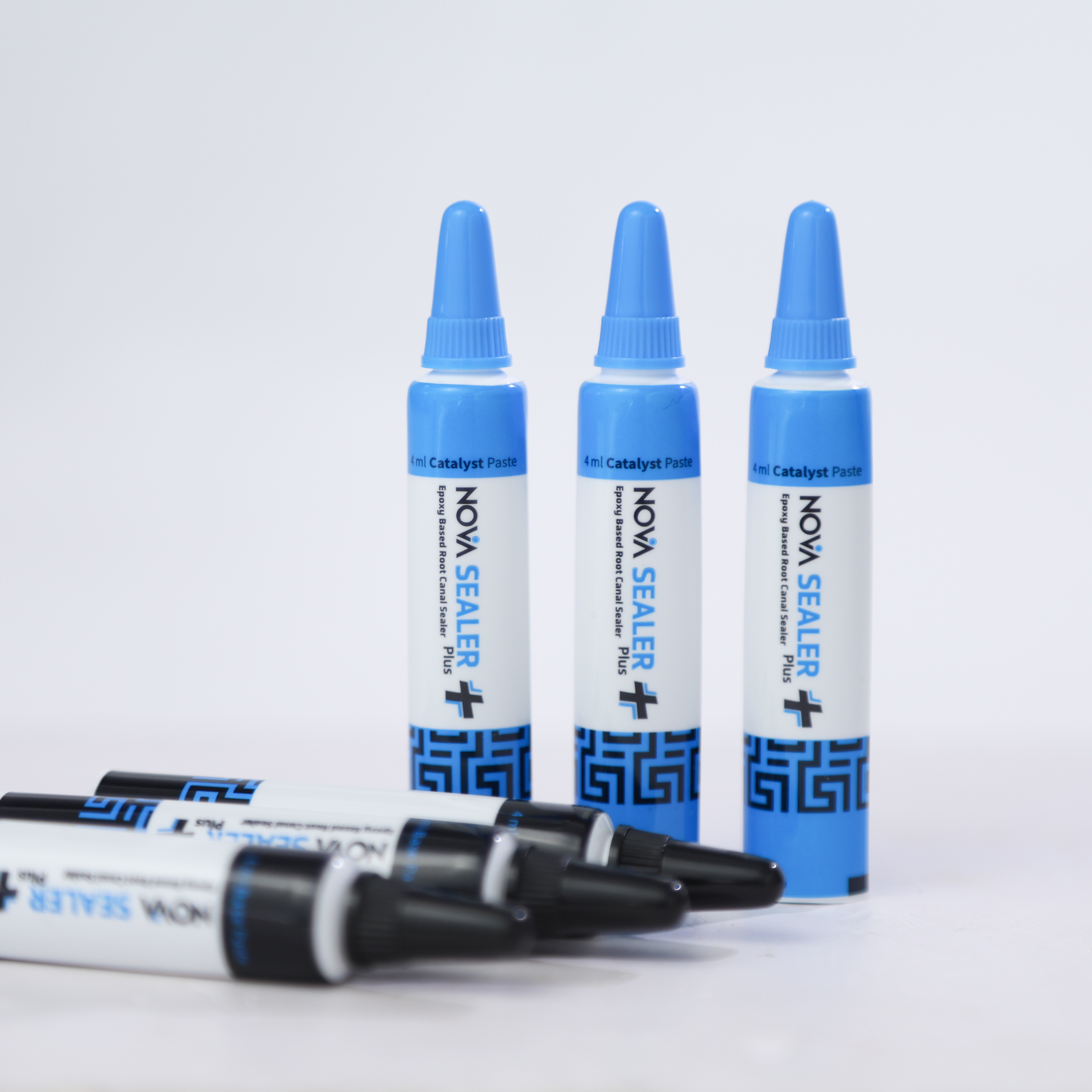
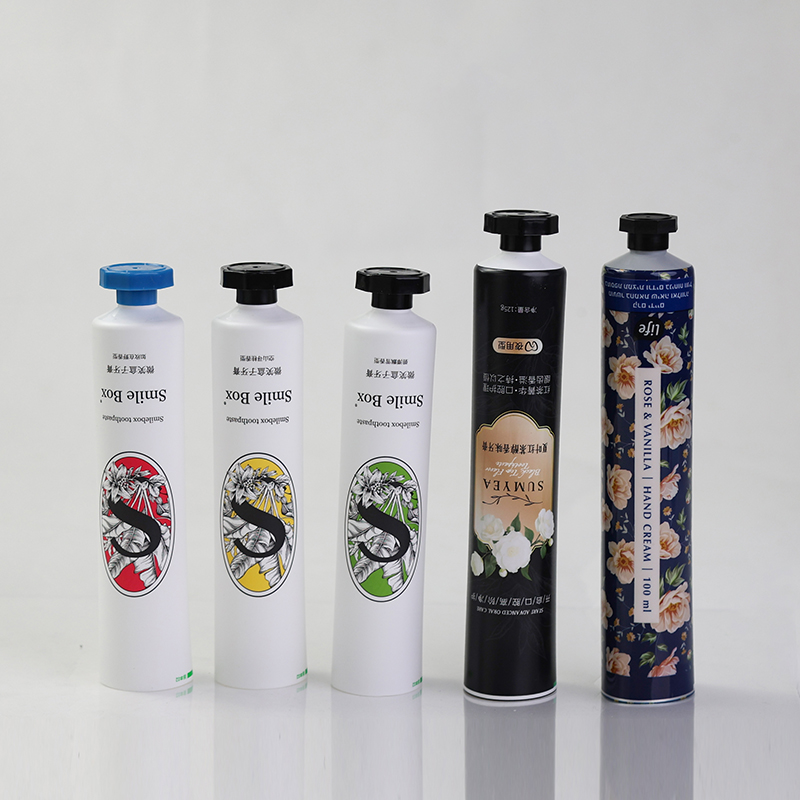
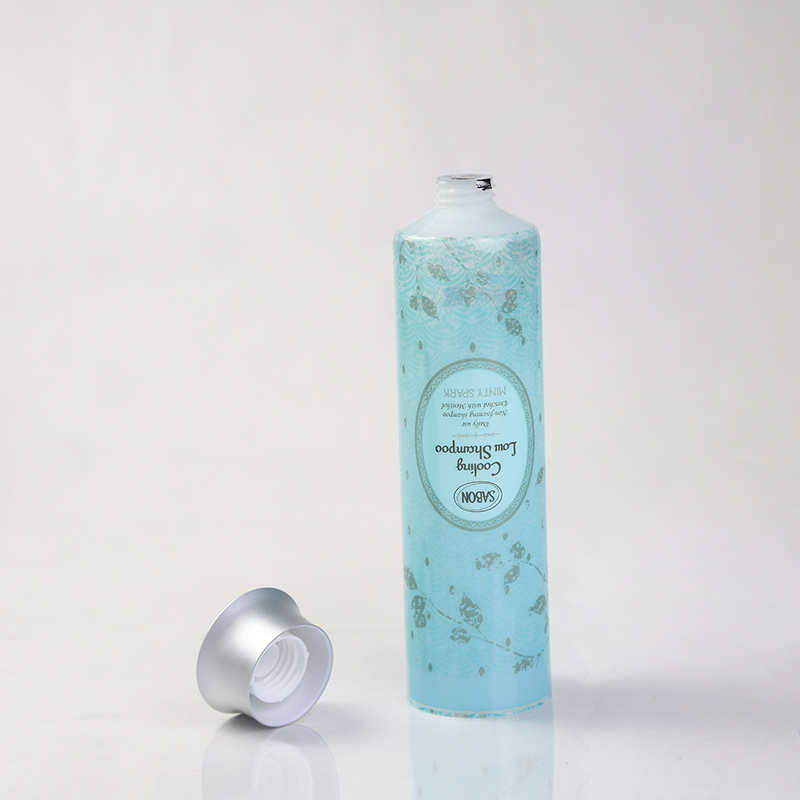
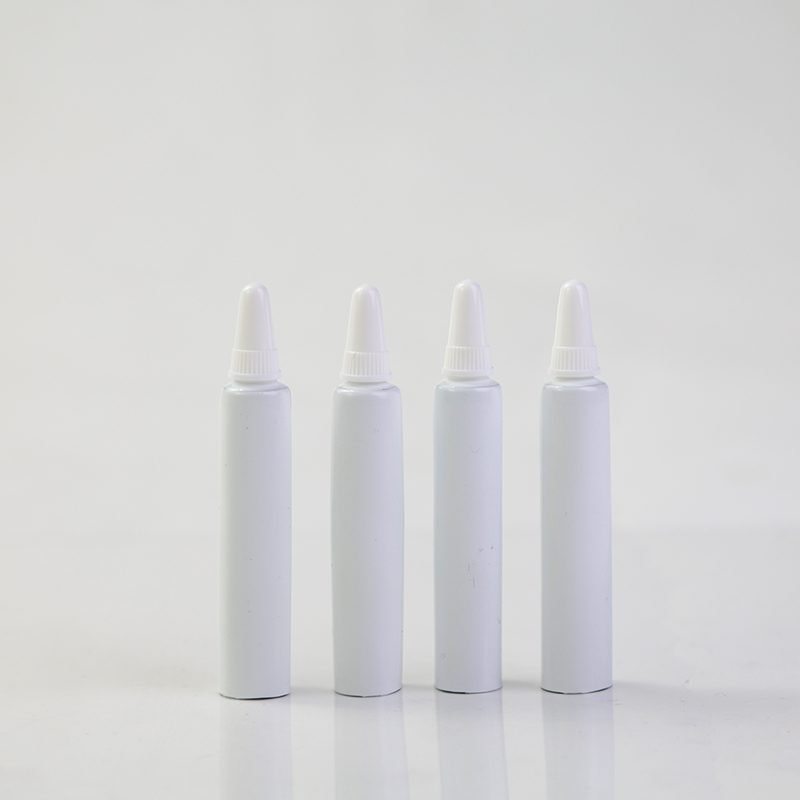
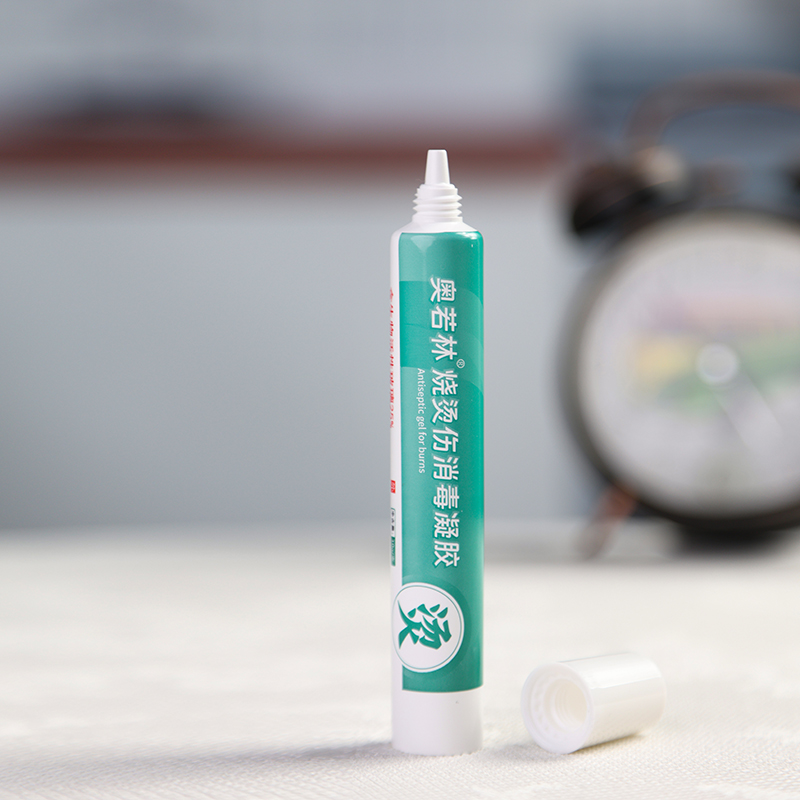
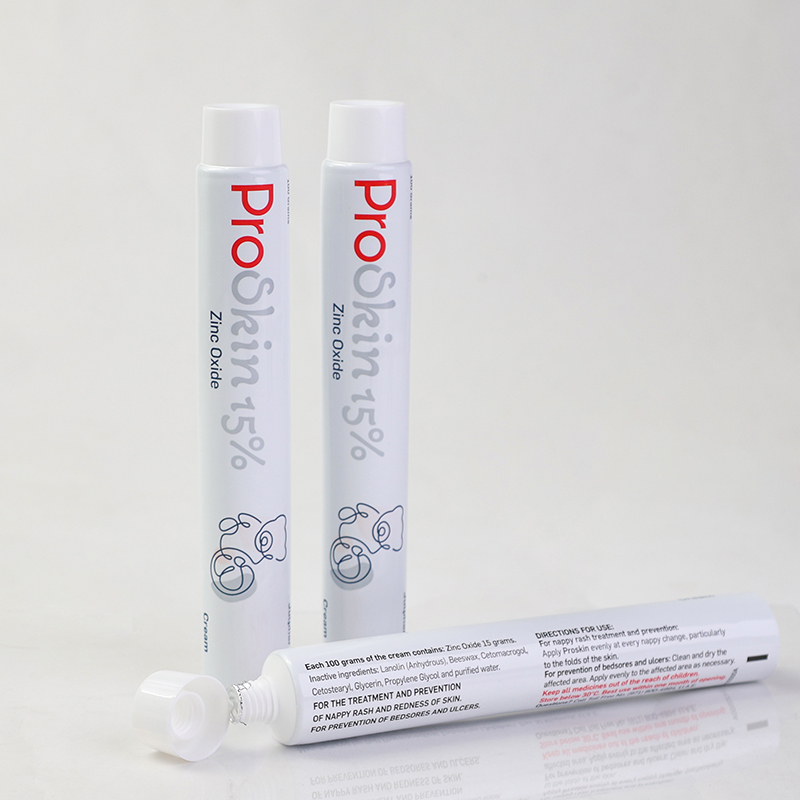
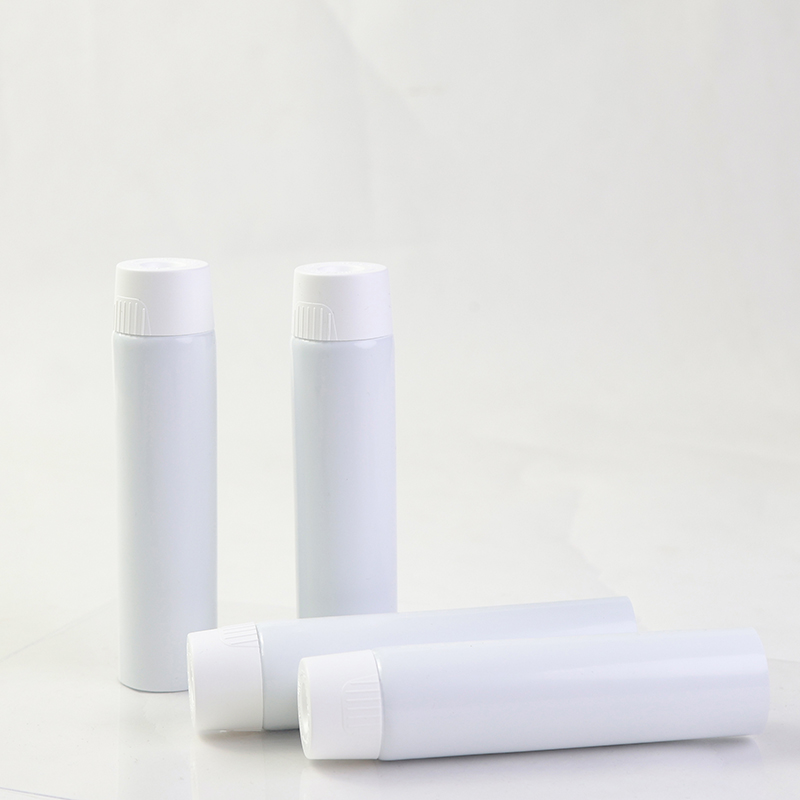
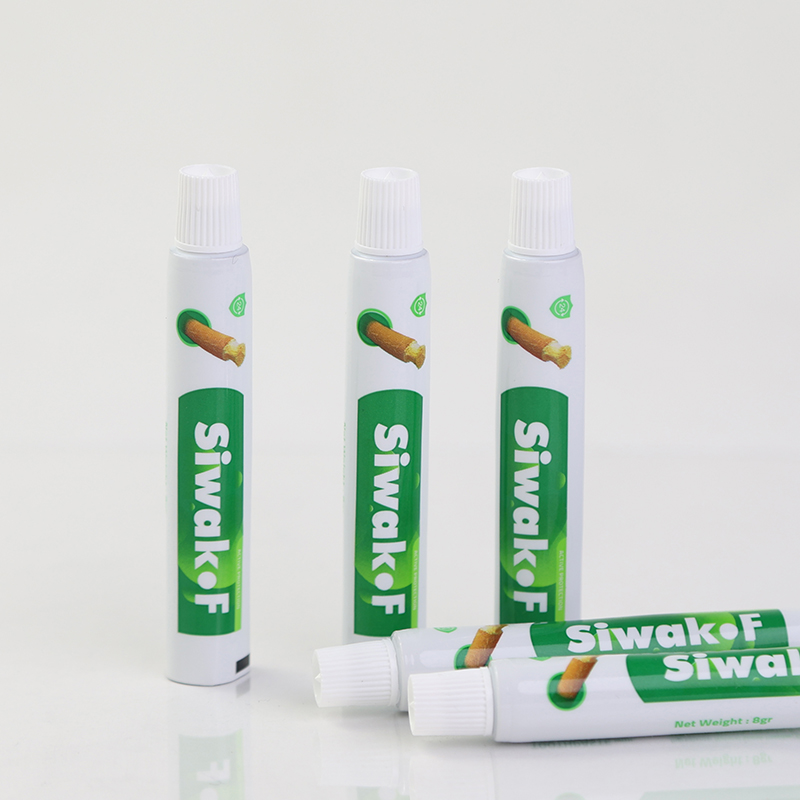
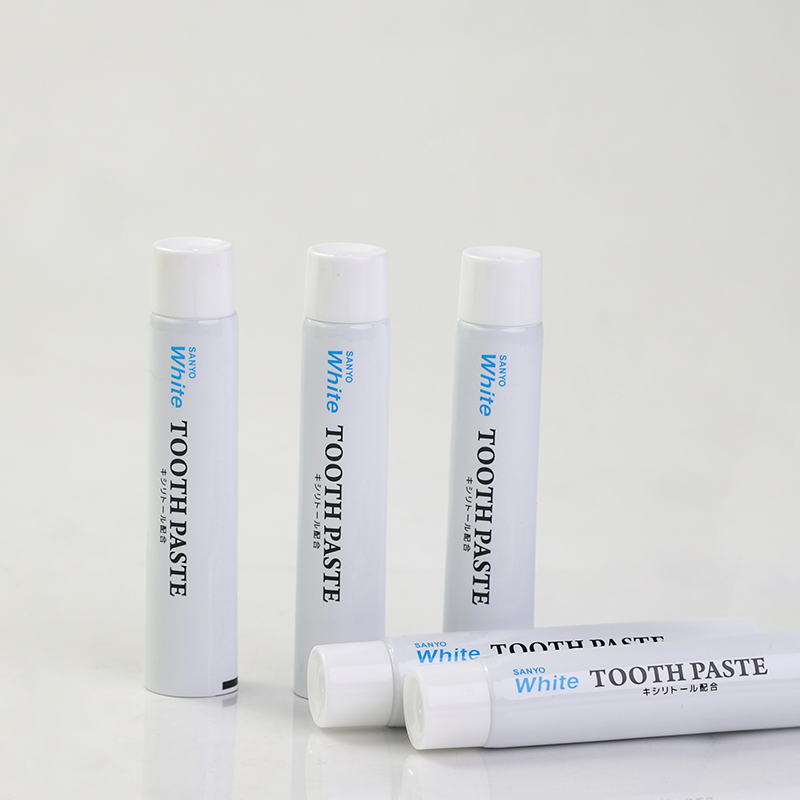
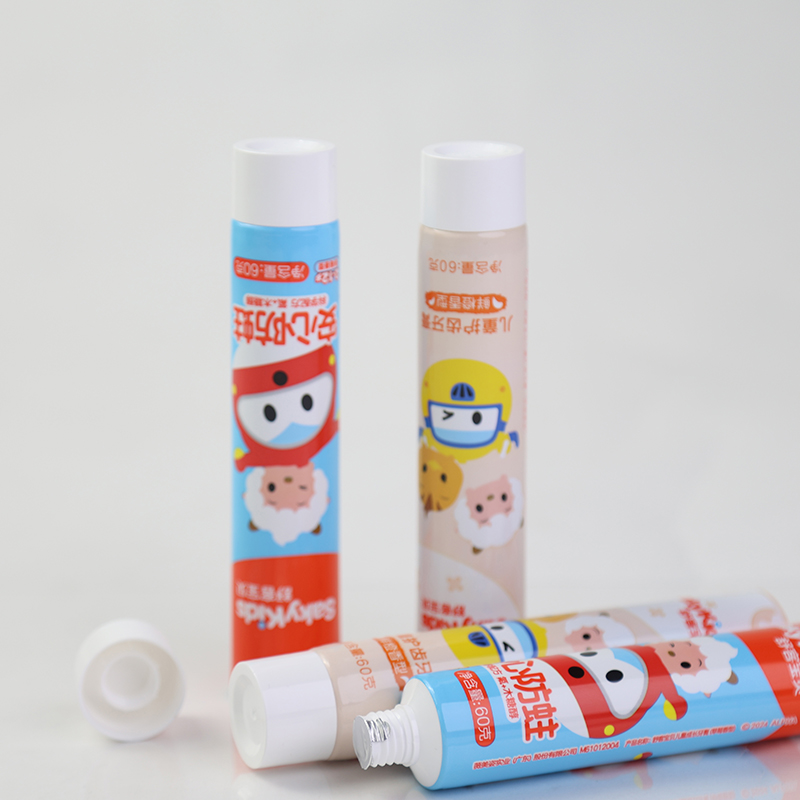
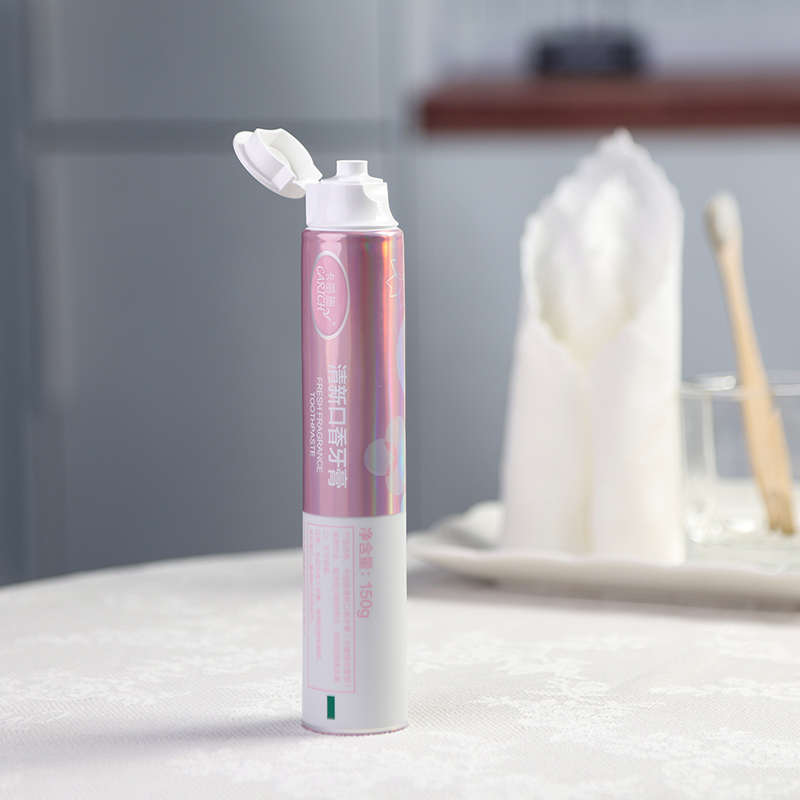
ABL Laminate Tube
If your formula contains water, oils, active ingredients or fragrances that degrade when exposed to air and light, a standard plastic tube will not protect it. An ABL laminate tube does.
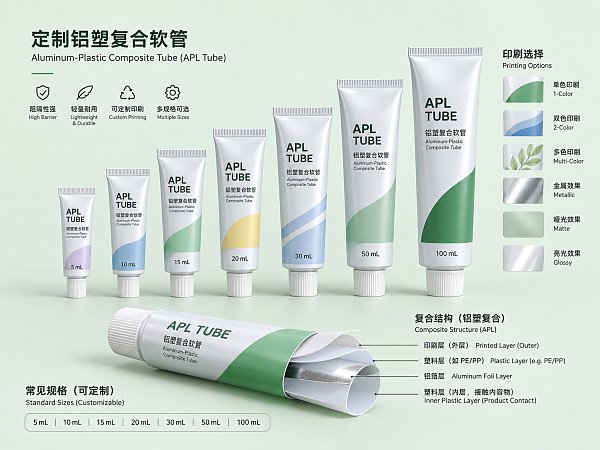
ABL stands for Aluminum Barrier Laminate. A thin layer of aluminum foil is bonded between polyethylene layers, forming a tube wall in which the foil acts as the barrier and the plastic acts as the protective, sealable, product-safe interface. The result is a tube that keeps contents stable for months or years on shelf, dispenses cleanly, and closes flat without springing back.
What Is an ABL Laminate Tube?
Structure of an ABL Tube Wall
An ABL tube is built from multiple layers, each with a distinct job:
The aluminum foil is the reason ABL outperforms ordinary plastic tubes. Where a plain PE tube lets water vapor and oxygen pass through slowly over time, the foil layer reduces that transmission to a negligible level — which is why ABL is the default choice for pharmaceutical ointments, toothpaste and high-value skincare.
ABL vs PBL Tubes — Which One Do You Need?
A Practical Comparison
This is the question most buyers ask first, so we answer it directly.
Rule of thumb: choose ABL when shelf-life protection and light blocking are non-negotiable; choose PBL when you want maximum design flexibility and a simpler recycling profile.
Where ABL Tubes Are Used
Applications by Industry
Closures, Decoration and Finishing
Build the Tube Around Your Product
Technical Specifications
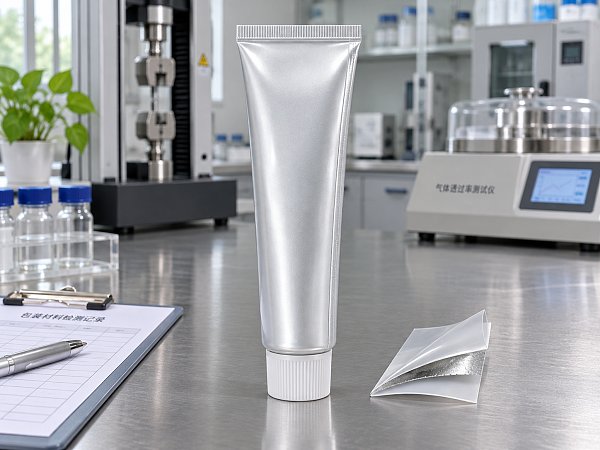
Quality Control for Barrier Tubes
What We Check Before Shipment
Barrier performance is only useful if it is consistent. Our production controls include:
Foil integrity inspection — verifies the aluminum layer has no pinholes or breaks after forming
Delamination testing — confirms the adhesive bond between foil and PE holds through filling and shipping
Seal strength testing — checks tail seal and shoulder seal integrity
Barrier verification — moisture and oxygen transmission measured against agreed specifications
Compatibility trial — sample tubes supplied for your formula stability testing before mass production
Frequently Asked Questions
Q1:What does ABL stand for?
A:ABL means Aluminum Barrier Laminate — a tube structure in which an aluminum foil layer is laminated between polyethylene layers to block moisture, oxygen and light.
Q2:What is the difference between ABL and PBL tubes?
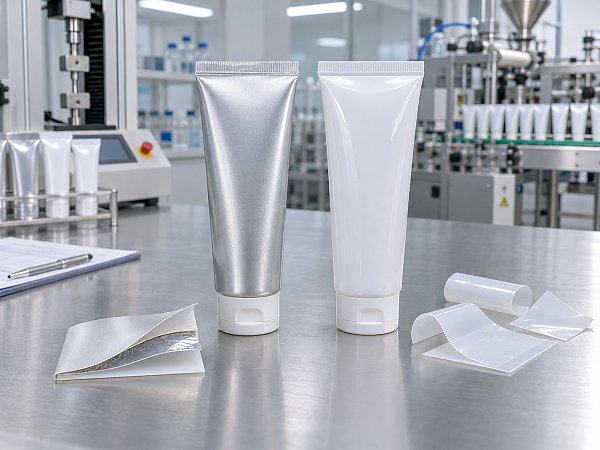
A:ABL uses aluminum foil as the barrier, giving near-total blocking and a dead fold. PBL uses a plastic barrier layer, which is more flexible in design and easier to recycle in some markets, but offers lower barrier performance.
Q3:Are ABL tubes suitable for pharmaceutical packaging?
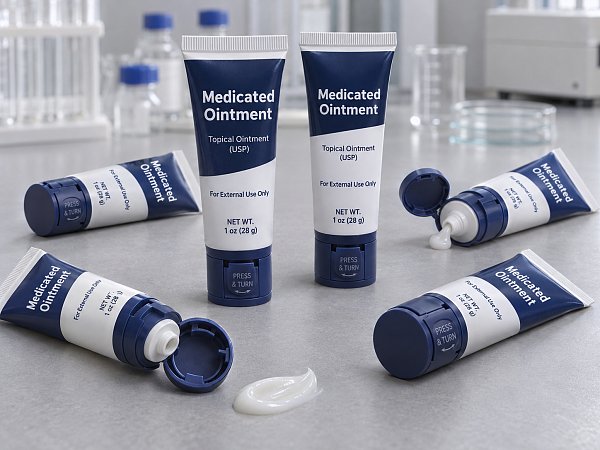
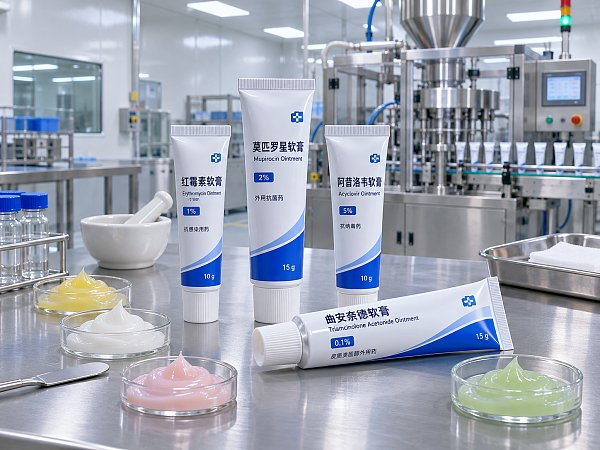
A:Yes. ABL is widely used for ointments, creams and gels because the foil protects active ingredients and the structure supports tamper-evident and child-resistant closures. Pharmaceutical projects should include a compatibility and stability trial before mass production.
Q4:Can ABL tubes be recycled?
A:ABL is a multi-material structure, so recyclability depends on the facilities available in your market. Tell us your target market and we will advise on the current options and on reduced-material or alternative structures where relevant.
Q5:What is the minimum order quantity and lead time?
A:MOQ and lead time depend on diameter, printing complexity and closure type. Send us your target specification and we will confirm both.
Talk to an ABL Tube Specialist
Pactek Industries manufactures ABL laminate tubes for pharmaceutical, cosmetic, oral care and food brands. Send us your formula type, target diameter and market, and we will recommend a structure, supply samples, and quote production.
 How Does RPBL Web Compare With Standard PBL for Recyclability?
 How Do Sealing Settings Affect ABL Tube Leakage?
 How Does Seal Contamination Cause ABL Tube Leaks?
 How Should ABL Tube Quality Requirements Be Set in a Contract?
 Which Tests Check Formula Compatibility With ABL Tubes?
 How Long Does a Bulk ABL Tube Order Take?
 What Is the Minimum Order Quantity for Custom ABL Tubes?
 What Barrier Protection Do ABL Tubes Provide?
 Can ABL Tubes Protect Light-Sensitive Pharmaceutical Creams?
") ABL Laminated Tubes: The Complete B2B Selection Guide (2026)
 Pharmaceutical Laminated Tubes: A Procurement Guide to Barrier, Compliance, and Total Cost
 Child-Resistant Laminated Tubes: What B2B Buyers Need to Verify Before the First PO
 A High-Gloss Laminate Tube That Works as Hard as It Looks
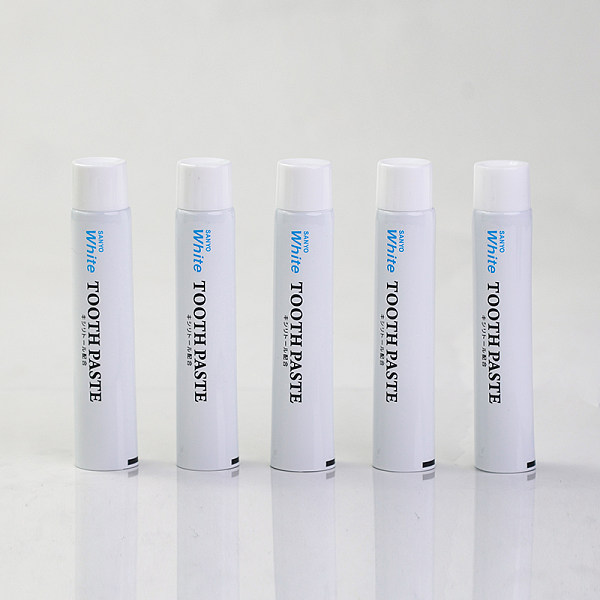
 Professional 12.7mm Laminated Toothpaste Tubes for Travel & Hospitality
 Mini & Travel-Size Composite Tubes
 Aluminum Plastic Laminate Tube With Twist-Off Nozzle Tip
 Pharmaceutical & Medicated Gel Laminated Tubes
 Premium Multi-Layer Laminated Tubes for Pet Hairball Remedies & Functional Gels
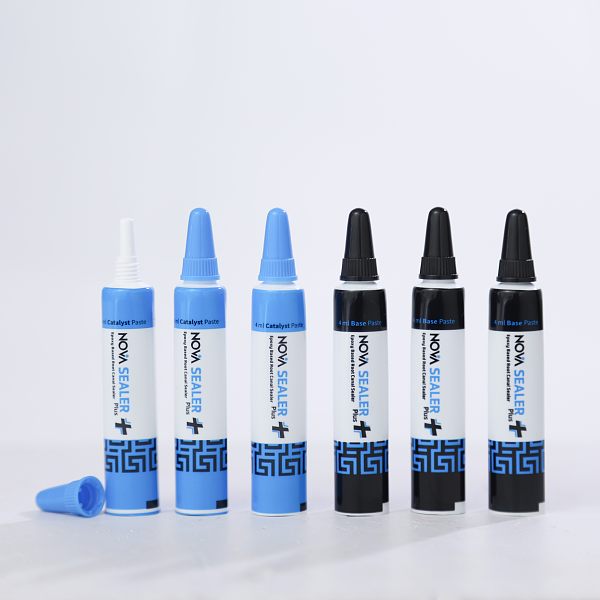
 4ml ABL Precision Nozzle Tube for 2K Adhesives & Catalysts
 Alumi-Plastic Laminate Tube with Screw Cap and Offset-Printed Decoration for Travel-Size Toothpaste
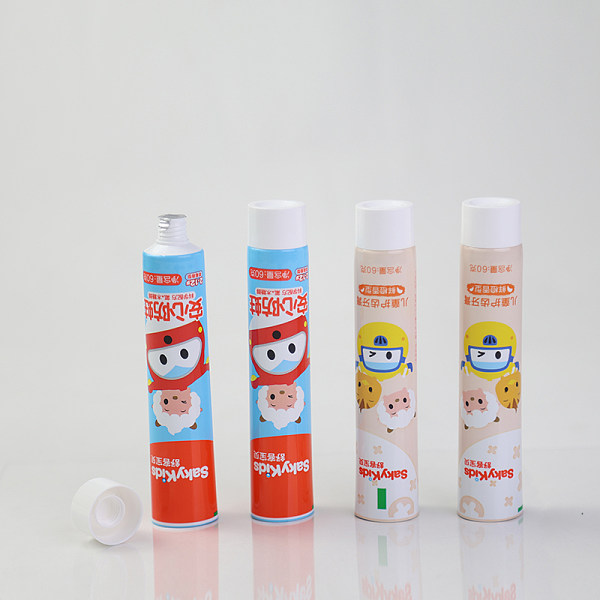
 ABL250/12 White Laminate Tube with Full-Diameter Screw Cap for Kids Toothpaste
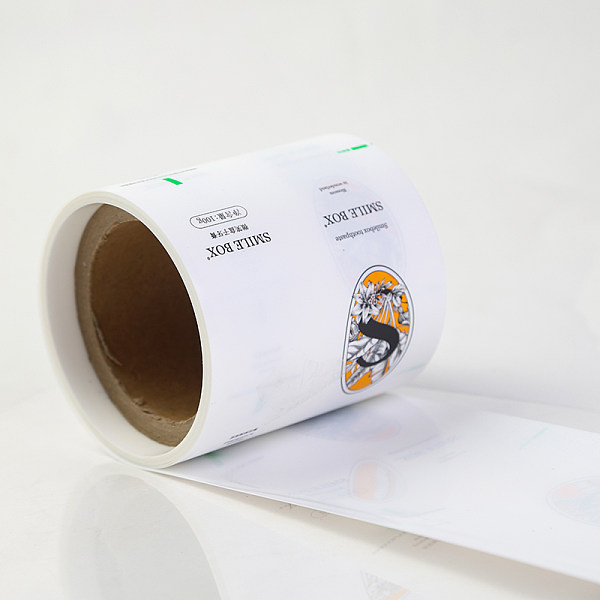
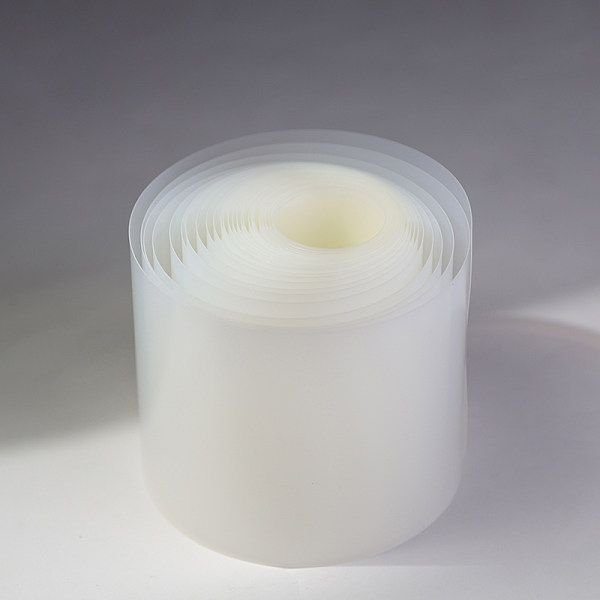
 PBL-White-All-Plastic White Laminate Web-EVOH-Containing, AL-Free Eco-Friendly Substrate
 PBL-Transparent-All-Plastic Transparent Laminate Web-EVOH-Containing Premium Transparent Packaging Substrate
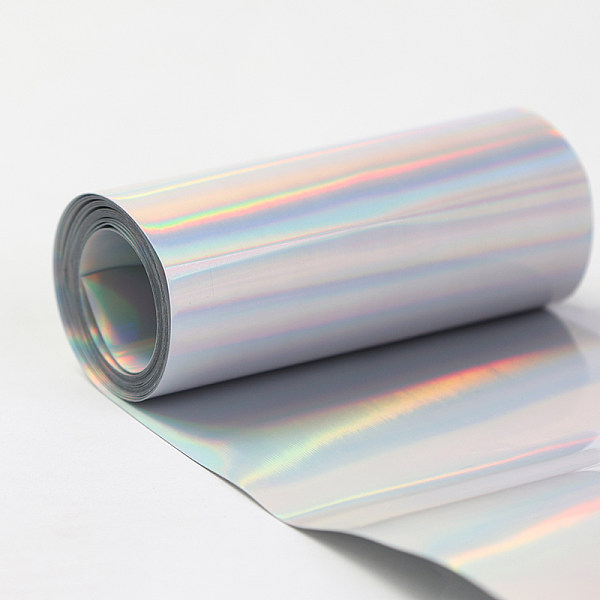
 HAL-Holographic Laminate Web-Dynamic Optical-Effect Premium Packaging Substrate
Professional Service
Interested? Leave your contact details.
Search Starts Here